

The electric era in Houston began in 1882. That year marked the start of serious efforts to establish a central power plant in the city. Of course, residents had seen electric light before, but those were isolated incidents. Power sources were typically limited-capacity systems generated by steam engines. Eventually, as demand for electricity grew, companies began investing in the expansion and modernization of electrical grids, which formed the foundation for the future development of the electrical infrastructure in Houston and the surrounding areas. More details ahead on houstoname.
The Dawn of Energy Independence
Houston and New York were among the first U.S. cities to build central power plants. By 1882, Houston was already quite economically developed. The rapid pace of growth and the swelling population necessitated finding new sources for the much-needed electricity. City officials and businessmen consistently discussed the need for electrification. At their initiative, the Houston Electric Light Co. organization was founded that same year. Houston authorities gladly granted the franchise for the construction and development of the power plant.
But agreeing in principle is one thing; bringing the vision to life is another. Electric power was superior to other known energy sources at the time. Not only entrepreneurs but also ordinary Houston residents were already convinced of its efficiency and benefits. Street lighting after dark not only boosted comfort but also drastically reduced criminal activity. However, the new energy source was still being rolled out. Houston faced a dilemma: should they generate electricity from steam, oil, natural gas, coal, or use hydropower? Resolving this question took almost an entire decade. Ultimately, the first method of energy generation was a hydroelectric power plant.
The Buzz Around New Power
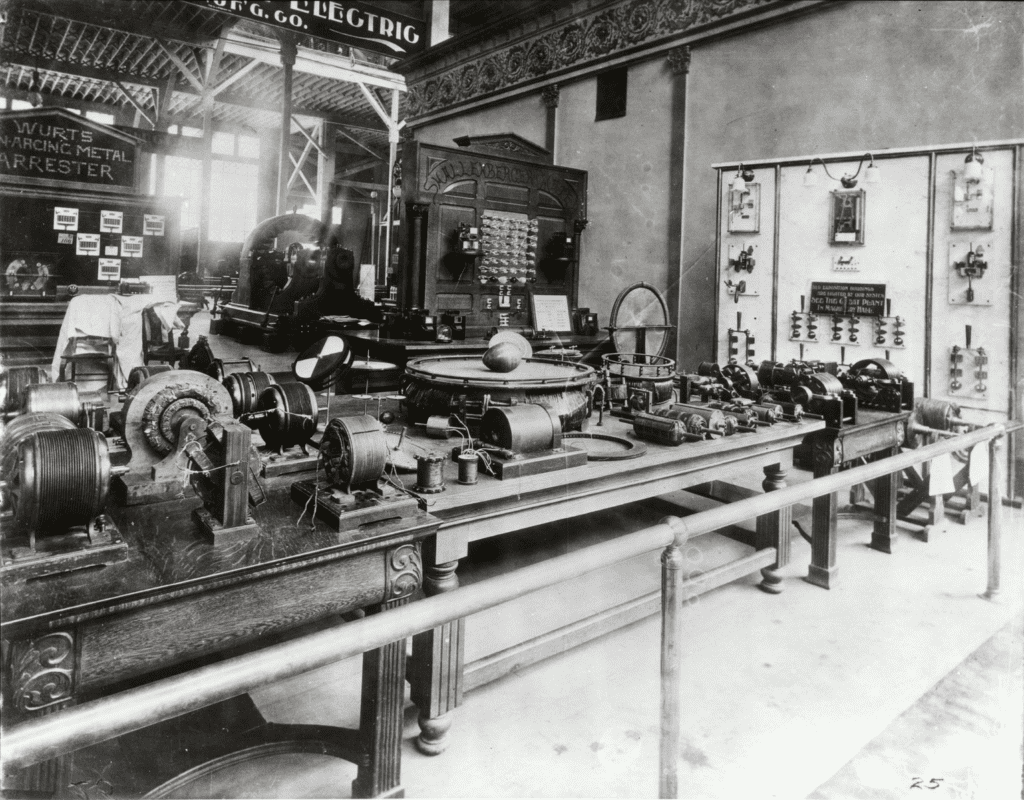
In 1883, the first power station on the Buffalo Bayou River near Houston, in Galveston, was constructed. Initially, it produced a small amount of electrical energy used primarily for street lighting. Citizens quickly saw the advantage: unlike kerosene lighting, which often caused fires that wiped out entire blocks, electric light was brighter and safer. It’s no surprise that many residents wanted this lighting in their homes. Demand quickly outstripped the hydroelectric plant’s generating capacity. The Houston Electric Light Co. began searching for ways to increase power production.
Fortunately, the trend for electricity was sweeping the globe. As a result, the world’s brightest minds were involved in the effort, refining energy-producing mechanisms and diversifying generation methods. The owners of the Houston Electric Company kept their fingers on the pulse of every innovation in the industry. They had already seen the major financial benefit from the new power source, so the corporation spared no effort or expense in expanding capacity. The number of people eager to get connected also grew exponentially year after year. The actual power plant in Houston proper appeared in 1892.
The 20th Century: An Energy Breakthrough
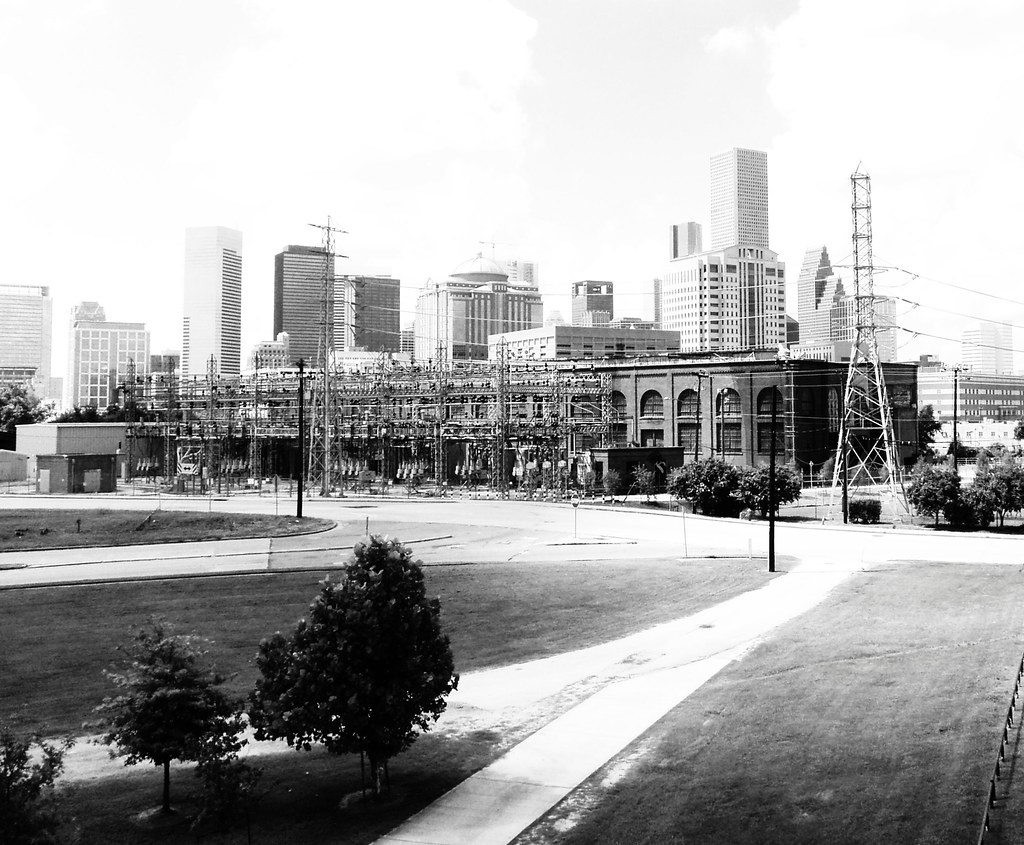
The start of the new century ushered in the era of electricity, which developed at a breakneck pace everywhere. With Houston’s population growth and a significant increase in electricity needs, the Houston power plant was constantly expanded and modernized. The Houston Electric Company was renamed Houston Electric Light & Power. It firmly established its position in the market, becoming a monopoly in the sector for decades.
In the early 1930s, turbine generators were invented. These significantly increased the volume of electricity produced. Lit streets, new types of electrical appliances that improved daily life, and the development of television became an integral part of Houstonians’ lives. This created unprecedented comfort and convenience in the homes of ordinary residents, all made possible by electricity.
At the same time, the first environmental protests began. Industrial electricity production inevitably had a negative impact on the environment. Eco-activists foresaw the consequences even then, and protests were not uncommon. However, the Houston authorities and residents had grown accustomed to the comfort provided by the new energy. As a result, these protests and picket lines typically ended without any change.
The Energy Crisis of the ’70s
The idyllic period was disrupted, surprisingly, by the war in Israel. The Yom Kippur War compelled OPEC to impose an oil embargo on the U.S. This led to a significant surge in the prices of oil and energy resources. The crisis did not spare Houston, where electricity consumption costs increased manifold. This caused power outages, which had an especially negative impact on industry.
The instability of the power supply also created problems for the general population. People were so accustomed to the comfort and convenience provided by electricity that this disruption to their normal way of life was unacceptable. Residents across American cities began widespread protests. This situation was also unfavorable for the companies generating the electricity. However, no one could quickly solve the new problem.
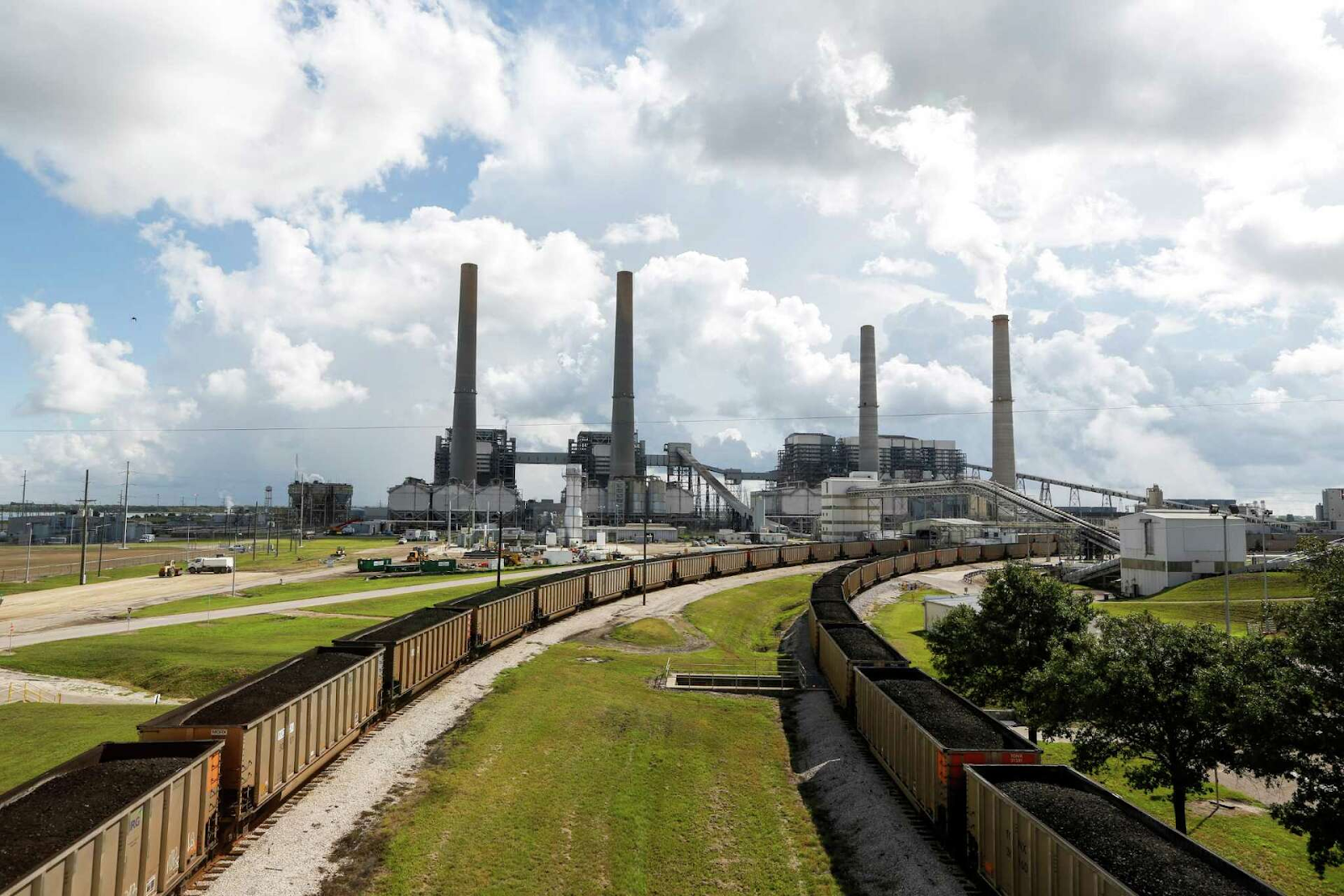
The exit from the crisis was prolonged and painful. In addition to a significant increase in electricity bills, restrictions were implemented. Power shutdowns were even practiced. Yet, besides the negative consequences of the energy crisis, there were positive changes. Companies began actively seeking alternative energy sources to reduce their dependence on oil. The use of natural gas and coal increased. The development and implementation of nuclear energy began to accelerate. The growth of renewable energy sources, such as solar and wind power, also began, although they did not yet play a significant role.
Sole Leadership
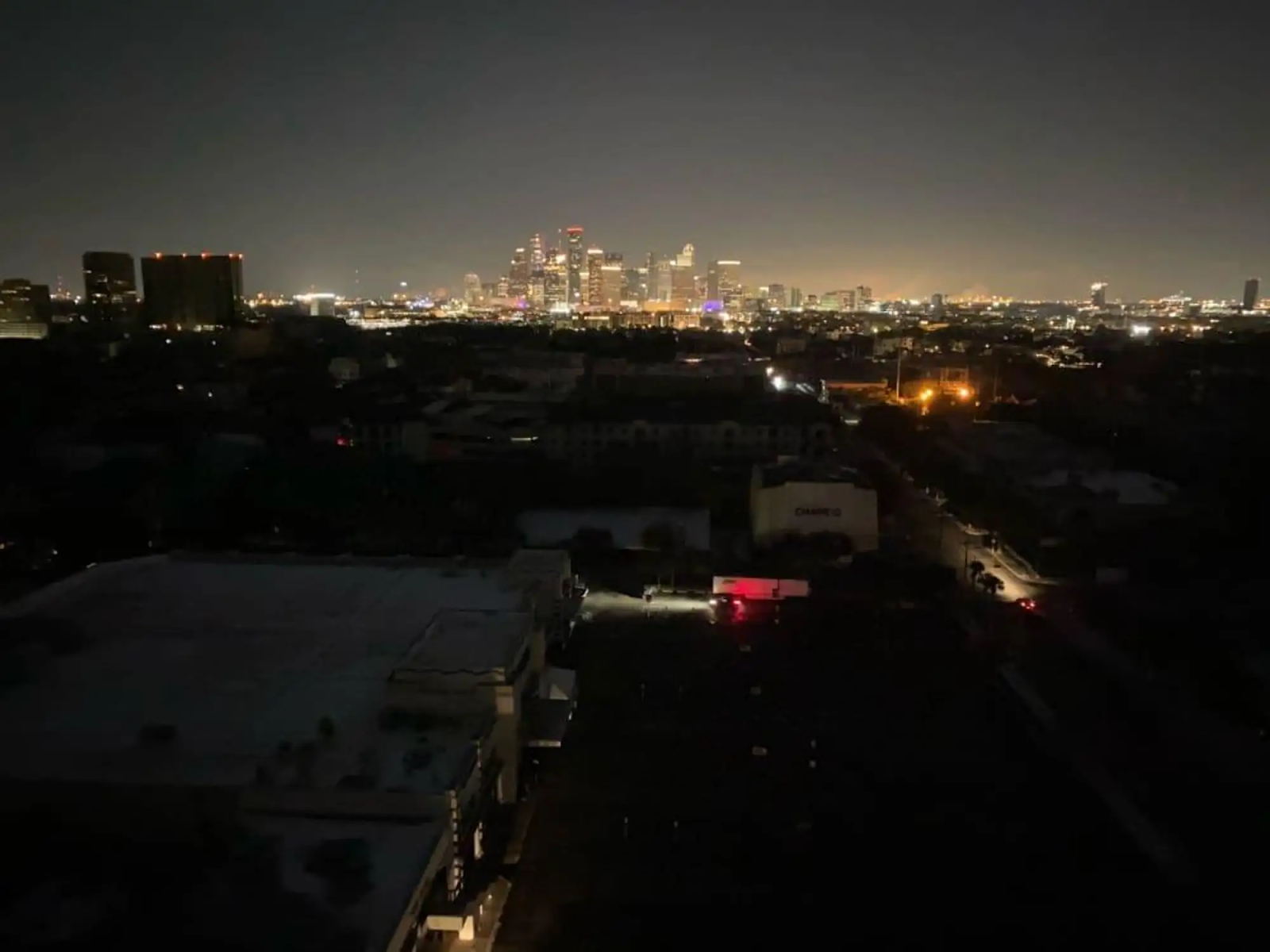
Houston’s power plant remained the city’s sole electricity supplier for a century. It wasn’t until 1999 that antitrust changes were introduced to the legislation, allowing other companies to enter the market. Since then, Houston residents have had the right to choose their service provider. Along with the law, the ownership of the power plant also changed. The Houston Electric Light & Power company was divided into several smaller entities.
Over its century-long history, the power plant’s role in the establishment and development of Houston cannot be overstated. Here are just a few facts:
- At its peak, the power plant could generate tens of thousands of kW of electricity.
- Thanks to electrification, Houston’s population grew from approximately 30,000 in 1900 to over 500,000 by 1950.
- As of 2025, the station continues to supply electricity to the city’s leading enterprises and nearly 2 million Houston residents.
- The power plant owners were the first in the region to begin developing alternative energy sources.
- The power plant is one of the largest taxpayers in the region.
Despite the presence of other electricity-generating companies in the city, the Houston Power Plant was the first of its kind in the area. It became a symbol of stable regional development and a benchmark for citizen prosperity.