

When a heat dome settled over Texas in June 2023, bringing with it severe heat and humidity, high-temperature records were broken throughout the state. The hottest day then nearly surpassed the record temperature set in August 1936. According to meteorologists, the only places where it was hotter were the Sahara Desert and the Persian Gulf region. The state’s electricity grid becomes more flexible and reliable with the use of alternative energy. Read more about how Texas became America’s clean energy center at houstoname.
What role do solar and wind energy play during the summer?
Alternative energy sources were employed long before the end of the nineteenth and beginning of the twentieth centuries when people began to use coal, natural gas and oil. People used solar energy to manage the temperature in their homes. Solar energy supports photosynthesis in plants, which are then fed by animals, and therefore solar energy is responsible for the planet’s food supply.
In the eighteenth century, scientists began studying solar energy for a wider application. Their primary discovery was the photoelectric effect, which is the capacity to transform solar energy into electrical energy. This phenomenon occurs when sunlight hits semiconductors. These are substances that are poor electrical conductors in their natural state but perform admirably when exposed to heat or light. One example of such a semiconductor is silicon. This breakthrough enabled the development of powerful solar panels in the 20th century.
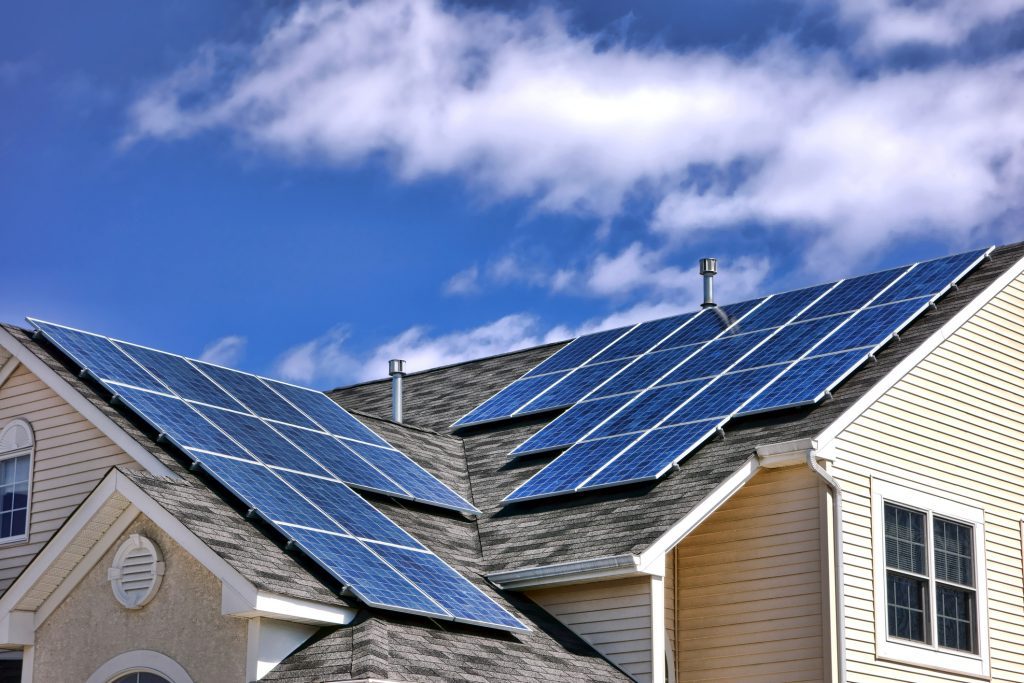
People have been using wind and sun energy for a long time. The earliest application of wind power occurred on sailing boats. Ancient civilizations also employed wind to mill grain and pump water. While wind power presents several issues, such as discontinuity, it remains a crucial chapter in US history.
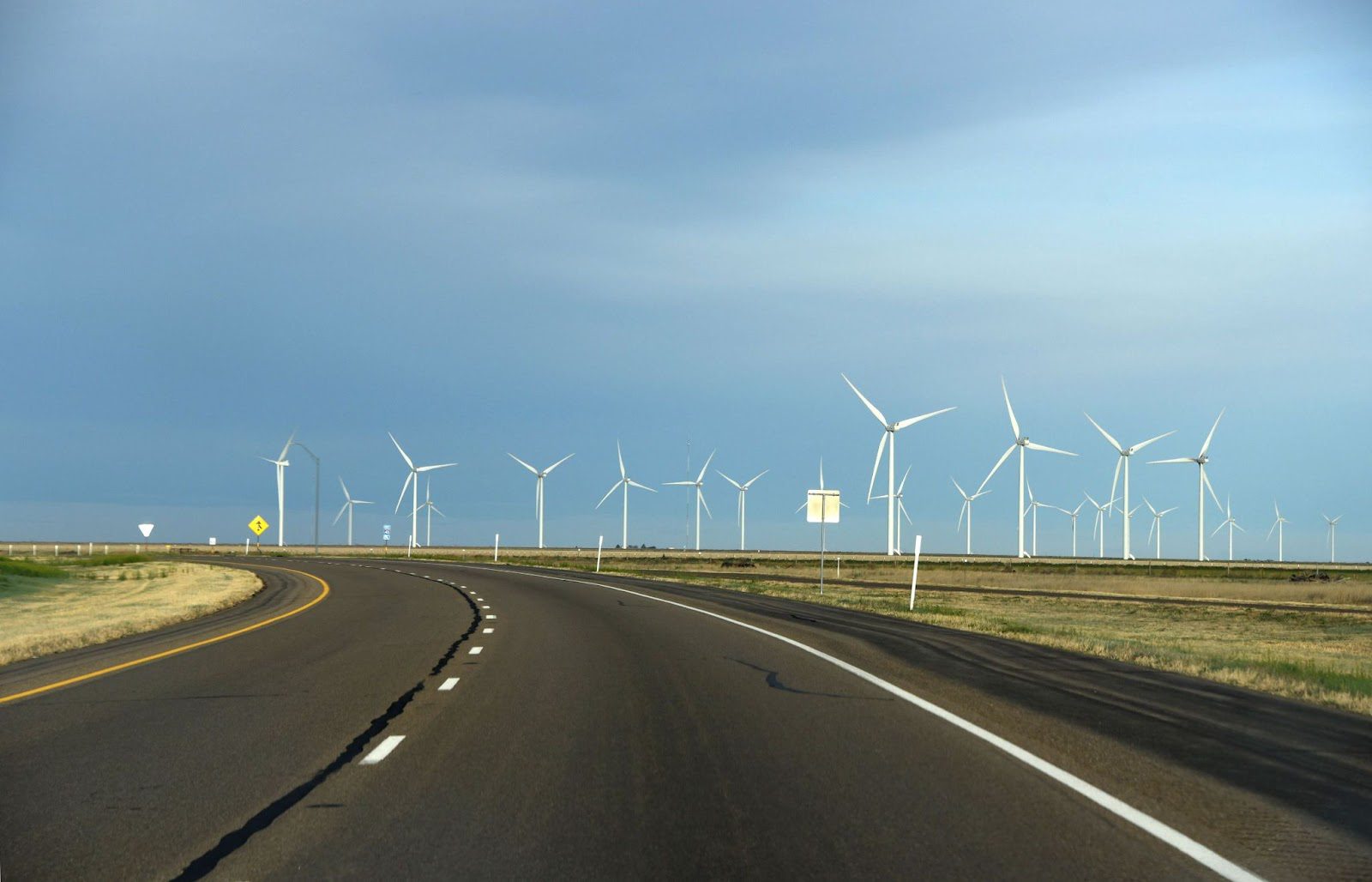
Solar and wind power plants create electricity from renewable sources, which helps to compensate for the megawatts lost in autonomous installations powered by natural gas or coal. Wind and sun offer a significant buffer, and even if numerous power plants are shut down, this does not result in breakdowns. This is how Texans made it through the heat wave in June 2023.
By its own experience, Texas has proved to other states that only a combination of different kinds of energy may save human lives during severe weather. In this instance, people will always have access to the necessary things like heat, light and water.
In 2020, Texas became the leading U.S. state in terms of wind power and the second greatest in terms of solar energy behind California. It also outperformed other states in terms of new solar and wind power plants, as well as regards the third element of renewable energy essentials, battery storage. Truck-sized batteries that activate when power plants “sputter” are perfect for utilizing wind and solar electricity, and they play an important role in averting power disruptions throughout Texas.
How did Texas become a leader in renewable energy?
Texas’ energy industry is mostly linked with drilling rigs and natural gas wells. However, thanks to federal tax breaks and the regulatory climate in Texas, developers have discovered a favorable setting for constructing wind and solar power plants.
Water and homes in the state were effectively heated with regulated solar energy as early as 1882, and active solar heating of homes emerged during the twentieth century. During the 1920s and 1930s, the state’s solar residences featured glass verandas to capture the heat of the winter sun and flat plate collectors to warm water. Solar energy was also utilized to dry agricultural grain.
The first large-scale solar-powered heating and cooling system in the state was developed in 1977 at Trinity University (San Antonio). Later, Texas Tech University designed a bowl-shaped reflector with a linear energy receiver for a high turbine. This turbine, along with diesel generators, provided electricity to the city. It became the first medium-sized solar power plant in the United States.
In terms of wind energy, the Alternative Energy Institute (AEI) was founded in Texas in 1977 and has since been the state’s primary source of knowledge on the subject. In 1999, the first 80-meter tower was constructed at Big Spring.
Wind resources, land availability, government renewable energy goals, the economic efficiency of wind power construction and operation and the accompanying power grid all helped to drive the increasing use of wind power in Texas. In 2012, the state already had more than 10,700 wind turbines that generated electricity.
Wind power generates business relationships between land owners and wind farm operators. Texas farmers can earn extra money by renting out their land to windmill developers. This creates a new source of income while preserving traditional farming and grazing. Although lease agreements vary significantly, in 2004, the US Government Accountability Office reported that a farmer renting out land earns $3,000 to $5,000 per turbine per year.
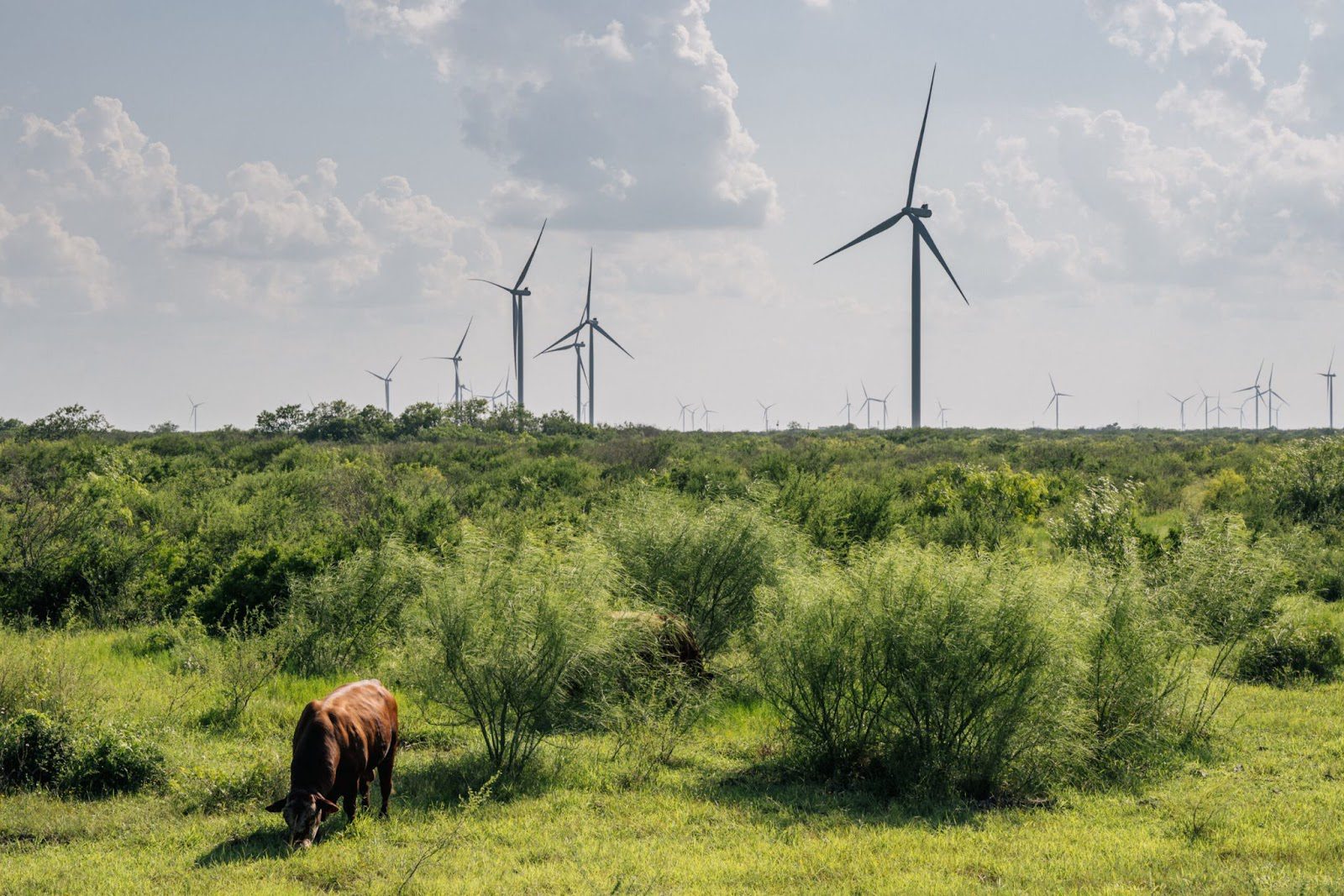
Wind and solar power plants in Texas do not require water cooling, which is an appealing benefit given the state’s persistent shortage of water. Furthermore, consumers are turning to renewable energy due to its low cost.
Political opponents of the green revolution
Many Republican lawmakers who currently dominate the Texas government (as of 2023) have long opposed wind and solar power, believing it to be unreliable when compared to fossil-fuel power resources. Additionally, oil and gas production is a significant source of tax revenues for the state, as well as political funding.
At the beginning of the twenty-first century, conservatives were the ones to create the conditions for Texas to become the center for sustainable energy. Governor George W. Bush deregulated the state’s energy market in 1999 and advocated for the production of 2,000 megawatts of renewable energy over the next decade. Also, his successor, Rick Perry, supported a multibillion-dollar project to build power lines from windy, sunny West Texas.
Are the sun and wind reliable sources of energy?
No power source is 100% reliable. However, the most serious power outages in Texas during the summer of 2023 were caused by the supposedly most reliable fossil fuel plants.
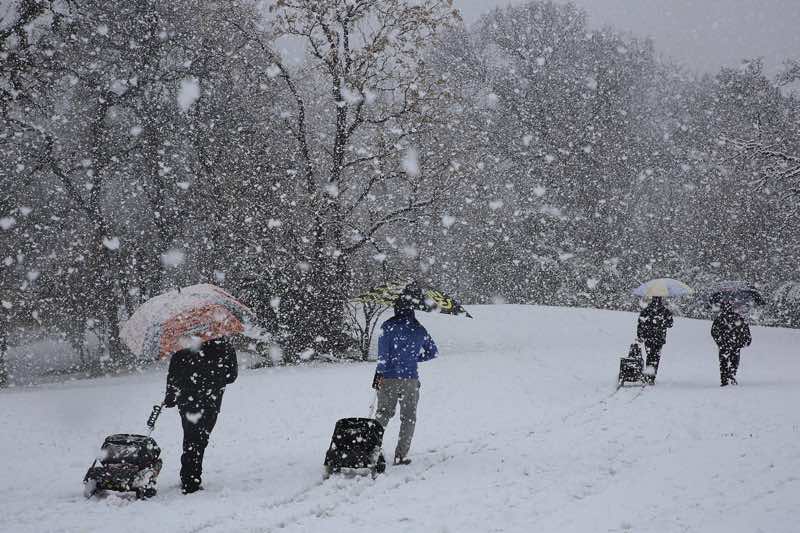
Some Republican lawmakers have stubbornly persuaded the political community that the wind and sun are unreliable. At the same time, during Winter Storm Uri in February 2021, which resulted in the deaths of hundreds of people and massive de-energization, it were gas, coal and nuclear power plants that stopped working, and not wind or solar ones.
According to Doug Lewin, founder of the consulting firm Stoic Energy, renewable energy was a lifesaver for the Texas system at the time, as some of the older thermal power facilities that ran on coal, natural gas and a nuclear power plant collapsed during the summer.