

Buffalo Bayou Park, which stretches from Shepherd Drive to Sabine Street, boasts over 65 hectares of magnificent and panoramic views, as well as great hiking and cycling trails and outdoor recreation activities. During the summer, visitors may enjoy the lush greenery, play golf, walk their dogs in a special mini-park and have fun sailing canoes and kayaks, among other activities. Learn more about Houston’s green paradise at houstoname.
History of the park
In the early 1800s, Spaniards settled in what is now Houston, creating settlements along the Buffalo Bayou River. The reservoir provided a source of fresh water and an easily navigable route. In 1836, the river became part of Texas history during the Battle of San Jacinto. The decisive battle of the Texas Revolution took place near the meeting point of the San Jacinto and Buffalo Bayou rivers.
After Texas obtained independence, new settlements and enterprises arose along Buffalo Bay. The eastern shore became home to various ship docks that provided access to the Gulf of Mexico. In the early 1900s, the area surrounding the river was designated as a public green space. During the early part of the twentieth century, the city obtained land plots around Buffalo Bay as gifts or purchased them with the intention of creating a park. The river flows slowly through downtown Houston, beginning at the Addix and Barker reservoirs.
When the number of structures on the future park’s territory increased dramatically, the area was divided into small parks, roadways, public spaces and an interstate highway. Finally, the appearance of several highways in the North and South made it difficult for pedestrians to enter the park.
Due to recurrent flooding in the 1950s, the Army Corps of Engineers was compelled to sweep the river’s banks of vegetation and level them. This allowed floodwater to flow more easily, but drainage did not improve due to a lack of trees. The density of bushes blocked the passage of water.
In the 1970s and 1980s, near the tributary that flows into Buffalo Bayou, architect Charles Tapley designed a small park with benches, granite stairs and coastal plantings. In 1986, Buffalo Bayou Partnership was founded, and a construction master plan was developed. In 1991, a granite pyramid memorial to police officers was constructed here, with a pool in front of it. Construction of Buffalo Bayou Park began in 2012.
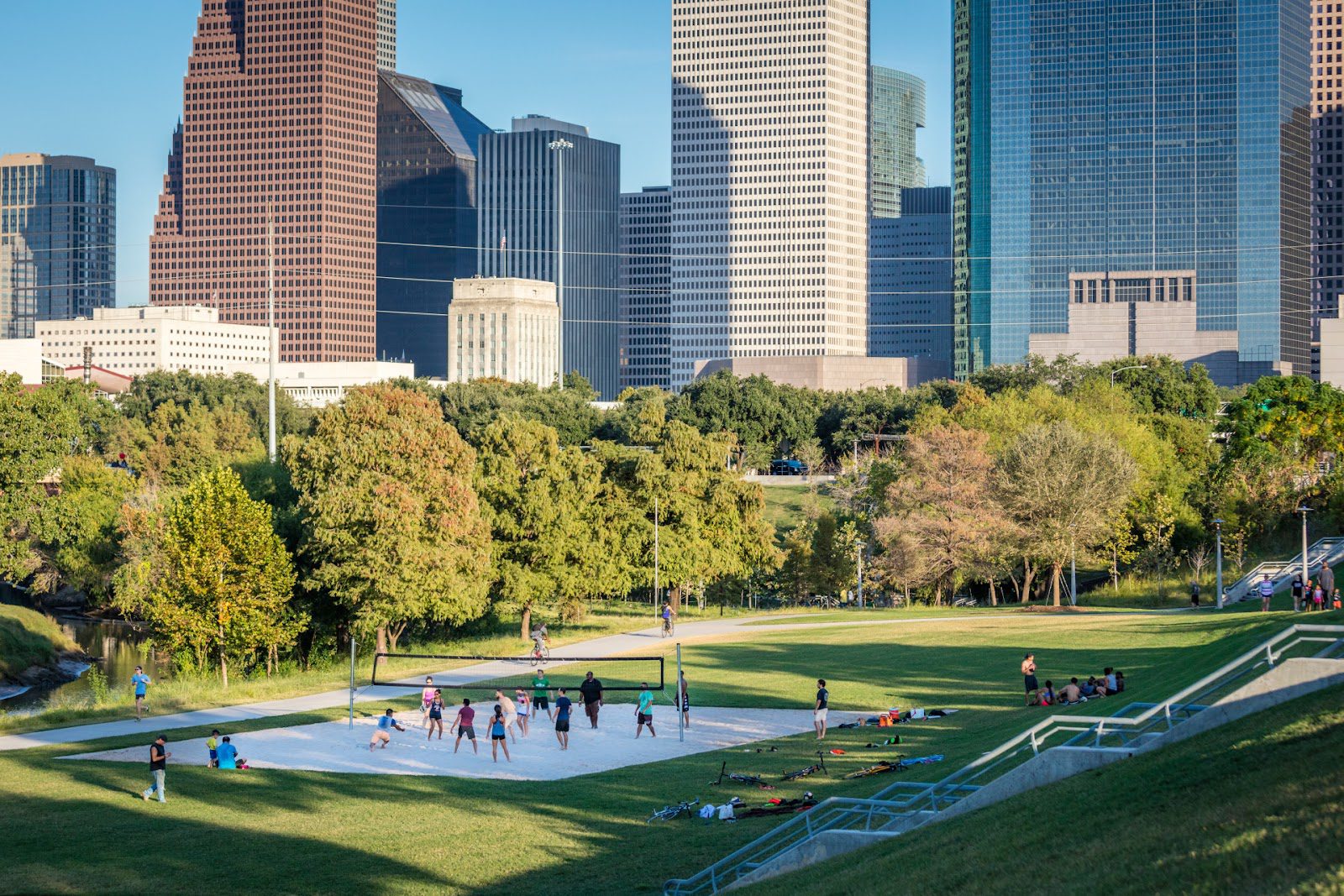
The river bank was reinforced with trees and steppe plants. Lawns were laid out in the park to accommodate large crowds. In addition, walking and cycling paths, a skate park and a dog park were built. There were four gardens designed by a landscape architect. Lighting and several art installations were installed across the park.
In 2011, Buffalo Bayou Partnership and the city agreed to renovate the site. The project was estimated to cost $50 million and was financed primarily via private donations. Following renovations, the park officially opened in October 2015.
Sabine Promenade
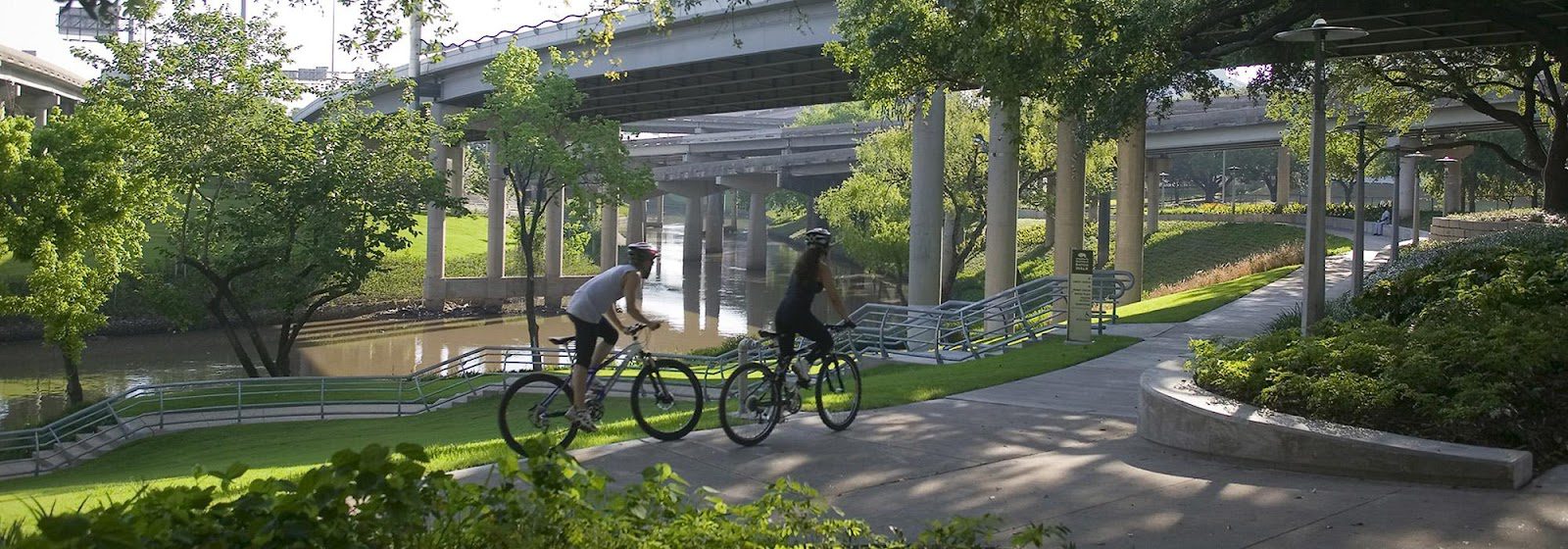
Special attention should be paid to the Sabine Promenade area, which connects Buffalo Bayou Park and Sesquicentennial Park with an abundance of walking and cycling paths. Moreover, you may travel down the current on kayaks and canoes. Please keep in mind that you may encounter not only little fish but even alligators on this trip. Thanks to all of these activities and the rich landscape, the promenade has garnered numerous national and local awards.
The Water Works area
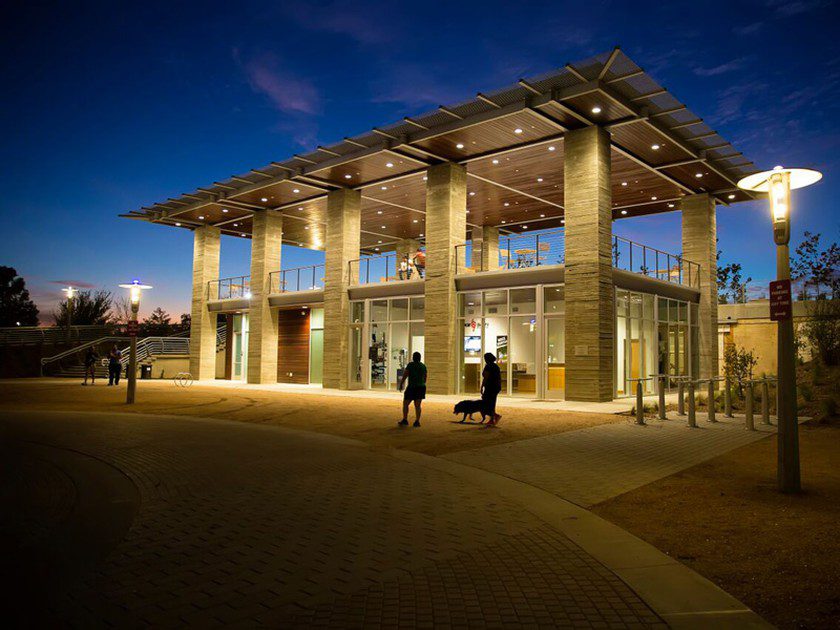
Another must-see attraction in the park is the Water Works, which is an open-air exhibition and event space. There is a large stairway that rises gradually to the top of a partially filled reservoir. It is home to the Brown Foundation Lawn, which is densely planted with green grass and surrounded by trees. The lawn provides a breathtaking view of the city skyline. Additionally, there’s a rising venue close by, known as the Hobby Family Pavilion, which is perfect for a range of events and shows.
7 things to do in Buffalo Bayou Park
1. Visit the Cistern museum-preserve
The Cistern museum and preserve opened in the park in May 2016. It was originally home to one of Houston’s first underground drinking water tanks. Following decades of operation, an irreparable leak was detected, and, in 2007, the reservoir was decommissioned.
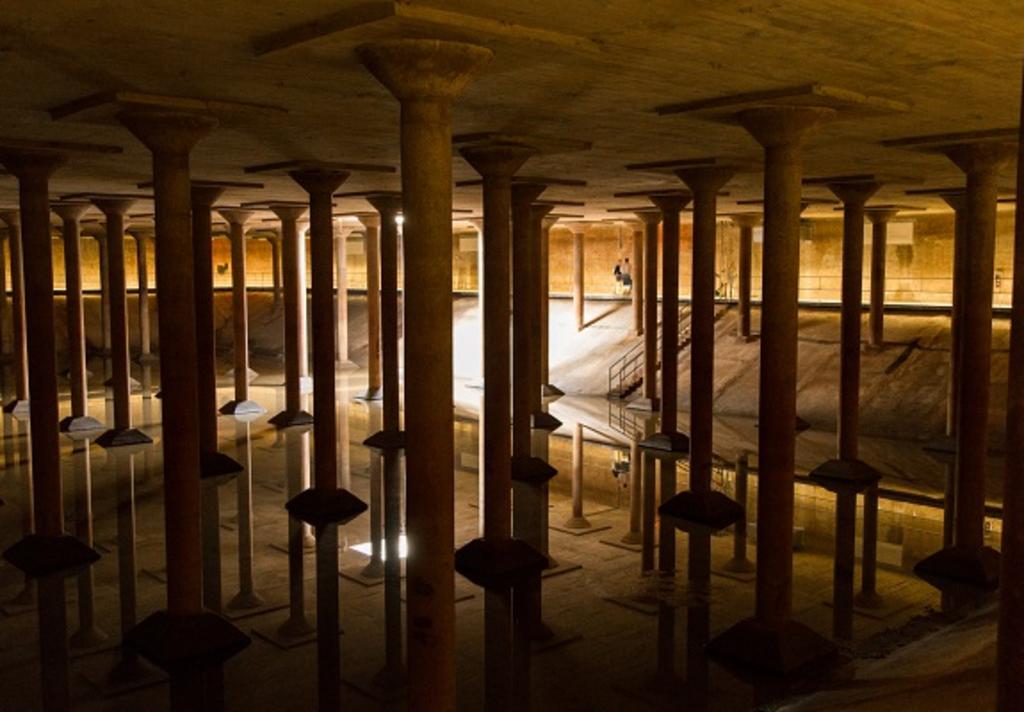
In 2010, Buffalo Bayou Partnership uncovered this nearly-forgotten place, recognizing its historical and architectural significance. The former reservoir has been transformed into a public space where visitors can enjoy excursions, performances and installations.
2. Explore the art
Along the bay, art installations can be found throughout the park. Thus, be ready to snap pictures. For instance, there is British sculptor Henry Moore’s bronze abstract work called Spindle and a 6-meter stainless steel sculpture It Wasn’t a Dream, It Was a Flood by John Runnels, which serves as the entrance to Crosby Falls. There is also the Dandelion, also known as the Gus S. Wortham Memorial Fountain, and a sculpture by New York artist Matthew Geller with a hand shower and pump called Open Channel Flow. There are also Jaume Plensa’s Tolerance – magnificent human sculptures representing the world’s seven continents.
Also, don’t miss Monumental Moments, which features six sculptures expressing words like “explore” and “reflect”.
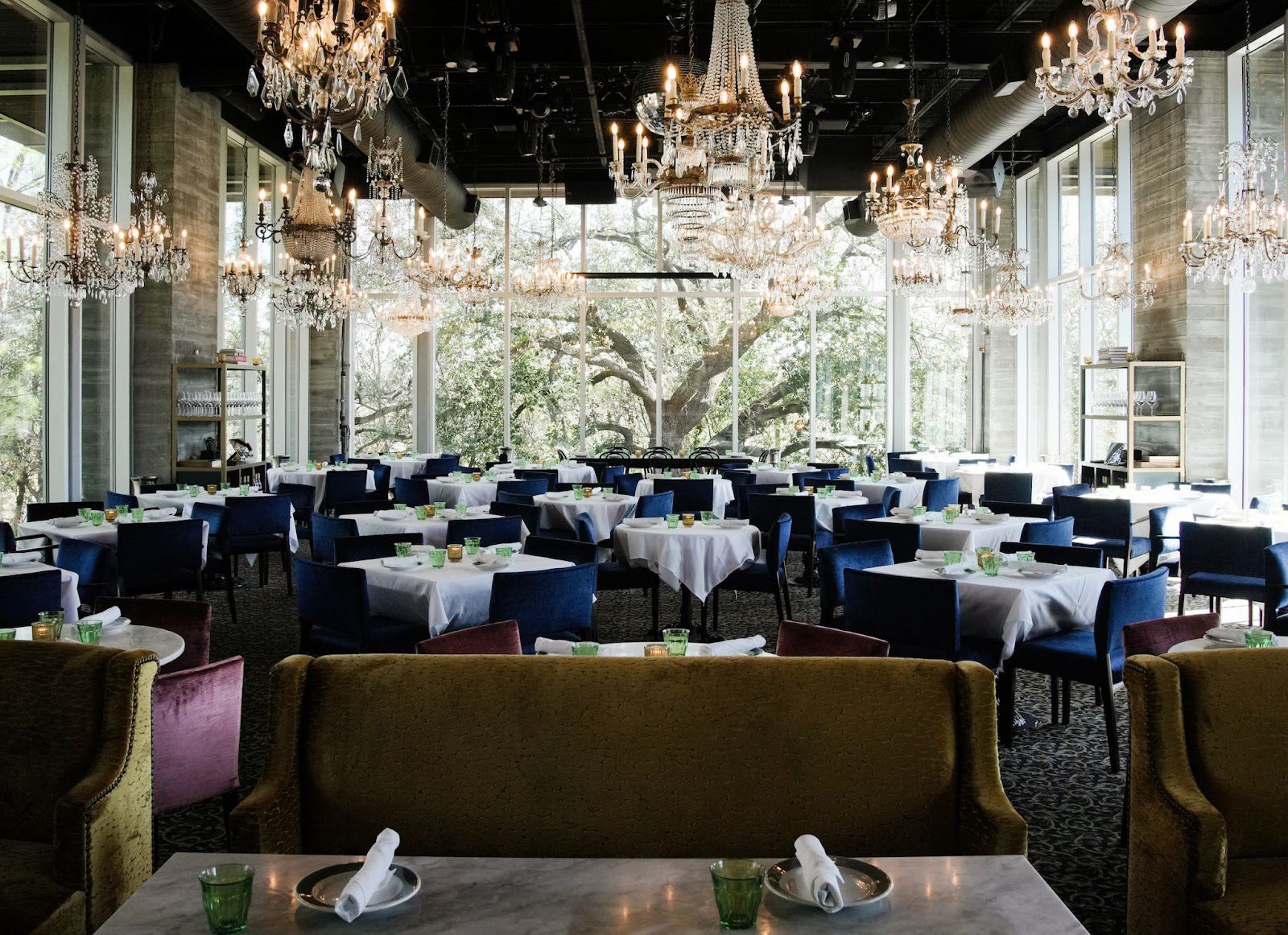
3. Dine beneath the gorgeous chandeliers at Flora Mexican Kitchen
Flora Mexican Kitchen serves Mexican cuisine with a Texas twist, all beneath gorgeous chandeliers of various sizes and styles. Try the smoked octopus, red snapper ceviche, lamb barbacoa stew, fish tacos and tres leches cake, as well as cocktails, wine, tequila and mezcal.
4. Watch flocks of bats flying out
Did you know that after dusk, flocks of Mexican free-tailed bats fly out of the cracks of the Waugh Drive Bridge? This is a sight you should see at least once in your life. Boat cruises are also available, which provide a unique view of the natural phenomenon.
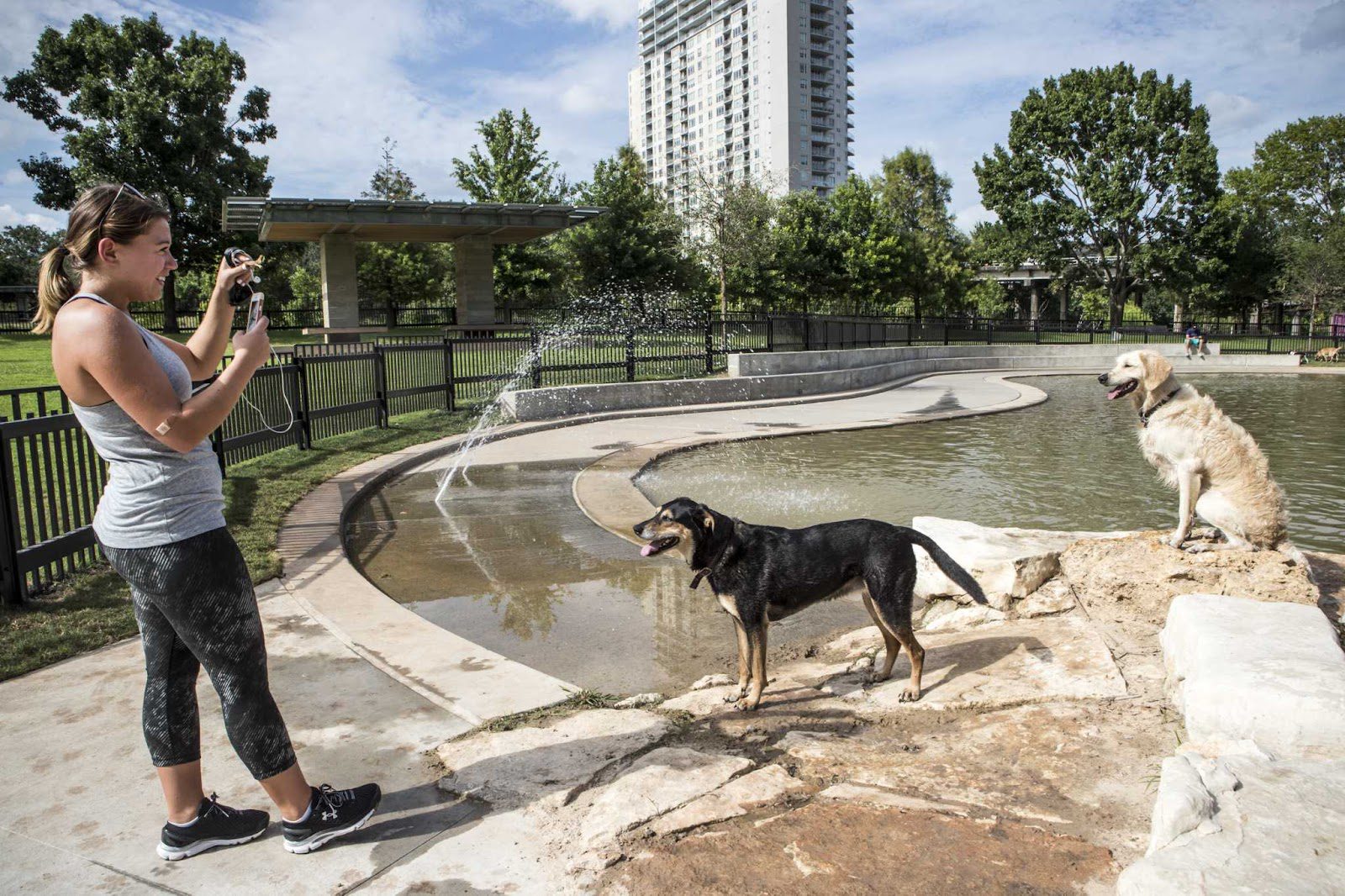
5. Take your four-legged friends to Johnny Steele Dog Park
This place, complete with ponds and lush grass, is one of the best areas in Houston for dog walking. The park is situated near Montrose Boulevard. Structures providing shade protect you and your pets from the scorching sun. There are also areas for dog washing, benches and fountains with taps. Make sure you adhere to city regulations: dogs must be leashed before entering and leaving the park. In addition, owners should always keep a leash for each dog in an easily accessible spot.
6. Check out the Lee and Joe Jamail Skatepark
The skate park, which opened in 2008, is named after Houston lawyer Joe Jamail. Here, both beginners and experienced skaters demonstrate their skills in a variety of events and competitions that are occasionally organized.
7. Take your kids to a playground
There’s a natural playground and pavilion with bouldering (rock climbing) stand close to the skate park, which also features a stream and waterfall, sandbox, logs, rocks and a slide. Additionally, there is a specially equipped picnic area that is frequently rented out for holidays.