

Today, Houston’s status as a global industrial giant seems like something completely natural. However, a century ago, the economic future of the entire state was under threat due to a harsh climate and a shallow coastline unsuitable for shipping. Transforming this isolated region into America’s primary maritime gateway was the result not so much of a lucky coincidence, but of outstanding engineering bravery.
At the center of this massive technical revolution stood Robert Cummins—a man who replaced outdated construction approaches with strict mathematical calculations and innovative materials. His bold ideas and ability to subdue the elements using reinforced concrete and an exact knowledge of hydrodynamics forever changed the landscape of Texas, laying a solid infrastructural foundation for future generations. This article on houstoname.com is dedicated to this brilliant engineer.
The Shallow Water Curse and Nature’s Challenge
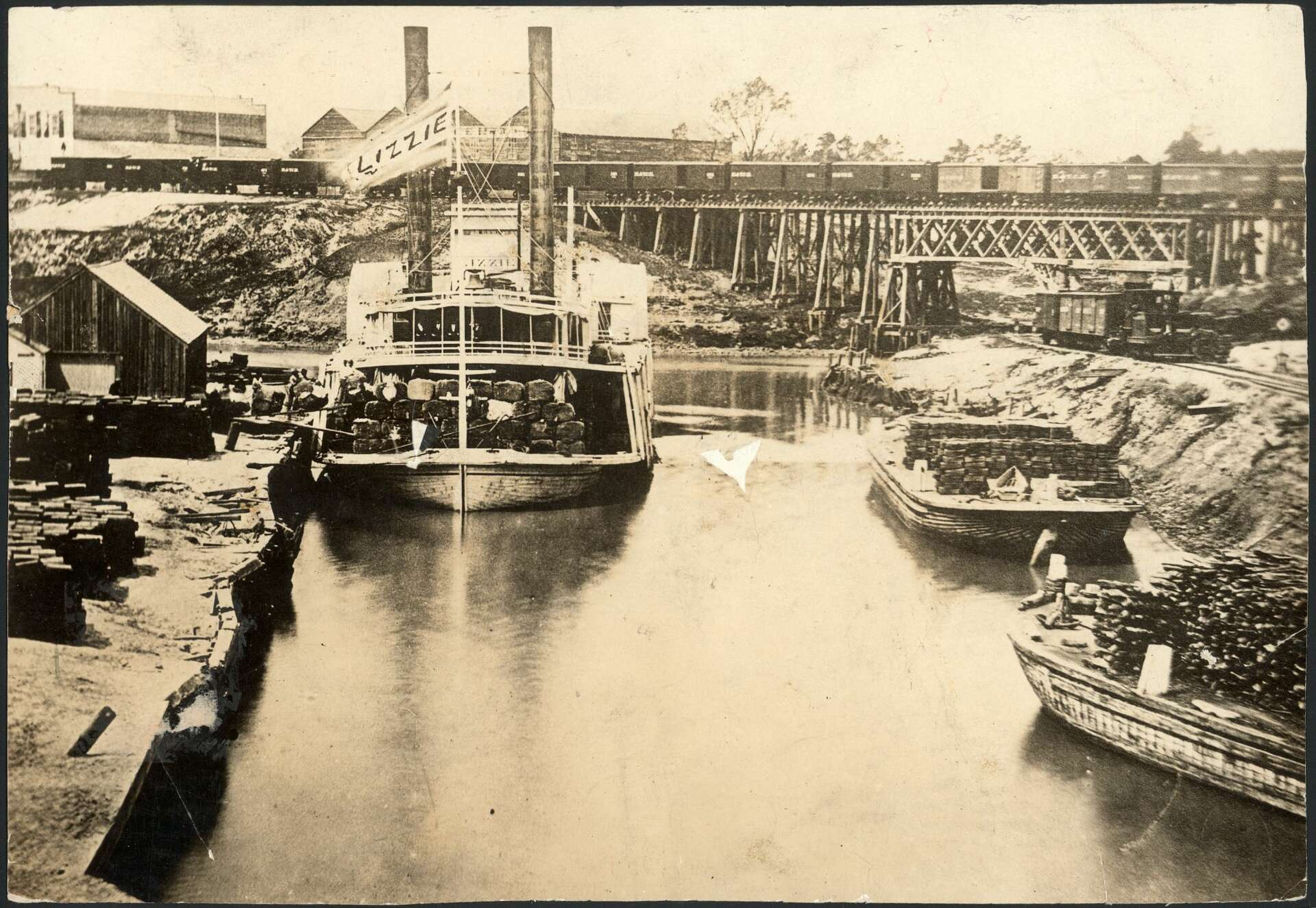
At the turn of the 19th and 20th centuries, Texas possessed colossal economic potential. The cotton boom was in full swing, and a grand oil rush that would later change the entire world was already brewing beneath Texas soil. However, the region had a severe bottleneck—its geography. The coast of the Gulf of Mexico was dotted with shallow lagoons, treacherous sandbars, and silted river mouths. Large ocean vessels simply could not approach the shore and were forced to unload onto small barges far out in the open sea, turning logistics into a nightmare.
The Natural Barrier—Buffalo Bayou
The main waterway leading to Houston—the Buffalo Bayou river—resembled an overgrown shallow marsh back then rather than an international trade route. The natural depth in many places did not exceed a few feet, and constant deposits of sand and silt made shipping unpredictable. Powerful hurricanes, which regularly raged in the Gulf, repeatedly destroyed even the meager wooden piers built by local merchants.
The transformational overhaul of this natural landscape required solving several critical engineering tasks:
- Depth Deepening. It was necessary to develop a technology for the continuous extraction of millions of tons of silted soil without halting the movement of smaller vessels.
- Shoreline Fortification. Loose sandy shores required the creation of capital retaining walls capable of withstanding the pressure of water and future multi-ton structures.
- Creation of Turning Basins. The ocean giants of the future needed space not only for passage but also for safe maneuvering and turning within a limited riverbed.
- Countering the Elements. Any engineering structure had to be designed considering the colossal wind and wave loads from tropical storms.
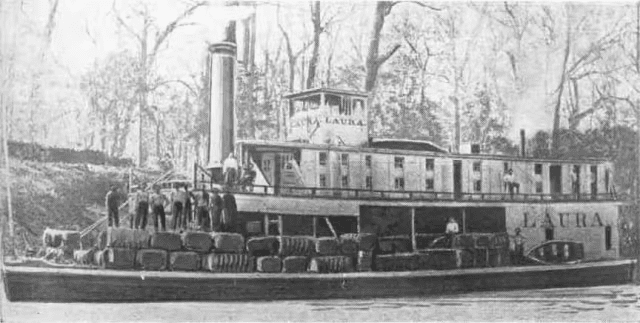
When Robert Cummins was born in 1901, the state’s engineering mind was only beginning to find the correct answers to these natural challenges. Old construction methods using timber and simple stone proved absolutely powerless against Texas scales and the fickle climate. Solving this problem failed for many long years.
The Beginning of an Engineering Revolution
The young and ambitious engineer quickly realized that half-measures would not save the situation. Texas did not just need new piers or a cosmetic clearing of the riverbed but a radical modification of the landscape—the creation of artificial deep-water channels capable of accommodating the fleet of the future. Cummins recognized that the key to success lay in using new materials that were revolutionary for the early twentieth century.
It was during this period that the era of reinforced concrete and heavy steel structures arrived to replace brittle brick and short-lived wood. Cummins became one of the first to realize that to conquer water and silt, one had to think in terms of large industrial architecture, calculating every millimeter of a structure’s settlement under colossal weight. His vision turned the curse of the Texas shallow waters into the starting point for creating one of the largest artificial ports in the world, forever altering the balance of power in global maritime logistics.
A Masterpiece of Engineering Thought: The Houston Ship Channel
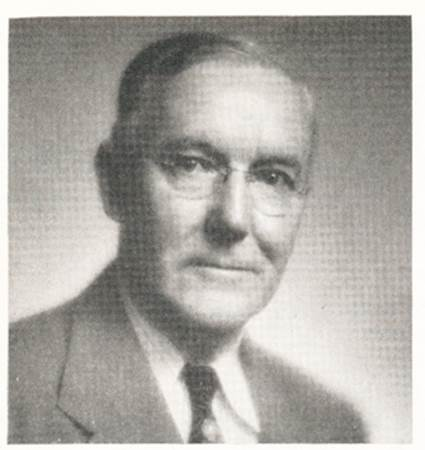
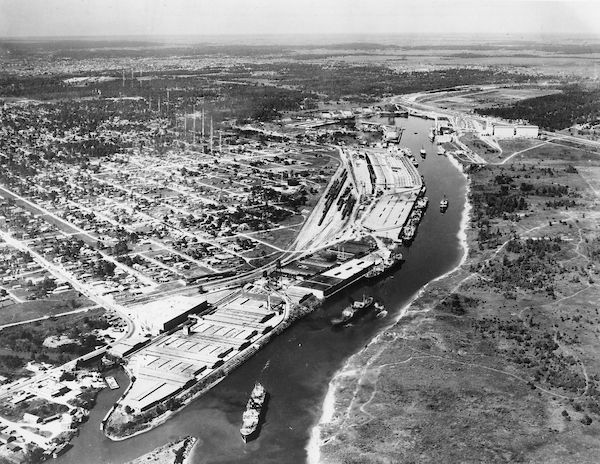
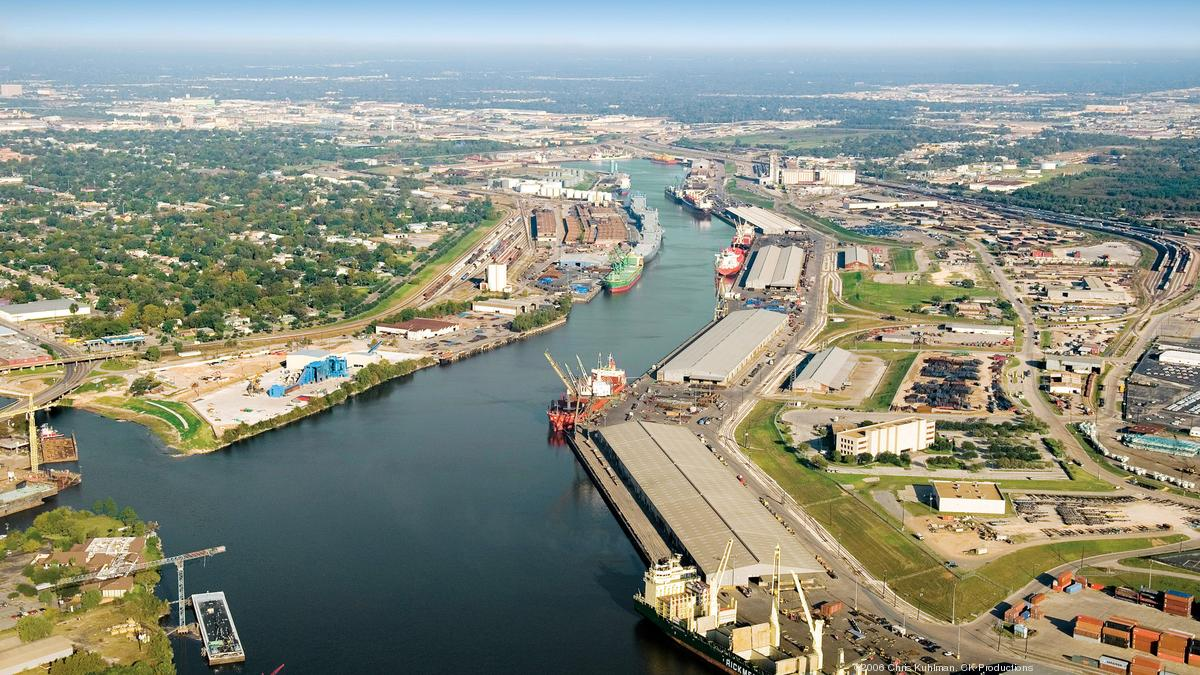
The most vital phase in the career of the young yet ambitious designer was the development of the Houston Ship Channel. Although the official opening of this waterway took place in 1914, it was Cummins who, as chief consulting engineer over the subsequent decades, directed its large-scale expansion, deepening, and technical modernization.
He developed dredging methods and stabilization techniques for the unstable Texas coastline that were revolutionary for their time. Thanks to his precise mathematical calculations, the channel transformed from a narrow, silted river artery into an 80-mile deep-water super-corridor capable of safely passing deep-draft ocean vessels.
To achieve such capacity, Cummins implemented several large-scale engineering solutions:
- Reinforced Concrete Shore Armor. Instead of fragile wooden structures, a system of massive retaining walls made of reinforced concrete was introduced to curb soil erosion from the constant waves generated by large ships.
- Dredging Conveyor. Cummins modernized the fleet of dredgers, establishing a continuous process of lifting silt and transporting it to specially designated isolated territories, which prevented the refilling of the fairway.
- Hydrodynamic Planning. The configuration of the channel was calculated so that the river’s natural current helped flush sand into railway docks, reducing the costs of artificial cleaning.
Cummins viewed the channel not merely as a water road but as a complex engineering ecosystem integrated with the oil refineries rapidly growing along the banks. Creating safe approaches to the private piers of major industrial enterprises allowed Houston to become the main petrochemical port of the U.S. in the shortest possible time.
This modernization laid the technical foundation that allowed the logistical hub to function seamlessly even during peak loads of the World War II period. Robert Cummins’s work on the Houston Ship Channel proved that bold engineering solutions are capable of completely neutralizing a region’s geographical disadvantages. Today, this giant corridor remains a monument to his foresight, ensuring Texas’s economic dominance on the world map of maritime trade and the petrochemical industry.
Engineering Code: Evolution of the Texas Coast
Robert Cummins did not stop at a single project. His engineering bureau became the true architect of almost every significant port hub in Texas. He applied a systemic approach to design, becoming the first in the region to calculate in detail the hydrodynamics of storm waves and the patterns of sand mass movement along the entire coast of the Gulf of Mexico.
Scaling Success
Cummins recognized that each port has unique natural conditions, so standard solutions are ineffective here. His bureau developed customized designs for Corpus Christi, Galveston, and Freeport, which allowed for linking the entire Texas industrial belt into a single logistical network.
Cummins’s key innovations in the state’s infrastructure included the following solutions:
- Flexible Breakwaters. Development of unique stepped structures that did not just blindly block the impact of water but effectively dissipated the destructive energy of storms, reliably protecting inner harbors from flooding.
- Reinforced Concrete Docks. Replacing obsolete and unreliable wooden piles, which were rapidly destroyed by marine organisms and rot, with durable, innovative concrete mixes featuring special chemical additives.
- New Type Lock Systems. Optimization and automation of water level controls for the fastest and safest passage of heavy vessels in critically shallow areas.
- Integrated Logistics. Designing wharf walls as a single complex with railway tracks and warehouse terminals for the instant transshipment of goods without unnecessary maneuvers.
A Foundation for Future Generations
Thanks to these technical innovations, Texas was able to make a colossal leap in industrial development. The introduction of salt-water-resistant reinforced concrete elements allowed ports to function for decades without major overhauls, which significantly saved budget funds.
An engineering genius forever changed the face of the Texas coast, turning a wild and dangerous shoreline into America’s most reliable maritime gateway. His analytical methods for calculating waves and integrated construction set the standards used by modern bridge builders and hydraulic engineers. Today, when we see giant container ships in the ports of Bayport or Barbours Cut, we see the realization of Cummins’s forward-thinking ideas, which forced the capricious nature of Texas to work for global progress.
The Legacy of the “Father of Ports” in Figures
Cummins left behind a Texas that stood firmly on maritime feet. His work drastically altered the balance of power in the American economy, shifting the primary logistical focus from the traditional Northeast to the country’s southern coast.
Comparison of Texas Logistics Before and After Cummins
| Infrastructure Element | Shallow Water Era (Early 20th Cent.) | Cummins Era (Mid-20th Cent.) |
| Maximum Vessel Draft | Up to 3–4 meters (small schooners only) | Over 11–12 meters (ocean liners) |
| Wharf Technology | Wooden structures, manual labor | Reinforced concrete terminals, mechanization |
| Storm Security | Complete vulnerability to hurricanes | Systems of dams and protective breakwaters |
| Local Status | Regional shipping points | Global maritime hubsItems |
Statistical and qualitative changes clearly demonstrate that an engineering approach was able to eliminate the natural limitations of an entire region, turning a geographical disadvantage into the state’s primary economic advantage. The transition to long-lasting materials and large-scale planning allowed for creating a margin of safety that ensured the uninterrupted development of industry for a century ahead.
Thanks to the technical foundation laid back then, modern Houston was able to seamlessly integrate automated control systems and digital technologies into an already completed capital base. A reliable hydrotechnical structure became the platform that allowed Texas not just to adapt to globalization but to lead it, dictating its standards of speed and safety in global logistics.
