

Traditional perceptions of gemstone mining in the deep shafts of Africa are rapidly fading into the past, giving way to the vacuum chambers of Houston. Thanks to a unique combination of surplus energy and access to ultra-pure gases, the city has transformed into a global hub for CVD synthesis. Here, in the heart of plasma reactors, engineering ingenuity surpasses the randomness of nature, creating crystals that are identical to natural ones but devoid of their ethical and environmental drawbacks.
This is not just a jewelry revolution—it is a strategic breakthrough where lab-grown diamonds become the foundation for the electronics of the future and space technologies. We share the intricacies of the industry below on houstoname.com.
Texas Plasma Instead of African Depths
The process of creating diamonds through artificial methods has become a true challenge to traditional mining. Houston chose this path due to its colossal energy resources and access to pure gases required for the reaction. In specialized vacuum chambers under microwave radiation, methane breaks down into carbon atoms, which settle layer by layer onto a thin substrate. This resembles the falling of technological snow, transforming into a monolithic structure.
Crystals born in the heart of Texas are identical to natural counterparts in chemical composition but are free from the impurities inherent in the earth. The CVD method allows for the production of stones of exceptional clarity, which are difficult to find even in the richest deposits on the planet. The primary difficulty lies in maintaining a stable plasma temperature exceeding 800°C over several weeks of continuous growth.
The stages of crystal growth include the following processes:
- Substrate Preparation: Thin plates of natural or previously grown diamond are placed at the bottom of the chamber, serving as the “genetic code” for the future crystal.
- Vacuum Creation and Gas Filling: The chamber is filled with a mixture of high-purity hydrogen and methane, which is critical to avoid nitrogen impurities that tint the stone yellow.
- Plasma Activation: A microwave generator ionizes the gas, turning it into a plasma ball where the chemical bonds of methane are broken.
- Atomic Deposition: Free carbon atoms slowly settle on the substrate, repeating its crystal lattice and increasing the stone’s mass by several microns per hour.
This technology allows for the growth of Type IIa diamonds, to which only 2% of natural stones belong. In Houston, such laboratories often collaborate with energy companies, as stable electricity supply ensures that crystal growth is not interrupted by a grid failure.
Examples and Applications
One vivid example of CVD technology usage in the region is the creation of not only jewelry but also technical components. Houston engineers use these diamonds to manufacture windows for high-power lasers and heat-conductive substrates in modern electronics. Since diamond has the highest thermal conductivity of all known materials, its use allows processors to operate at significantly higher frequencies without overheating.
Today, Texas demonstrates that laboratory growth is an ethical and ecological alternative to pit mining. The lack of a need for giant quarries and the use of child labor in conflict regions of Africa makes Houston diamonds attractive to a new generation of consumers. Thanks to energy availability and engineering talent, the city is turning into a global player in the synthetic jewelry market, where every stone has a transparent origin and flawless physical characteristics.
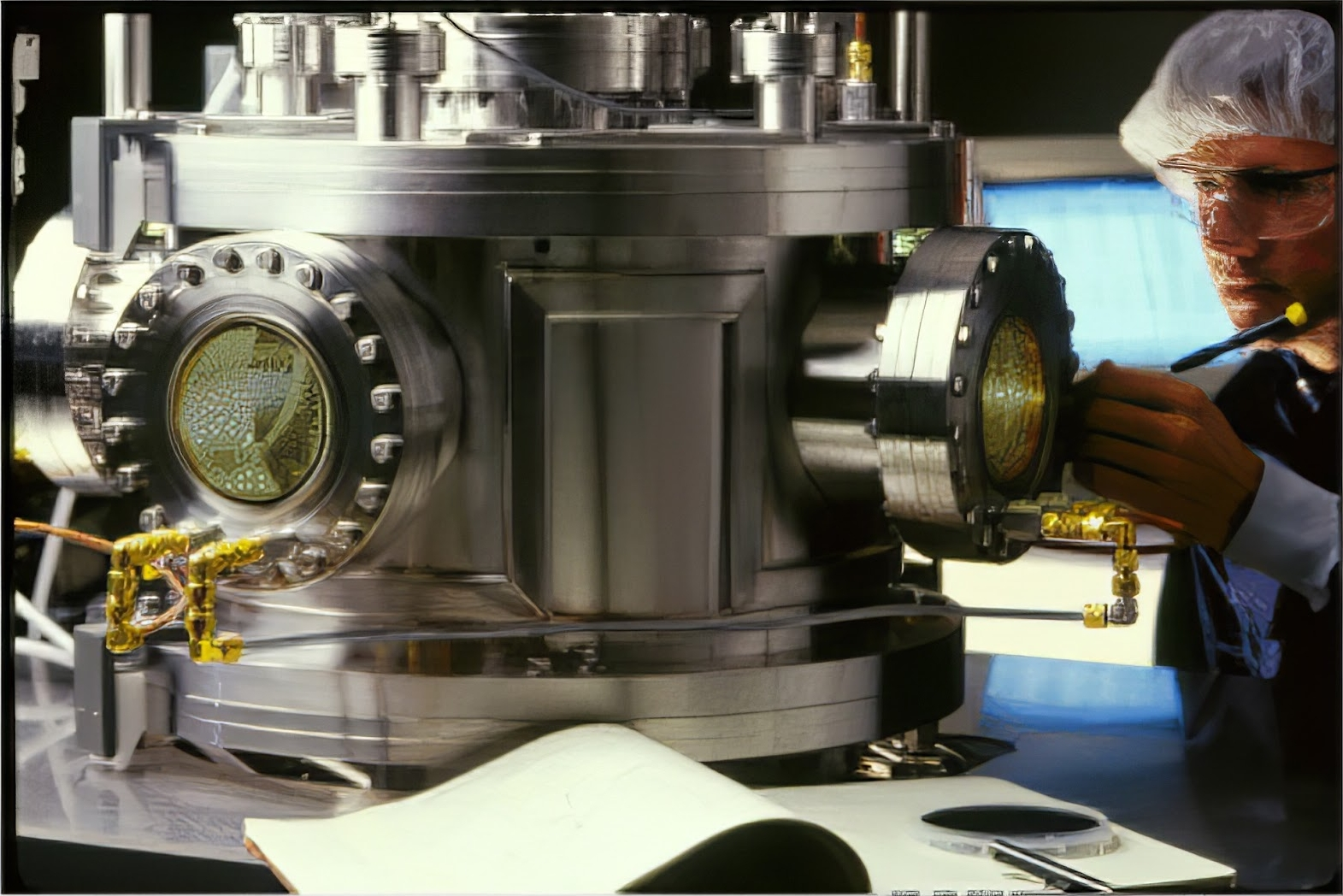
Evolution of Laboratory Brilliance
The application of synthetic diamonds in Houston has expanded beyond jewelry, transforming the city into a center of high-tech materials science. Houston laboratories today focus on developing next-generation semiconductors where a diamond substrate serves as an ideal heat sink for ultra-powerful computing systems. Due to the highest thermal conductivity among all known minerals, these materials are integrated into laser systems and NASA onboard equipment, ensuring stable electronics performance in vacuum conditions.
The use of unique physical properties allows for the creation of components capable of withstanding extreme mechanical and radiation loads. Unlike natural stones, CVD diamonds have a predictable structure, which is critical for the mass production of complex devices.
Specific directions for the use of technical tools manufactured in Texas laboratories include:
- Quantum Sensors: Production of magnetometers based on nitrogen-vacancy centers in diamonds for high-precision MRI, allowing for the visualization of individual protein structures.
- Ultra-durable Tooling: Manufacturing of cutting elements and drill bits with a lifespan ten times longer than steel samples. This is particularly relevant for deep-water drilling in the Gulf of Mexico.
- Extreme Optics: Creation of transparent windows for deep-sea vehicles and lenses for aviation radars that do not cloud under the influence of aggressive environments and high pressure.
- Radiation-Resistant Microelectronics: Formation of microcircuits based on diamond semiconductors that maintain functionality during solar flares and harsh cosmic radiation.
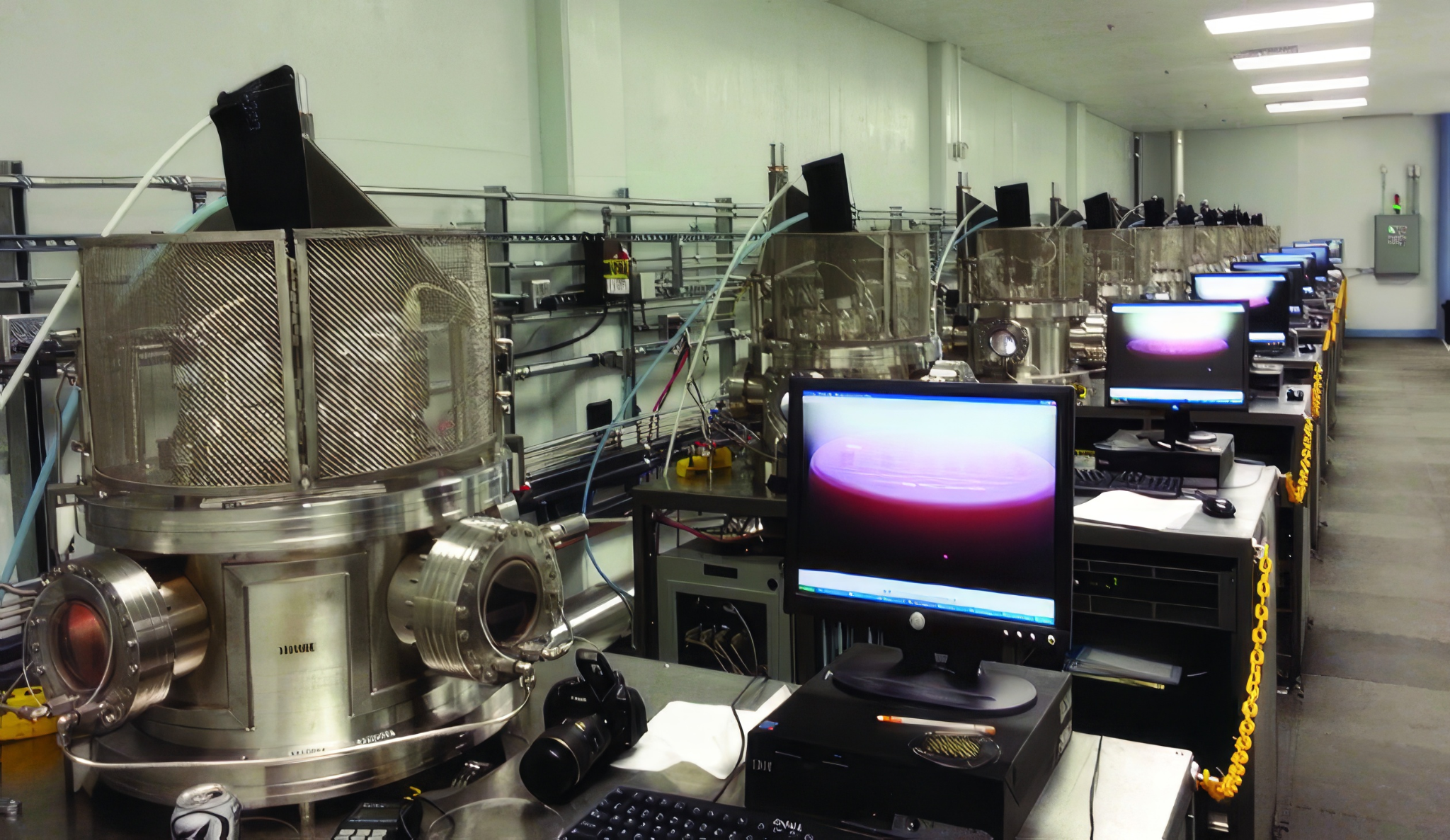
Strategic Importance of Carbon Structures
This list demonstrates that a lab-grown stone is primarily a strategic raw material for the defense and energy sectors, and only then an ornament. The technological advantage of the CVD method lies in the ability to control every micron of growth, introducing necessary dopants directly during the crystal formation process.
By being able to grow large-diameter wafers (up to several inches), Houston engineers are replacing silicon in power electronics with diamond analogs. This allows for the creation of power converters for ERCOT electrical grids that are several times smaller in size and significantly more efficient in terms of energy consumption. Thus, the laboratory brilliance of Texas provides not only aesthetic pleasure but also real technological independence for the region in critical areas.
Economic Architecture of a Transparent Market
The cost of lab-grown samples is significantly lower than the price of mined ones, causing a true revolution in global retail. Texas manufacturers offer a product that is 40–60% cheaper than “blood” diamonds of similar weight. This has made luxury accessible to the general public while simultaneously raising certification requirements.
Authoritative institutes, such as the GIA, now issue full reports for man-made specimens, confirming their authenticity. Houston has become a platform for transparent trading, where the price is determined by the energy efficiency of reactors rather than a deficit artificially created by monopolists. Competition between local startups stimulates cost reduction, making the region the most attractive place for investment in the high-tech jewelry industry.
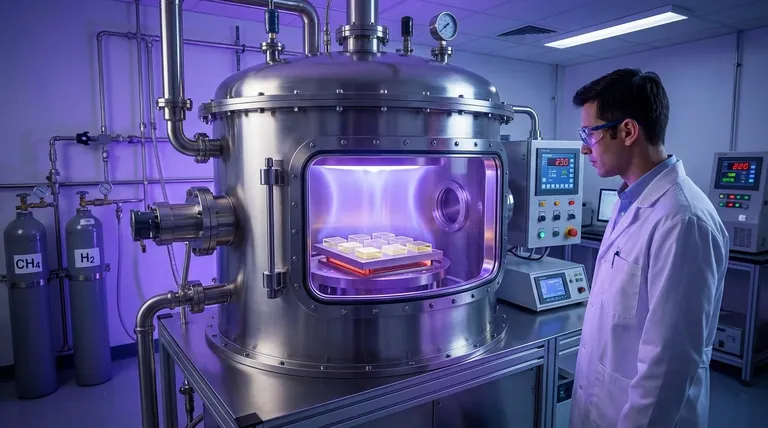
Environmental Manifesto of Carbon Neutrality
A key argument for Houston manufacturers is the environmental cleanliness of the process. Traditional digging of massive quarries causes irreparable damage to landscapes and water resources. Laboratory synthesis requires only electricity and a small amount of gas, minimizing interference with the biosphere.
Local enterprises are actively transitioning to renewable energy sources, striving to make their products completely “green.” This resonates with the values of the modern generation of consumers who seek to own something beautiful without destroying the environment. The absence of a conflict-ridden mining history adds ethical weight to each stone, which is often valued higher than carats. Honest analysis shows: the future of the industry belongs to those who know how to create value without destroying nature, turning the energy of the sun and wind into eternal radiance.
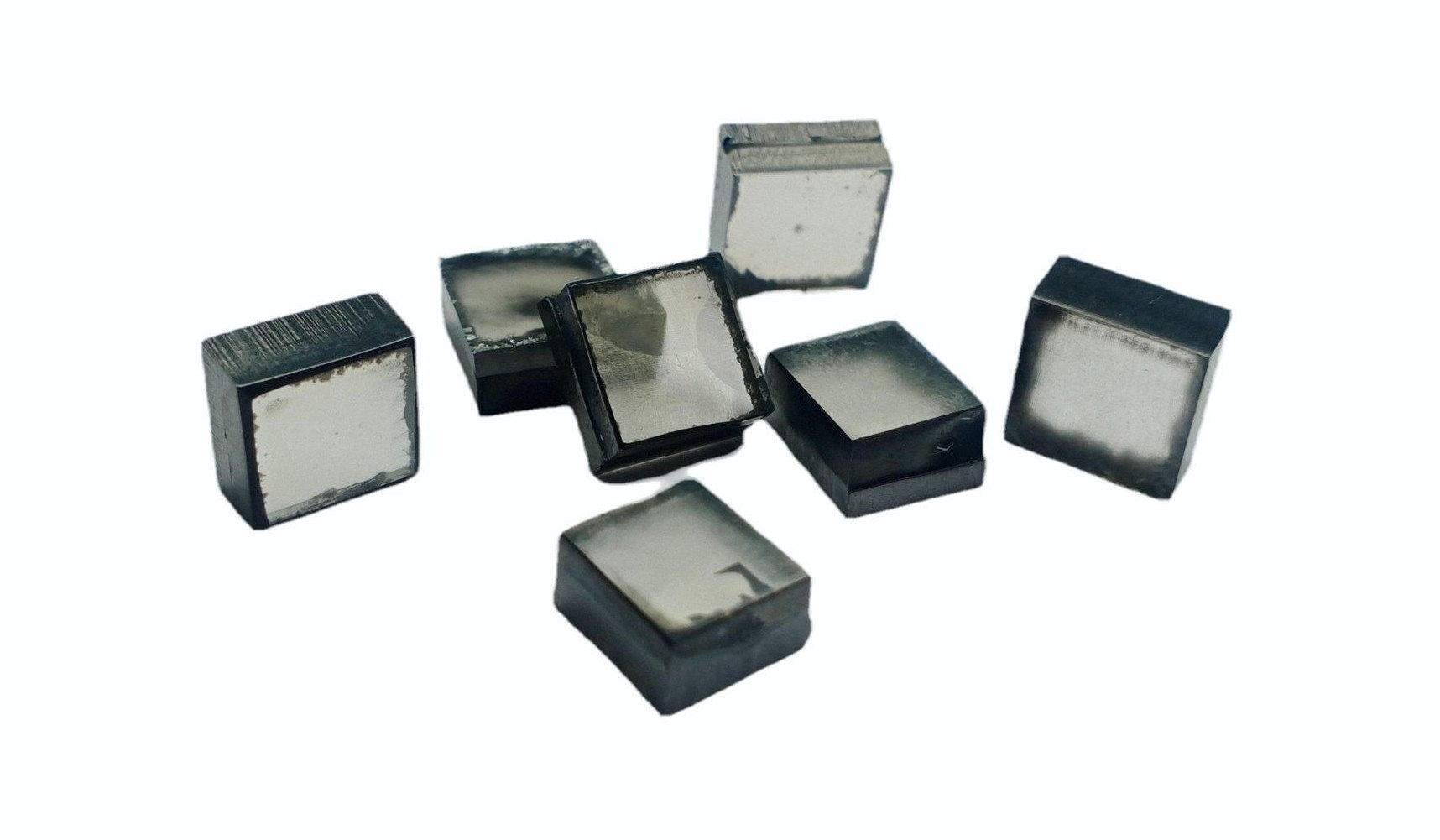
Comparative Characteristics of Diamond Segments
| Comparison Feature | Natural Diamonds (Earth-Mined) | Lab-Grown Diamonds (CVD) |
| Origin | Millions of years in the earth | A few weeks in a laboratory |
| Chemical Composition | Pure carbon with impurities | Pure carbon (Type IIa) |
| Pricing Policy | High, due to limited access | Affordable, based on technology |
| Environmental Impact | Large-scale soil erosion | Low carbon footprint |
| Ethical Status | Risks of “conflict” zones | Guaranteed history transparency |
