

Houston sits in a subtropical climate zone, which means it’s warm year-round. Its proximity to the Gulf of Mexico gives Houston a naturally high humidity, and the city sees frequent rainfall. Hydrometeorological center observations show Houston averages 219 rainy days per year. However, some years bring brutally dry summer months. This causes trouble not just for Texas farmers, but for city residents who suffer from the excessive heat. Next, we’ll look at how Houston battles both the heat and the drought on houstoname.
The Uncomfortable Statistics
Due to the global ecological situation and human activity, climate change is becoming apparent. The world is seeing a trend toward rising air temperatures, which is particularly noticeable in the summer. To visualize these climatic changes, here’s a look at the data:
| Year | Average Rainfall (inches/mm) | Highest Temperature (°C) | Drought Level |
| 2000-2005 | 45-50 / 1143-1270 | 38-40 | Variable |
| 2006-2010 | 48-52 / 1219-1321 | 39-41 | Variable, periodic droughts |
| 2011-2015 | 42-48 / 1067-1219 | 40-42 | Periodic droughts, especially 2011 |
| 2016-2020 | 50-60 / 1270-1524 (including Hurricane Harvey) | 38-40 | Variable, significant rainfall in 2017 |
| 2021-2023 | 45-50 / 1143-1270 | 40-42 | Variable, with a drought tendency. 2023 was the hottest summer on record |
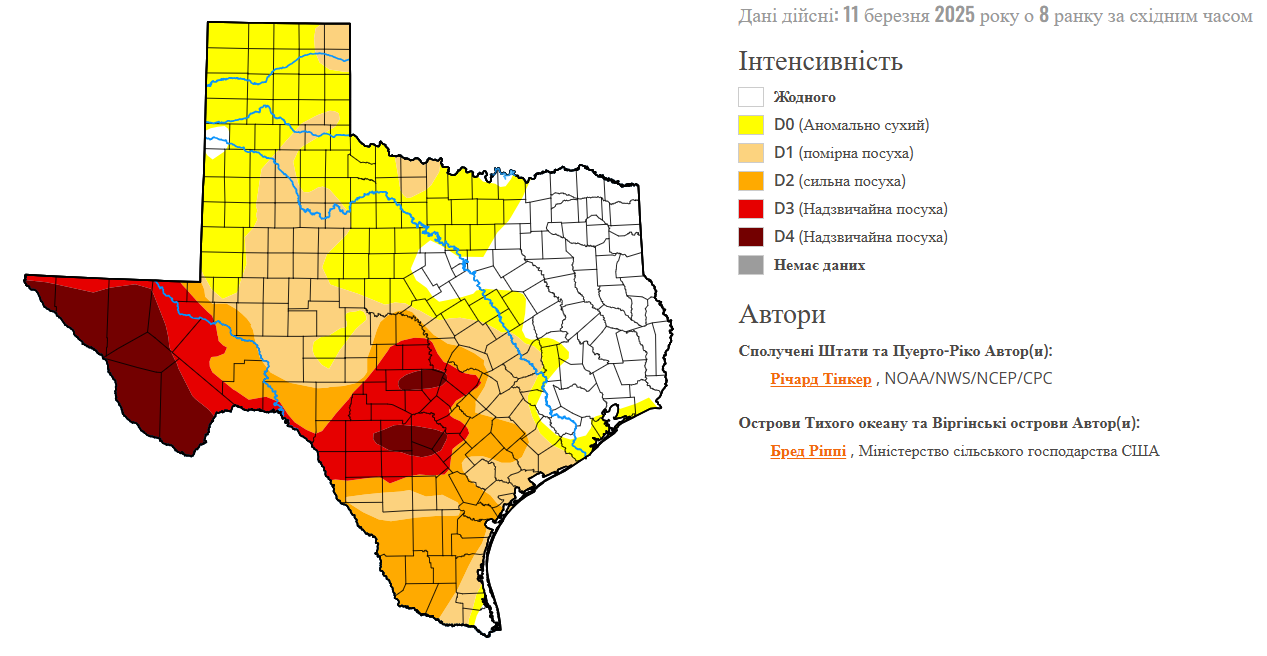
As the table shows, air temperatures are increasing year by year. According to Space City Weather, nearly 20% of the state is experiencing severe drought. This negatively impacts the region’s agricultural sector. Standard crop cultivation methods are disrupted by significant droughts, requiring supplemental irrigation. This heavily stresses the water levels in reservoirs, forcing strict conservation of precious moisture from rivers. The droughts have prompted county authorities to implement various measures to mitigate the consequences, including radical steps like bans on open fires and restrictions on water use.
Methods of Combat
For the residents of Houston itself, this phenomenon is also bothersome. Excessive heat not only creates discomfort but also negatively impacts health. High air temperatures can even lead to fatal consequences. Local authorities recognize this and are making efforts to mitigate the effects of drought and heat.
Monitoring and Forecasting
To avoid a water crisis, Houston uses modern technology to monitor water levels in rivers and reservoirs. This allows the city to anticipate the driest periods and prepare for them. Studies are conducted to forecast future drought periods and develop responsive action plans.
Water Resource Management
The city invests in improving water supply infrastructure. Special attention is paid to expanding and modernizing reservoirs. Through these actions, local authorities aim to increase water reserves during periods without drought. Young scientists from local universities are engaged in this work, developing new methods for the rational consumption and conservation of water resources. Specifically, they are exploring possibilities for the reuse of wastewater.
Water Conservation
During the summer heat in Houston, the rational use of water is actively promoted. Clear instructions have been developed for consuming this valuable resource. It’s recommended that lawn watering be done no more than twice a week, and watering must be controlled to prevent runoff onto sidewalks. In particularly hot periods, restrictions are even placed on water use for washing.
To minimize water loss, programs are being implemented to install devices that conserve water and monitor its consumption. These innovations include, for example, low-flow showers and toilets.
Infrastructure Development
It rains in Houston for most of the year. Local scientists are developing ways to collect rainwater for future dry or hot periods. Stormwater management systems will allow the replenishment of volumes lost from reservoirs.
Properly constructed drainage systems are no less important for water retention.
Education and Awareness
The city conducts information campaigns to raise public awareness about the drought problem and water conservation methods. Lectures and seminars are organized for residents and businesses. These sessions provide detailed information on the importance of saving water, how to implement conservation in daily life without losing comfort, and other issues related to drought problems.
Working During a Heatwave
We’ve listed the measures taken before the excessive heat begins. What do local authorities do directly during such a period?
- Heat Warnings. Residents are informed about the approaching heatwave via mass media. Recommendations on how to behave during the heat are also announced.
- Cooling Centers. Special tents are set up in crowded areas where people can seek refuge from the scorching sun. Here, they can drink water and review materials on the consequences of sun exposure.
- Assistance to Vulnerable Groups. Certain segments of the population, such as the elderly, children, or people with chronic illnesses, are provided with extra care.
- Support for the Homeless. Special services work with this social group to ensure they have access to cool places and water.
Heat causes significant harm and financial losses, but this wasn’t always the case. It is worth looking back and examining where humanity made mistakes. We should consider regional greening, transitioning to alternative energy sources, and finally trying to be more than just consumers on this planet. By turning back toward nature, it, too, will meet humanity halfway.