

When the scale of Texas’s maritime gateway reached a critical limit, it became clear: traditional management methods were no longer capable of calming the chaos of thousands of containers. At this point of tension, a new reality was born, where iron giants no longer require a human in the cabin, and every movement of multi-ton cargo is calculated to the millimeter even before the ship crosses the horizon of the Gulf of Mexico.
This is a story on houstoname.com about how the Port of Houston transformed from a mechanical hub into an intelligent living organism, where the speed of light and the flawlessness of code reign instead of physical force.
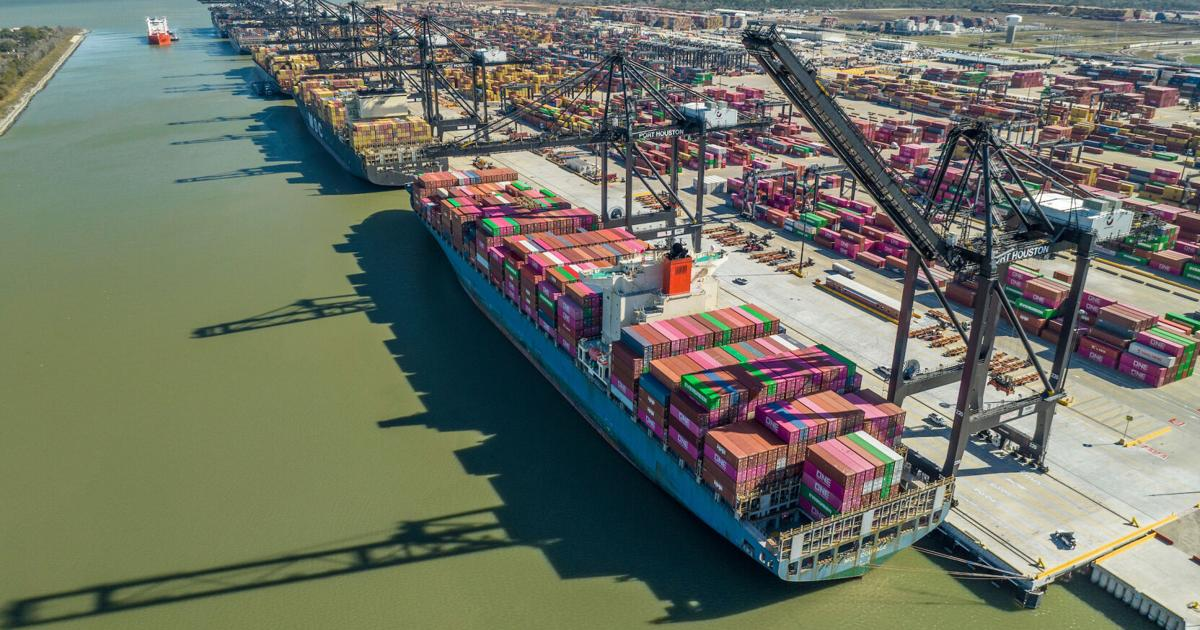
Robotization of the Port of Houston
The automation of the Barbours Cut and Bayport terminals began not due to a pursuit of fashion, but as a result of stark economic necessity. When container shipping volumes at the Port of Houston exceeded a critical mark, the human resource became the “bottleneck” of the infrastructure. The harbor administration invested hundreds of millions of dollars in implementing intelligent traffic management systems, specifically the N4 terminal operating system from Navis. This software acts like a conductor, coordinating the movement of thousands of trucks and ships in real time.
How the Intelligent Hub Works
The N4 system integrates data from satellites, GPS sensors on container ships, and automated terminal gates. The use of such complexes allowed for a reduction in ship downtime by 25%, which is a colossal figure for Texas maritime logistics. The software independently determines the sequence of cargo processing, minimizing the travel of cranes and tractors across the facility.
Implementing a digital helm provides the port with a range of critical advantages:
- Logistical Precision. SmartGate automated systems recognize container numbers and driver faces in seconds, eliminating queues at terminal entrances.
- Economic Efficiency. Minimizing unnecessary equipment maneuvers radically reduces fuel consumption, making port operations not only cheaper but also significantly greener.
- Supply Chain Predictability. Algorithms forecast ship arrival times by accounting for weather in the Gulf of Mexico, allowing for the early preparation of unloading areas.
- Workplace Safety. Robotization begins with algorithms that exclude the factors of fatigue or subjective error, which is especially important during 24/7 operations in the Texas heat.
A Future Without Delays
Thanks to the transition to digital rails, the Port of Houston has strengthened its position as the main U.S. maritime route for energy exports and consumer goods imports. Today, algorithms see the overall picture much more clearly than the most experienced dispatcher, operating millions of variables simultaneously.
For the region’s business community, this means supply stability and lower transportation costs. The digital transformation of Barbours Cut and Bayport proves that the winner is not the one with the most berths, but the one who manages information flows more effectively. Houston continues to set standards for global logistics, where every container movement is part of a large, flawlessly calculated code.
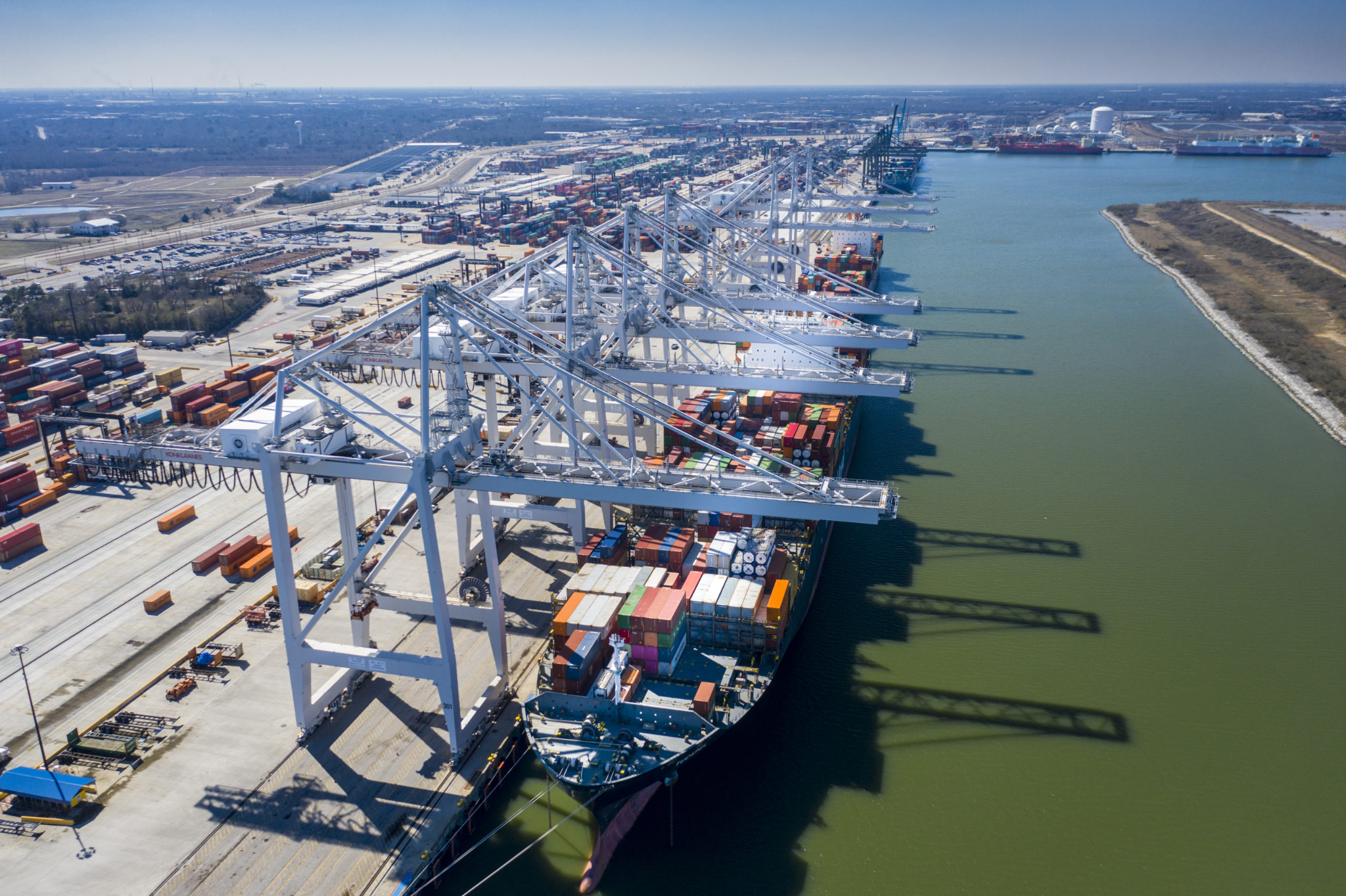
Iron Giants Managed by Algorithms
The most impressive element of Houston’s infrastructure upgrade is the giant rubber-tired gantry cranes equipped with intelligent remote monitoring and control systems. Modern models from Konecranes, operating at the Bayport and Barbours Cut terminals, are essentially robots managed by an operator from a comfortable office rather than a cramped cabin thirty meters in the air. This radically changes the very nature of port labor, transforming it from heavy physical work into a high-tech process.
Precision and Safety: Robotization on the March
Autonomous laser scanning sensors and computer vision systems allow the machine to grab multi-ton metal boxes with a precision of just a few millimeters. This level of accuracy is unavailable even to the most experienced crane operator under manual control, especially in conditions of limited visibility or strong winds from the Gulf of Mexico.
The introduction of automated cranes provides the logistical hub with several key technological advantages:
- Personnel Safety. Humans are no longer in the immediate risk zone under multi-ton suspended loads, which minimizes the likelihood of industrial injuries.
- Smart Stacking. The software ensures perfect order in the yards, where each unit of cargo is positioned according to a dynamic schedule for its subsequent dispatch by rail or road.
- Environmental Transformation. Modern electric drives with energy recovery systems are replacing old diesel engines, turning a noisy industrial environment into a quiet and clean technological center.
- Operational Continuity. Using remote control allows the port to operate 24/7, effectively overcoming the shortage of skilled personnel and ensuring supply stability.
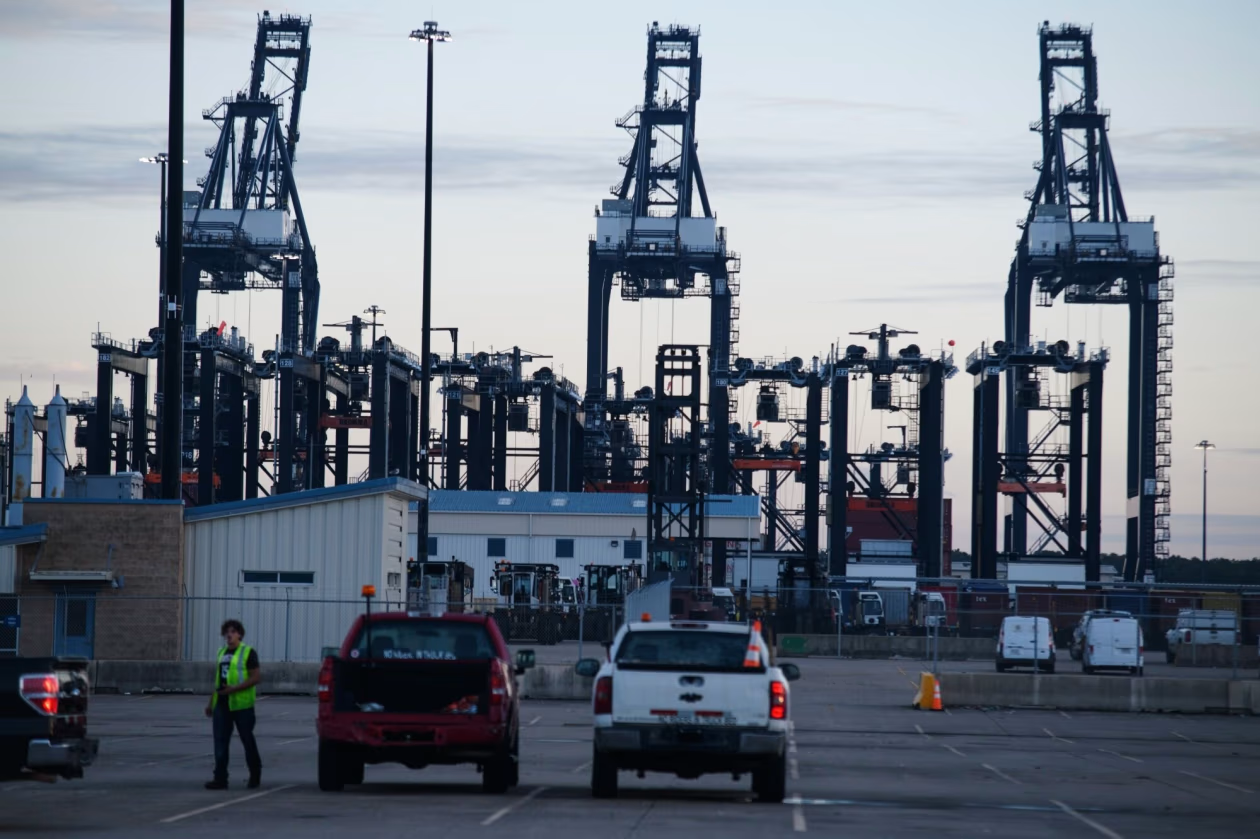
Efficiency Beyond Human Capabilities
Thanks to optimization algorithms, every crane movement is calculated to spend a minimum of time and electricity. The technology allows for the simultaneous management of an entire fleet of machines, where software independently distributes tasks between units of equipment based on their current location and battery charge level.
For Houston, implementing unmanned technologies has been a strategic response to global logistics challenges. The port demonstrates that automation is not just about saving money, but about creating sustainable, safe, and environmentally responsible infrastructure. Iron giants managed by algorithms have become a symbol of the new Port of Houston, where the power of steel combines with the intelligence of software code, guaranteeing Texas leadership in maritime trade routes.
Comparative Characteristics of Houston Port Modernization Stages
| Feature | Traditional Method (pre-2010s) | Robotized Model (2025-2026) |
| Crane Management | Manual, directly from the cabin | Remote or fully autonomous |
| Cargo Identification | Paper manifests, visual inspection | OCR scanning and RFID tags |
| Eco-friendliness | High diesel engine emissions | Electric drive, energy recovery |
| Processing Speed | Dependent on shifts and human fatigue | Stable 24/7 productivity |
| Data Analytics | Retrospective paper reports | Real-time predictive AI |
Unmanned Caravans and Intelligent Gates
The transportation network within the port zone is also undergoing a true revolution thanks to the implementation of autonomous cargo platforms. These mechanisms move without drivers, navigating using GPS and high-resolution lidars. In addition to internal movement, the Port of Houston is actively testing a “SmartGate” system that identifies tractors in seconds through license plate recognition and biometric data:
- Optical Character Recognition (OCR) for automatic reading of container numbers.
- Remote Weighing of transport without stopping movement.
- Radio Frequency Identification (RFID) for tracking every unit of special equipment.
- Integration with Customs Databases for instant permit processing.
This digitalization of the entry group has ended the multi-hour traffic jams at terminal approaches that were a curse for local carriers for years. The robotization of the document verification process eliminated corruption risks and accelerated capital turnover for exporters in the petrochemical industry—the backbone of the region’s economy.
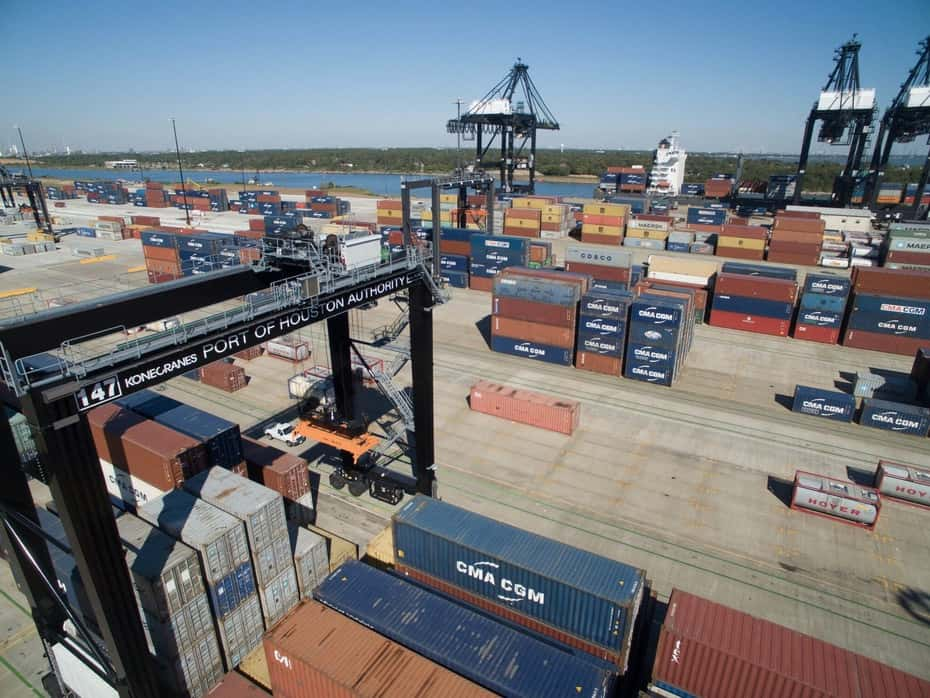
The Ecological Dimension of the Automated Harbor
Robotization brought an unexpected but vital bonus—a radical improvement in the environmental background around the Houston Ship Channel. Autonomous electric tractors do not emit harmful gases into the atmosphere, which is critical for a large metropolis.
Optimizing cargo flow routes via an artificial intelligence system reduces the total travel distance of equipment by thousands of kilometers every month. This leads to a reduction in the carbon footprint of the entire logistics chain. Energy efficiency is a priority: when lowering a load, cranes generate electricity that is returned to the port’s general grid thanks to regenerative drives.
The Port of Houston has committed to achieving net-zero harmful emissions by 2050, and robotization is the main tool for implementing this ambitious strategy. Water and air quality monitoring is conducted by autonomous drone systems that patrol the waters around the clock, instantly recording the slightest deviations from safety standards.
The Future of Labor in the Era of Autonomous Systems
The issue of machines replacing humans remains the most debated topic in Houston. Unions are engaged in complex negotiations with port leadership regarding job preservation. However, facts indicate a transformation of professions rather than their total disappearance. Old longshoreman specialties are evolving into positions for digital complex operators, systems analysts, and robotics maintenance technicians.
Texas training centers are already developing retraining programs for personnel, preparing specialists to interact with AI. Robotization takes on the most dangerous and monotonous operations, leaving the human in the role of a strategic controller and solver of non-standard situations.
An honest look at the situation shows that without innovation, the port would lose its competitive edge to other coastal hubs, leading to much greater losses in the long term. Houston chooses a path of symbiosis between high technology and human capital, where every fastening node is checked by a sensor, but the final decision remains with the specialist.
Sources:
- https://phdsoft.com/port-of-houston-will-use-c4d-phdsoft-digital-twin/
- https://www.projectcargojournal.com/ports-and-terminals/2024/06/26/port-houston-expands-hybrid-electric-rtg-fleet/
- https://tntglobal.com.vn/news/freight-news/port-houston-handles-nearly-3-5-million-teus-in-november.html
- https://www.kiewit.com/projects/houston-ship-channel-expansion-project-11/
