

Palo Duro Canyon, located in the Texas counties of Randall and Armstrong, is the second-largest canyon in the country (after the Grand Canyon). Its length is around 193 kilometers, and its maximum depth is 256 meters. It is the most beautiful and picturesque landscape in the Texas Panhandle. Read more about the Grand Canyon of Texas at houstoname.
Geological miracle
Palo Duro was formed over many thousands of years as a result of erosion of the Red River and associated weathering. The Spanish word “Palo Duro” means “hard stick” and refers to the canyon’s deciduous shrubs and trees.
The canyon’s steep slopes form layered rocky formations in shades of orange, red, brown, yellow, gray, maroon and white. The red color indicates the oxidation process. In these layers, archaeologists have found fossils of long-extinct animals and plants.
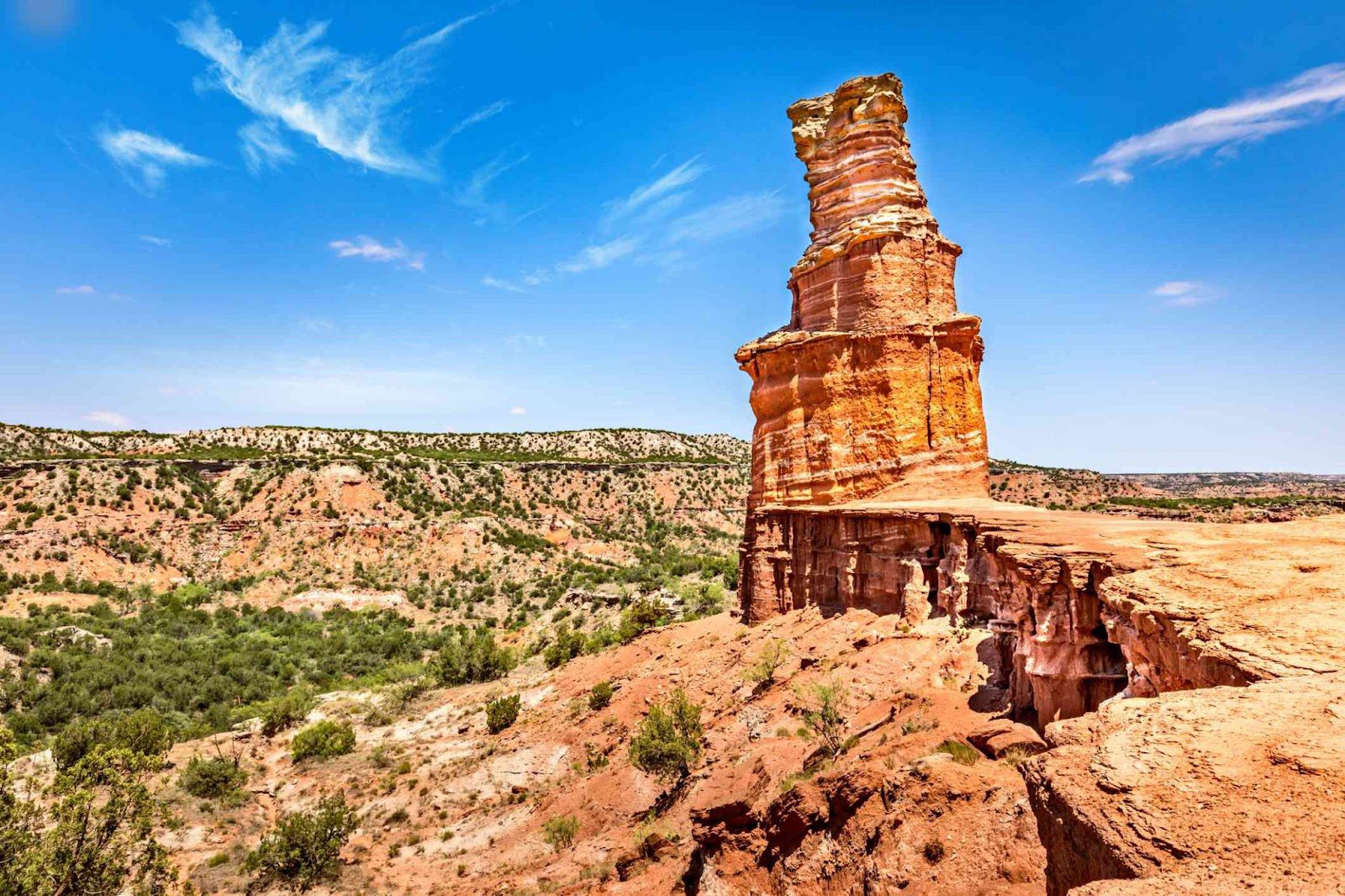
These popular Canyon formations are caves and erosion pillars (hoodoos), which are composed of relatively soft rock and covered with heavy and solid stones. The canyon’s scenic grandeur is enhanced by its various peaks. Each one is capped with erosion-resistant sandstone. One of the canyon’s most recognized sights is the Lighthouse Rock, which can be reached via a circular trail.
The canyon’s natural vegetation includes a variety of grasses and xerophytes (plants that can withstand prolonged droughts), such as prickly pear, yucca, juniper, etc. Along the river, willows and cedar trees grow.
First settlers
Due to its abundance of trees, water, wild animals, edible plants and protection from fierce winter winds, Palo Duro was a great choice for both prehistoric peoples and Native American tribes. The first inhabitants of this area (10000 – 5000 BC) hunted giant bison and mammoths. Archaeologists have discovered numerous shell tips, stone tools, mortar holes, paintings, engravings and other artifacts in the canyon.
In 1541, members of the Coronado expedition became the first Europeans to visit Palo Duro. The territory was then occupied by Apache Indians, who used bison for food and clothing. When the Plains Indians acquired horses in the eighteenth century, the Canyon became the main camp of the Comanche and Kiowa tribes. Merchants from the state of New Mexico frequently purchased goods from Native Americans.
In 1852, Anglo-American members of Captain Randolph B. Marcy’s expedition explored the canyon in quest of the Red River’s source. The Comanches and their allies camped here until 1874 when the U.S. Cavalry unexpectedly discovered tribal camps. The tribes fled, and US troops shot 1,400 ponies and burned all winter supplies, leaving the families no choice but to surrender.
In 1876, army engineers, racers and civilian draftsmen explored the Red River and studied the terrain to create topographic maps. They created an extraordinarily accurate model of the Texas Panhandle region and the canyon itself. That same year, Charles Goodnight moved a herd of cattle into the canyon, establishing the region’s first commercial ranch. By 1885, the ranch had 100,000 head of cattle.
For the following fifty years, the canyon was occupied by pastoralists. At the same time, it was a popular picnic and camping area among residents of the outskirts. In 1931, an influential landowner struck a two-year contract with the local chamber of commerce to grant public access to the canyon. Two years later, Texas officials purchased land at the top of the canyon in order to expand the national park. The first stage was to build a road to the canyon’s bottom.
Veterans and African Americans worked together to develop the park from 1933 to 1937. Picnic and camping sites have been created for tourists, complete with tables, benches, fireplaces and garbage cans. In 1976, the National Park Service recognized Palo Duro Park as a National Natural Landmark.
Things to do in the canyon
Palo Duro can be explored by foot, mountain bike, horseback or by car. Adventurers have the opportunity to explore nature, observe birds, admire the scenery and much more.
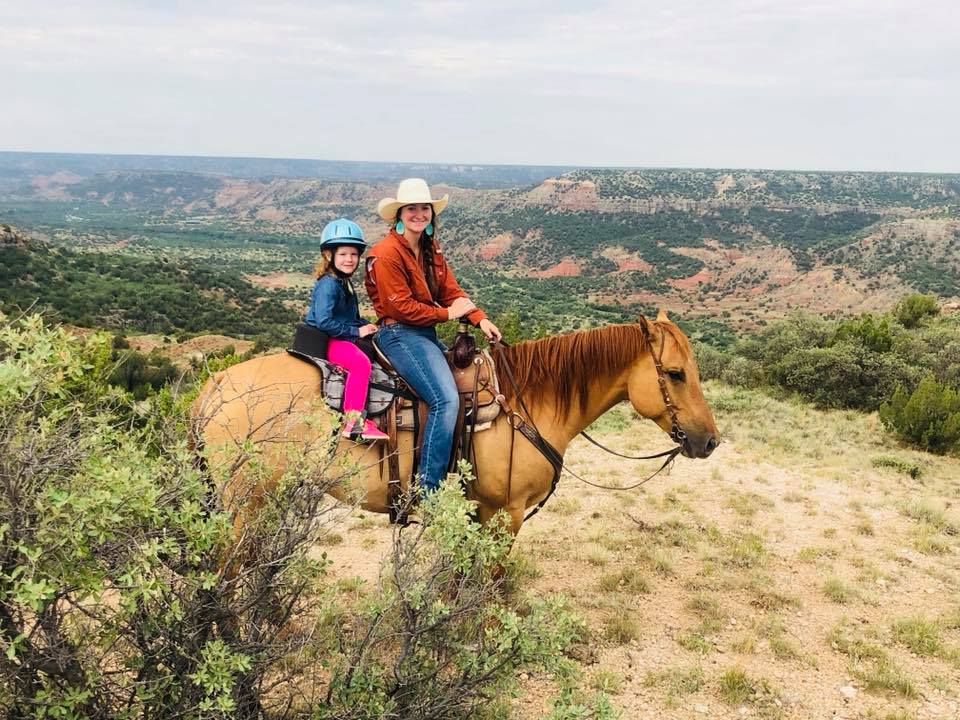
- Master the art of riding. Horseback riding is a common activity in the canyon. From March to November, Old West Stables offers guided horseback rides. Many trails are intended for leisure driving only. The equestrian area also features campsites.
- Discover hidden treasures using geocaching. Geocaching is a GPS-based tourist game in which players search for treasures. Palo Duro Canyon features various geocaching locations where you can have fun with your family or friends.
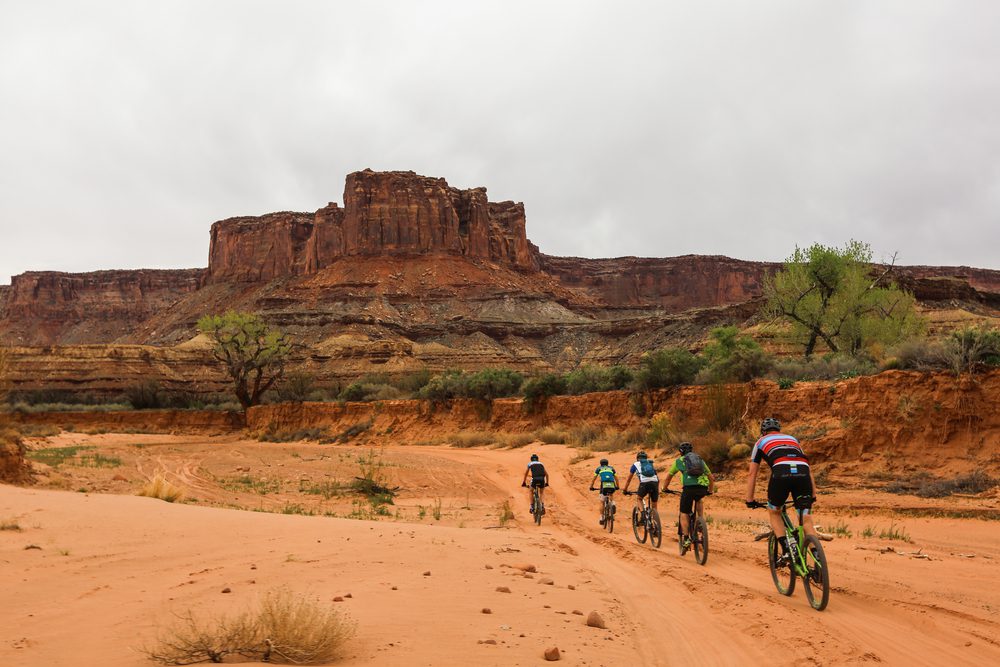
- Go for a mountain bike ride. Palo Duro has various mountain tracks for cyclists in the West Texas landscape. The Givens, Spicer and Lowry Trail, which winds through old stables and towering rock formations, is a favorite among athletes. Bicyclists can also reach the visitor center via paved roads, but they must exercise extreme caution when sharing the road with cars and other vehicles.
- Try your hand at hiking. The most popular activity in the canyon is hiking. Texas parks and wildlife trails vary in difficulty, from flat and easy to steep. Hiking even on paved roads allows you to observe fascinating fossils and wild animals such as coyotes, rabbits, deer and Barbary sheep. Hiking trails lead to ancient landslides, cave-like areas, historic civil structures and wildlife viewing platforms.
- Purchase souvenirs. In the canyon, you can buy handmade Indian ceramics, silver and turquoise jewelry, local paintings, books about West Texas and much more. For more souvenirs, camping supplies and lunches, visit the Palo Duro shopping center, gas station and bistro.
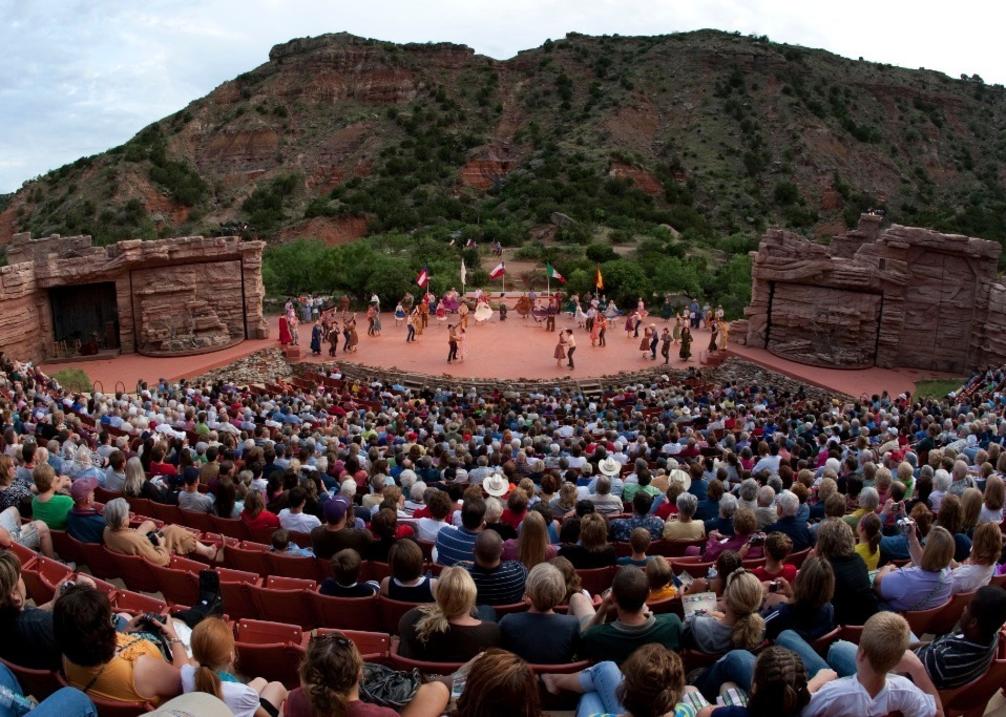
- Attend an open-air music performance. From early June until mid-August, the park’s amphitheater hosts the musical TEXAS Outdoor Musical. This musical event has been held annually since 1966. The outstanding cast explores themes of struggle, celebration, burial and politics among the early settlers, cowboys and Native Americans. The amphitheater features a huge paved free parking lot, drinks, snacks, souvenirs and photographs. People with disabilities can also access the facility easily.
- Rent cottages located on the outer edge of the canyon, which provide spectacular views of Palo Duro and sunrise.
Canyon Gallery
For those who enjoy learning, the canyon includes the Canyon Gallery, which was built in 1933 out of local stone and is still one of the most amazing structures in Palo Duro National Park. The gallery’s high windows provide breathtaking views of the canyon and its rock formations. The exhibition is filled with natural exhibits, archeological finds and pieces of southwestern art. Here, you will also learn about the geology that makes the Texas Panhandle so unique.
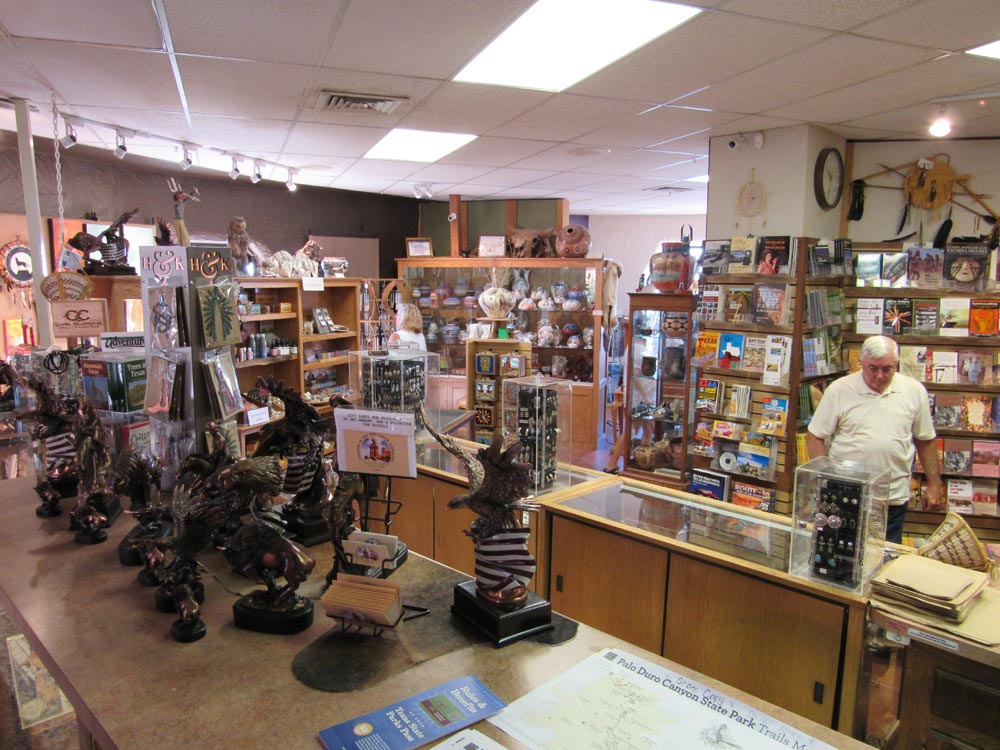
In addition to educational exhibits and an observation deck, the gallery offers a wide variety of books and gifts.