

The Lone Star State is famous not just for its cowboy culture and mouthwatering barbecue, but also for its breathtaking scenery. Texas literally spoiled travelers with a wide selection of magnificent mountain views, canyons and clean beaches. Discover a selection of Texas natural wonders at houstoname.
Hamilton Pool Preserve
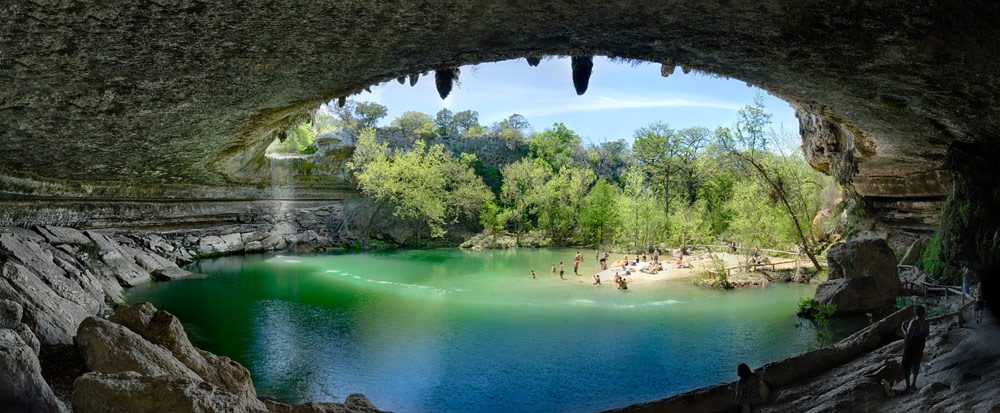
This natural basin was formed when the surface collapsed over an underground river. The scenic location draws visitors from all over the world, and the unearthly green waters accent the shadow of the cave, limestone rocks and cypresses. In the summer, the preserve is an excellent spot for swimming. Visitors can picnic on the beach or hike along the Pedernales River.
The pool is surrounded by massive limestone slabs, and large stalactites (mineral formations) sprout from the “ceiling” high above. Moss, ferns and rock swallows all dwell in the grotto, which is a karst form of relief. Warblers can also be found near the pool.
Padre Island National Seashore
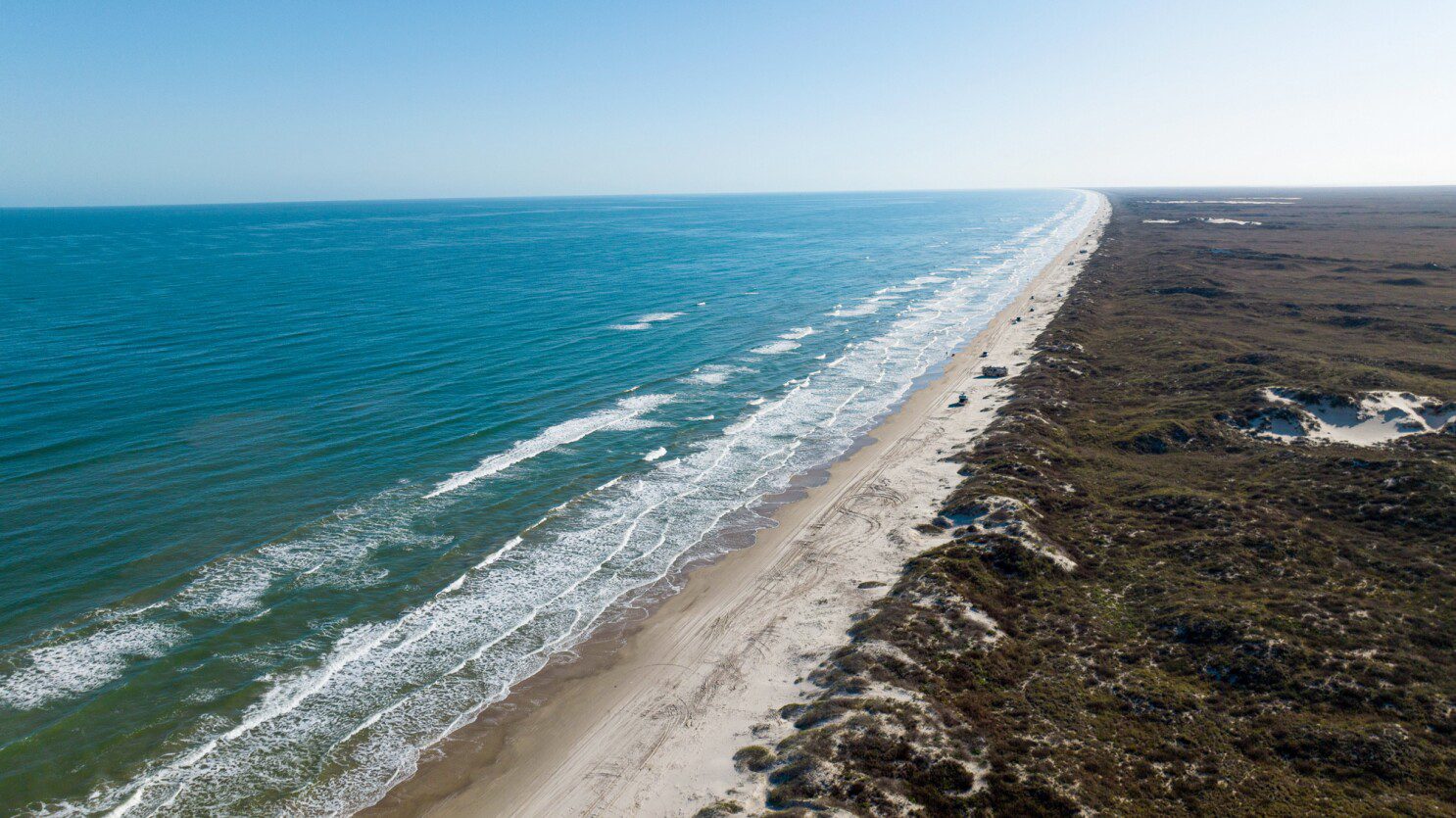
Padre Island is the largest barrier island in Texas, as well as the longest barrier island in the world. It is located on Texas’ southern Gulf coast and is well-known for its white sandy beaches.
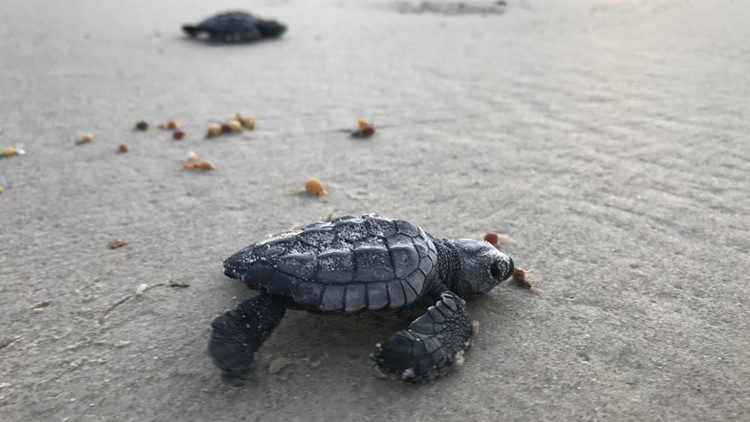
Padre Seashore is the world’s longest undeveloped barrier island, with a diverse mix of flora, fauna and recreation areas. You should take a stroll along the Grasslands Trail and immerse yourself in the world of rare animals and plants in a swampy landscape. Coyotes, deer, kangaroo rats and ghost crabs can all be found just a bit further from the beach. The lucky ones will see the hatching of sea turtles, whose lives begin in the open waters of the Gulf of Mexico. The island’s visitor center features an observation deck for watching wildlife.
Palo Duro Canyon
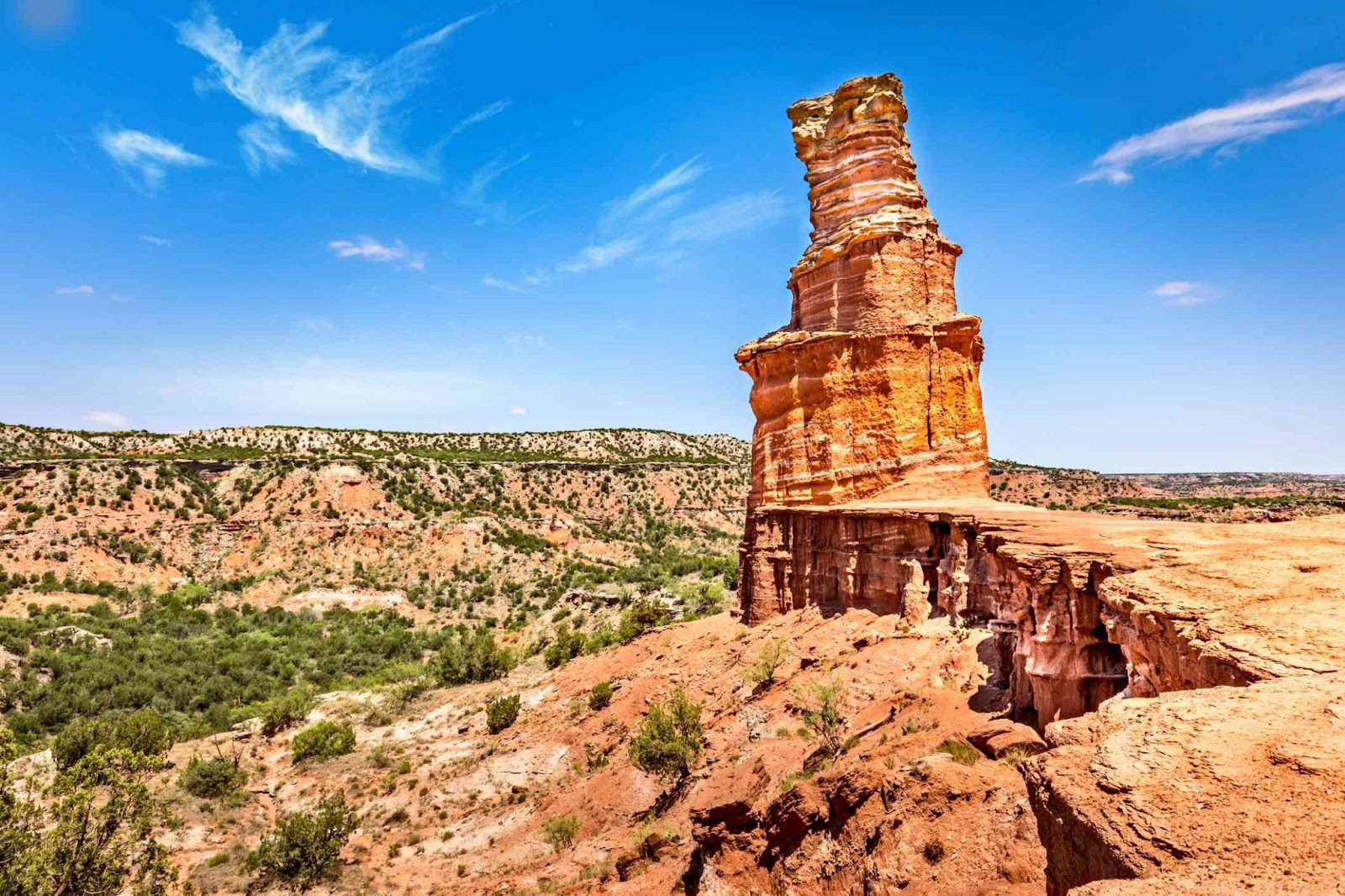
It is the second-largest canyon in the United States, after the Grand Canyon. Its length is around 193 kilometers, and its maximum depth is 256 meters. Palo Duro is the most beautiful and picturesque terrain in the Texas Panhandle, as well as a true geological wonder. This is a wonderful location for outdoor enthusiasts, commonly referred to as “The Grand Canyon of Texas”.
Palo Duro was formed over many thousands of years as a result of erosion of the Red River and associated weathering. The Spanish word “Palo Duro” means “hard stick” and refers to the canyon’s deciduous shrubs and trees.
The canyon’s steep slopes form layered rocky formations in shades of orange, red, brown, yellow, gray, maroon and white. The red color indicates the oxidation process. In these layers, archaeologists have found fossils of long-extinct animals and plants. The canyon’s natural vegetation includes a variety of grasses and xerophytes (plants that can withstand prolonged droughts), such as prickly pear, yucca, juniper, etc. Along the river, willows and cedar trees grow.
Take a walk along the hiking trails for breathtaking views, or if you’re an athletic person, ride a bike or horse along the paths.
Big Bend National Park
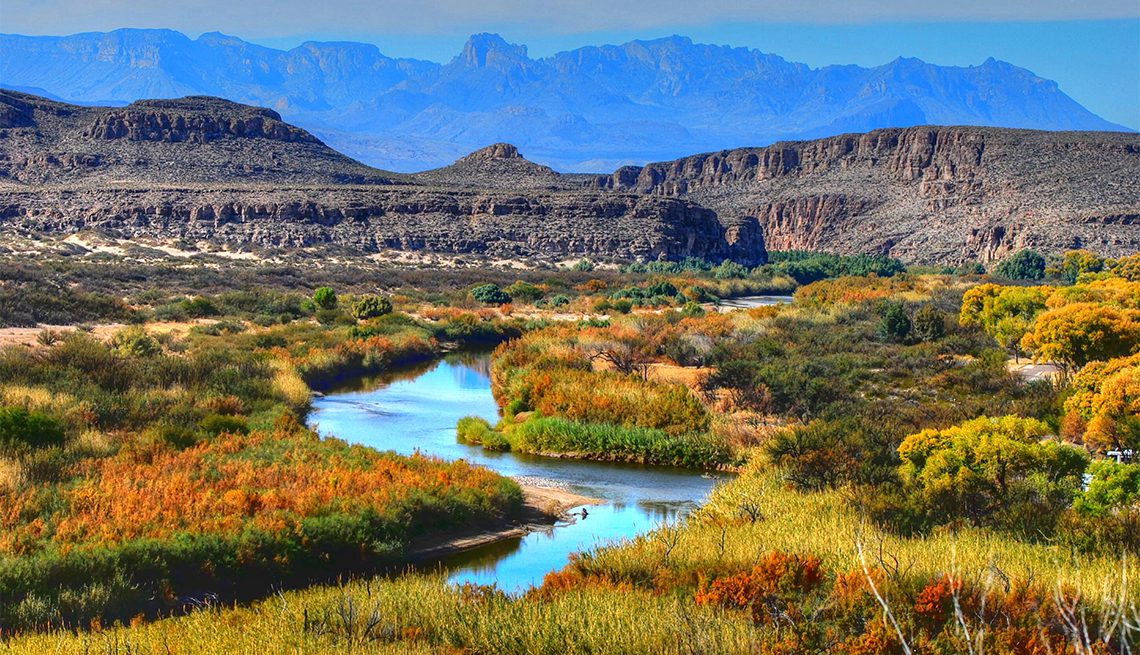
Big Bend National Park is one of the largest in the United States. The park is significant on a national scale since it is the largest Chihuahuan Desert protected area in the US. Visitors can enjoy a variety of outdoor activities here, including hiking, mountain biking, fishing, boating and wildlife observation.
It is unlikely that you will find greater views or more diverse fauna in Texas. In particular, the park provides a breathtaking view of the Mexican mountains and the surrounding Chisos Basin. Make sure to walk along the Rio Grande River to see the 300-meter-high cliffs.
Guadalupe Mountains National Park
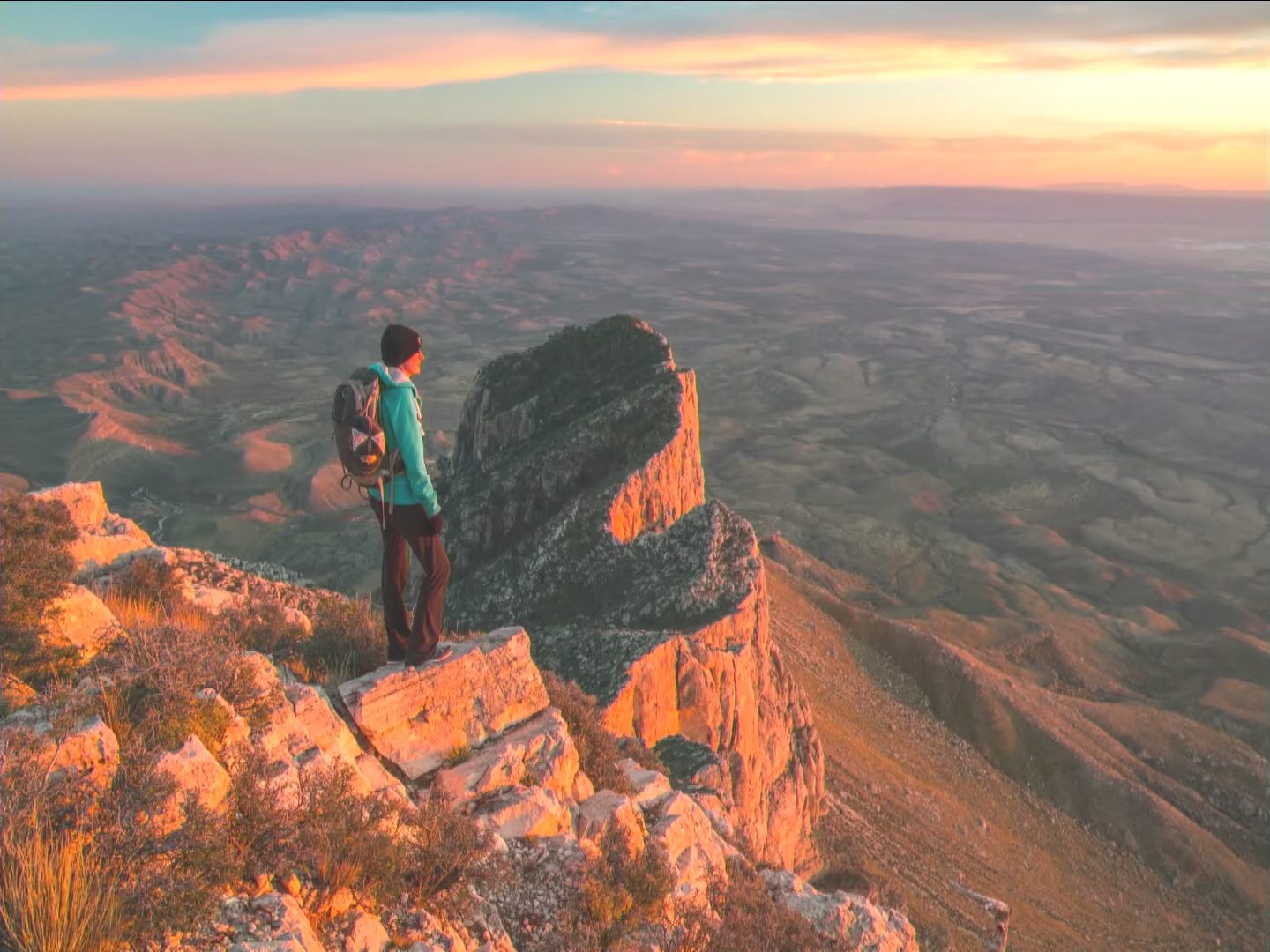
The Guadalupe Mountains are regarded as the world’s best example of a Permian-era fossil reef. The park commemorates the fact that the majority of modern-day Texas was once underwater. This is an unspoiled wildlife area perfect for outdoor activities such as walking, hiking, bird watching and horseback riding.
Those looking to set up camp for the night will find this area perfect for stargazing. In particular, it is worth climbing the famous Guadalupe summit, the highest natural summit in Texas (2,667 m).
Caddo Lake
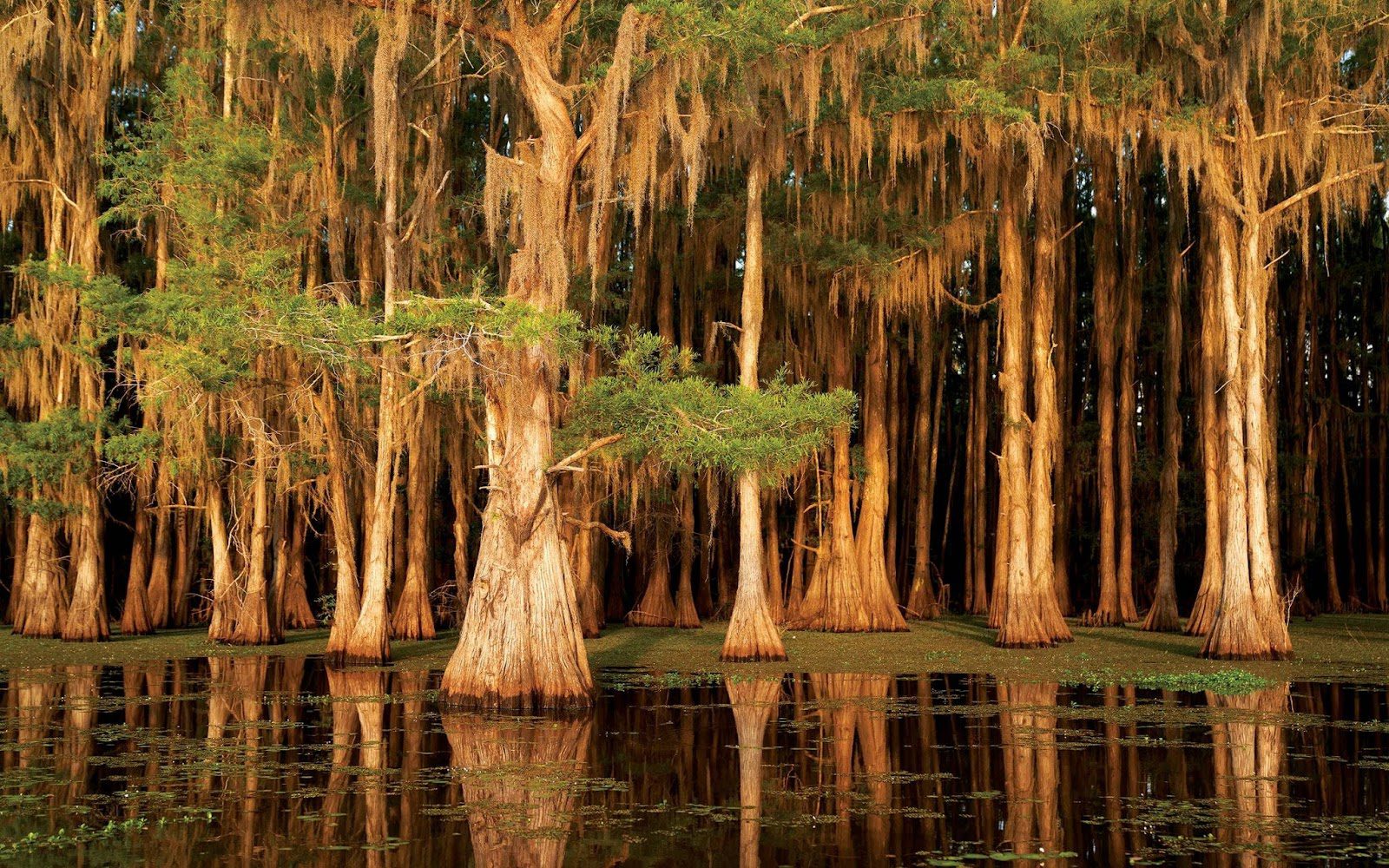
Caddo is the only natural lake in Texas located on the territory of the national park of the same name. It extends over Texas’ eastern border with the state of Louisiana. The territory is under protection since it is home to the world’s largest cypress forests.
The reservoir is surrounded by mountain ranges, bays and ponds. Canoeing and kayaking are popular activities since tourists can swim along the streams during the day while relaxing in one of the lovely cabins on site. The area also provides excellent fishing opportunities, since it is home to over 70 species of fish.
Colorado Bend State Park
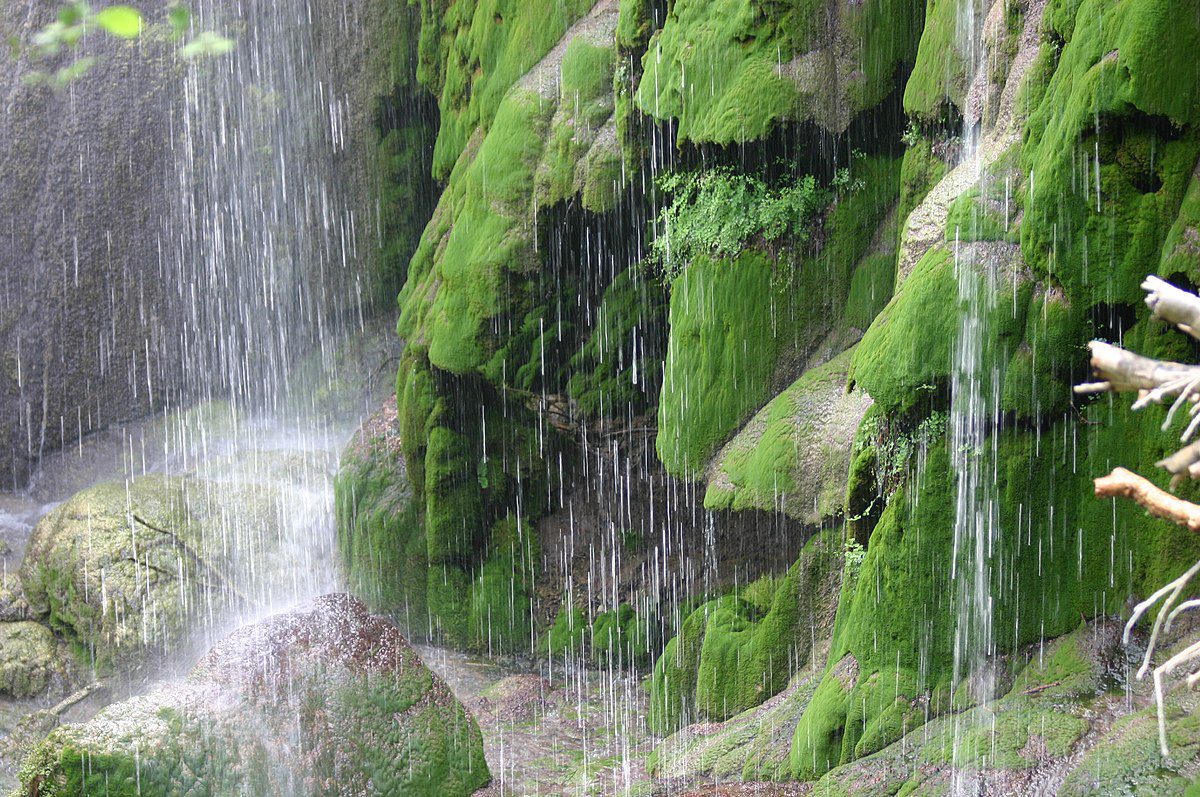
Colorado Bend is another natural marvel of Texas, offering stunning views. Even though the area is packed with picturesque landscapes, travelers are most commonly drawn to one attraction: the Gorman Falls. This hidden gem can be found in just over 2 kilometers via a ranch, rocky slope and treacherous moss-covered stairs. This spectacular waterfall cascades into a lush fern-covered grotto.
Jacob’s Well
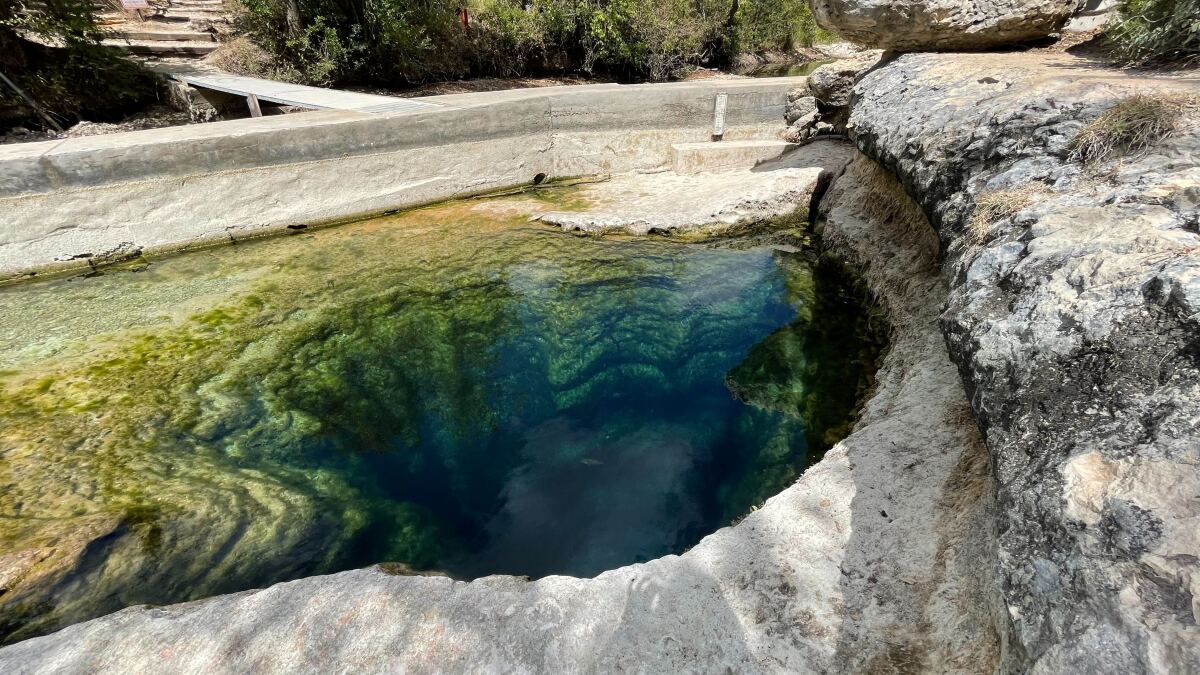
Jacob’s Well is a perennial karstic spring in the Texas Hill Country that has become a dangerous diving destination. Its mouth is a popular place to cool off. The natural wonder draws water from an aquifer before sliding beneath the surface, making it one of the state’s longest underwater caves.
Every minute, thousands of gallons of water flow through the well, making the water source ideal for swimming. Exploring deep caves is a perilous activity that only the most daring adventurers attempt. The spring has a depth of around 10 meters, but infinite branches arise from the bottom, which has not been fully explored. Many divers who attempted to study it died because they lacked experience utilizing specialized techniques and equipment.
At the same time, Jacob’s Well is a historical site since it was formerly a gathering place for Native Americans and the first settlers. According to legend, it was here that Jesus met the Samaritan woman, which was recounted in the Gospel of John.
Natural Bridge Caverns
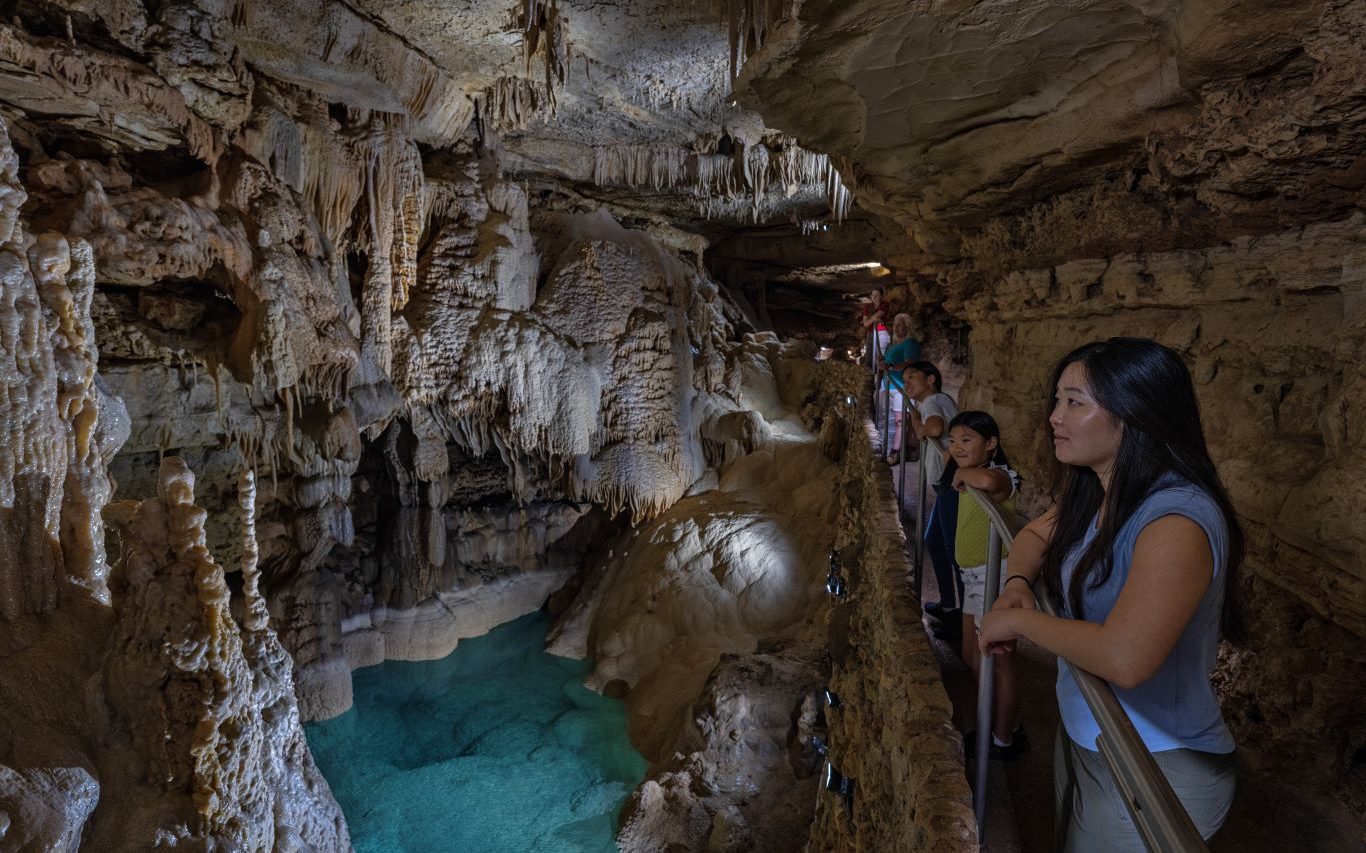
These are the biggest tourist caves in Texas. Their name refers to the natural limestone slab bridge that spans the amphitheater at the cave entrance. The Natural Bridge Caverns contain one of the largest collections of calcite crystal formations. This location is great for outdoor enthusiasts of all ages.
Rio Grande
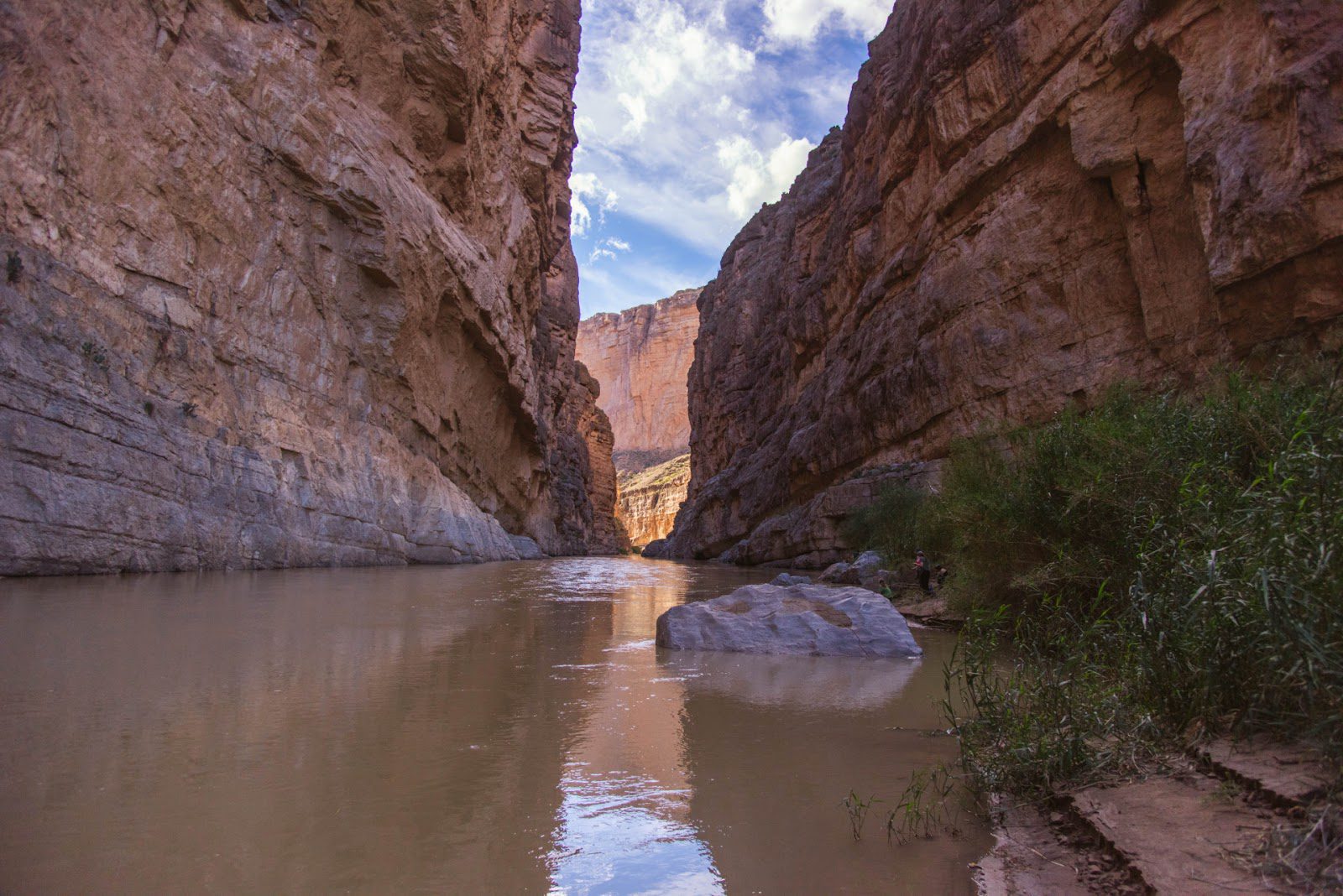
The Rio Grande is one of Texas’ most popular tourist sites, offering a variety of river canyons and outdoor activities. The free-flowing river captures everyone’s attention with towering limestone barriers. Rowing in the Rio Grande canyons will definitely appeal to those who love adventure. Interestingly, in the nineteenth century, Texas slaves swam across the Rio Grande to Mexico, fleeing in search of freedom.