

In an 1836 newspaper advertisement, Houston’s founders the Allen Brothers, provided a stunning and vivid vision of the prospects that awaited the first settlers of the newly created city. The Allens boasted about the precious resource provided by the Buffalo Bayou River – plenty of clean drinking water, which was critical to the population. However, the actual situation with drinking water in Houston, which occurred over the following decades, proved to be more complicated than the alluring Allen brothers ad promised. Read more at houstoname.
Tanks, barrels and wells
As the city expanded, its inhabitants sought out an increasing amount of water sources. Many citizens collected rainwater in cisterns, which was later used for household purposes. Until the early twentieth century, some dwellings had cisterns. Other residents drilled shallow wells or used barrels to store water.
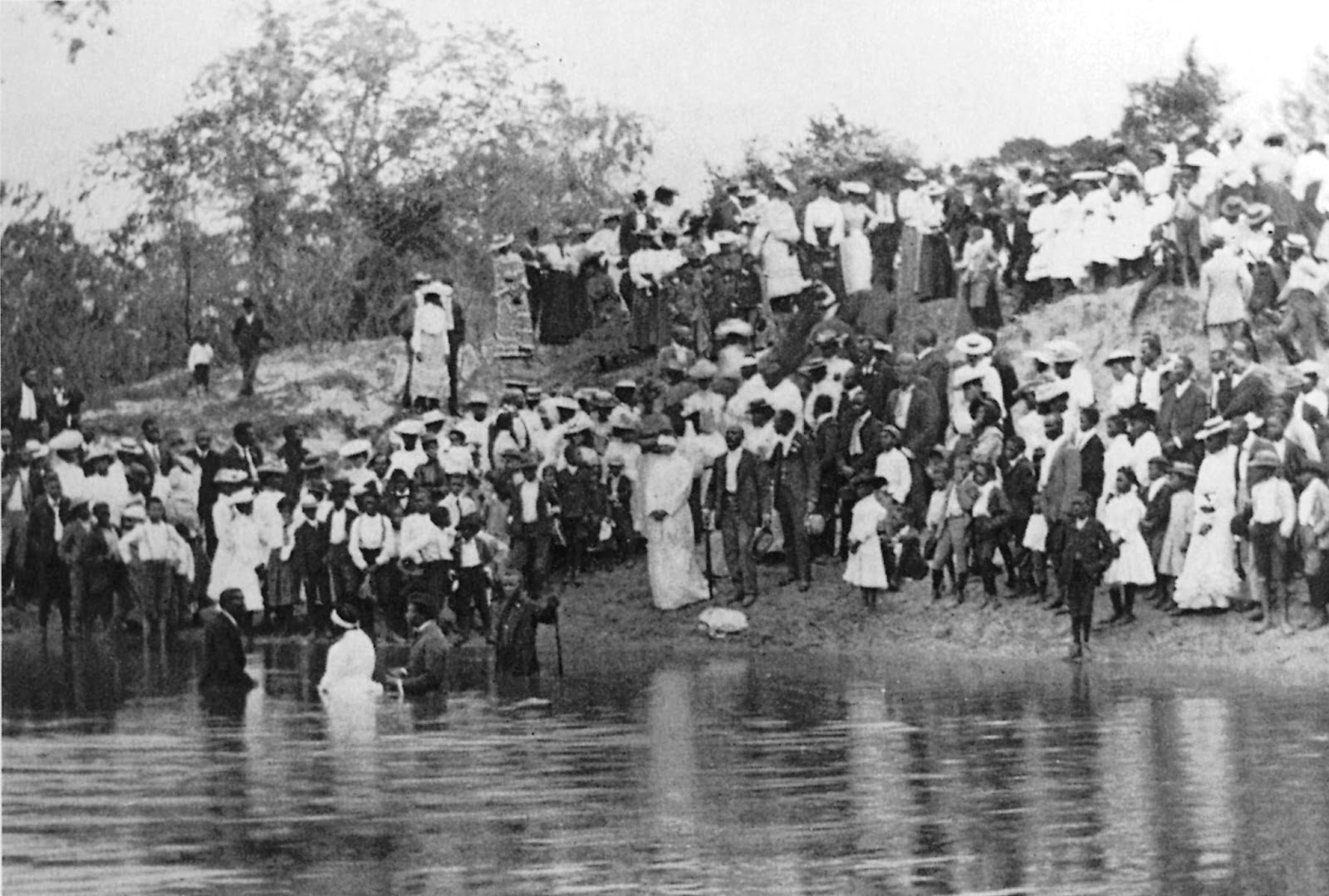
The reservoirs that the city of Houston encompassed provided water for firefighting and manufacturing needs. In 1878, a disastrous fire broke out in City Market, and there was not enough water to extinguish it. Gradually, residents realized that the existing methods of water supply and storage were insufficient to meet the population’s needs.
First water supply stations and plants
To address the issue, the city authorities held a meeting with James M. Loweree and New York partners. They aimed to create a water supply system that would pump water straight from Buffalo Bay. The city negotiated a 25-year contract with the New York-based Houston Water Works Company, which provided Houston access to a certain number of reservoirs and hydrants as well as free water for three public fountains.
In September 1879, the Houston Water Works Company also constructed a dam on Buffalo Bay, installed water pipes and began pumping water to Houston residents. In 1884, the New Yorkers sold the company to a group of investors led by former Houston Mayor Thomas Howe Scanlan. Scanlan and his company invested in new pumps and boilers, which increased pump capacity to 8,000,000 gallons per day.
However, the system proved unreliable when a series of devastating fires occurred between 1880 and 1900. In 1901, a fire wrecked City Hall and City Market. The fatalities and damaged property demonstrated a significant malfunction in the operations of water supply facilities and brought attention to their incapacity to supply the people of Houston with clean drinking water and adequate water pressure.
In 1887, Henry Thompson built an artesian well in Houston, providing access to a large underground water reservoir. Soon, 14 more wells were drilled across the city, from which fresh clean water was pumped. However, even the extension of the water plant’s well system failed to meet the water demands.
In the case of an emergency, water was pumped from Buffalo Bayou via the mains and then combined with groundwater to generate enough pressure to put out fires.
Terrible unsanitary conditions
In the 1890s, residents started complaining about the quality of drinking water, accusing the Houston Water Works Company of combining clean artesian groundwater with contaminated water from the Houston water supply system. According to the Houston Daily Post from 1895, the waters above the city dam were a blend of human waste, a smallpox graveyard and a dead cow.
Over the next decade, concerns about the quality of urban water persisted. Signs of a neglectful attitude toward people’s drinking water were discovered on a regular basis. For instance, in 1903, the women’s ward of a police station faced a water pipe blockage caused by a dead eel.
In 1906, an amusing but revealing case verified the townspeople’s concerns. A young girl was walking one of Houston’s streets when she stumbled across a fish gushing from a broken main. She caught some of the fish in a jar and brought it to the mayor’s office as evidence of water supply issues. Water supply workers then repaired the damaged main line, which included removing catfish from the pipe. The Houston Post humorously reported:
Since catfish is not found in artesian water, and given the fact that the company claims to supply pure artesian water, the ‘catch’ is considered quite remarkable.
On October 6, 1906, the city purchased the Houston Water Works Company from its president Scanlan and his business partners, acquiring a water plant, 55 wells and 65 miles of mains. The newly formed Water Department drilled 66 additional artesian wells. Following that, the water quality in Houston improved dramatically.
After the public’s trust in the water supply system was restored, the Water Department started working to fulfill the population’s ever-increasing demand for drinking water. The city installed water meters in residences and started charging for water consumption. Subsequently, three additional pumping stations were installed in Houston, and the Buffalo Bay water plant was greatly expanded. July 20, 1925, marked a historic event as a record-breaking 20,000,000 gallons of water were pumped into the city for the first time!
Expansion of the water system during the war
In the latter half of the twentieth century, the Water Department constructed new wells to supply water to the city’s pumping stations. In the run-up to World War II, it became clear that city authorities needed to devise long-term solutions and discover additional water resources. In order to guarantee consistent supply, city officials were given permission to use adjacent lakes and rivers.
Between 1945 and 1954, the city purchased two canals that connected the San Jacinto River to the Houston Ship Canal, and a dam was built across the San Jacinto River to form Lake Houston in the community of New Caney. This lake has become a consistent source of pure water for the surrounding area.
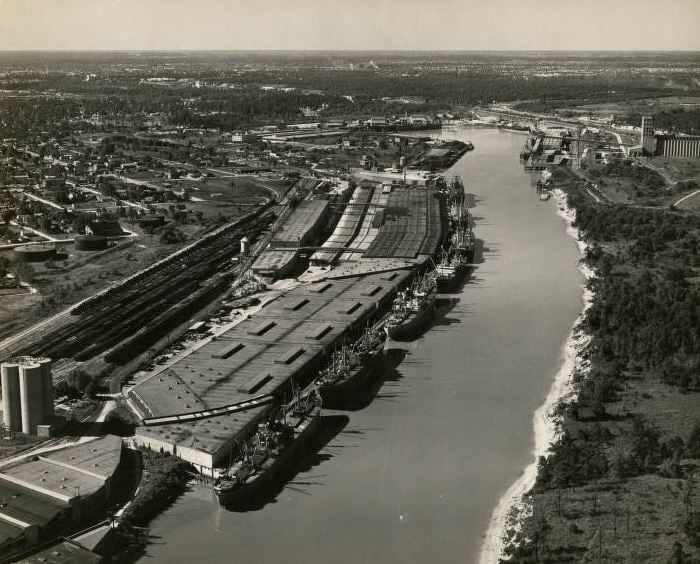
Houston Ship Canal
Houston’s first water treatment plant, the East Water Purification Plant, processed water from Lake Houston that came through the West Canal. Subsequently, the city obtained a portion of the water rights to Lake Livingston, which was constructed in 1969 near the city of Livingston, and Lake Conroe, constructed in 1973 near Montgomery.

Lake Conroe
The Southeast Water Purification Plant began pumping water in 1990, while the newest Northeast Water Purification Plant opened its valves in 2005. Houston, as the fourth-largest municipal water supplier in the United States, began to provide water not just to the city but also to neighboring counties adjacent to Harris County.
So, where is the source of the tap water in Houston?
The city gets its surface water from local lakes and rivers. The majority of the water flows from the Trinity River to Lake Livingston, and from the San Jacinto River to Lakes Conroe and Houston.
Houston’s water is treated for micro-organisms and toxins to extremely high standards. Houston water is safe to drink, but it is extremely hard and mineral-rich, therefore it is not suitable for everyone due to this, as well as the chlorine treatment. This issue is addressed by utilizing filters, which considerably lower the risk of contamination. The presence of minerals also results in limescale on kitchen appliances.
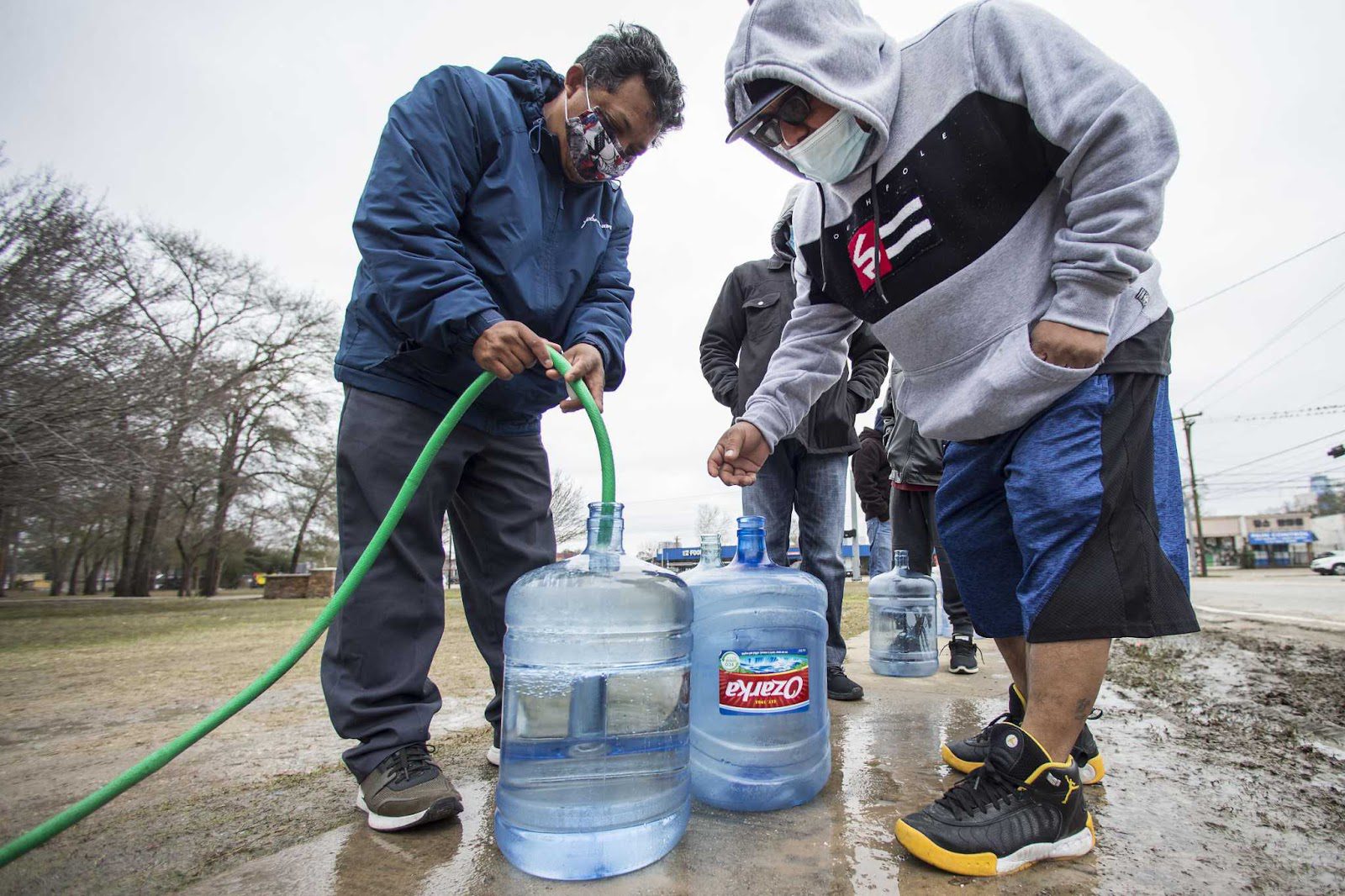
All Houston restaurants offer free tap water, which is usually filtered. You may find bottled water practically anywhere: some of it is filtered tap water from nearby sources, while some is natural mineral water.