

Houston is widely considered the world’s oil and gas capital, confidently holding the top spot. But to stay ahead of the curve, the city must embrace new trends. Today, Houston is gradually moving towards a new energy era. It’s increasingly being called the future hub of the U.S. hydrogen economy. The city boasts a powerful infrastructure, research institutions, and companies that are already pouring billions of dollars into developing technologies that could shift the global energy balance. The move to hydrogen isn’t just about innovation; it’s Houston’s chance to maintain its leading role in the energy sector amidst climate challenges and a growing demand for “clean” energy. We’ll explore the achievements and challenges further on houstoname.
Green Hydrogen: Why It’s So Special
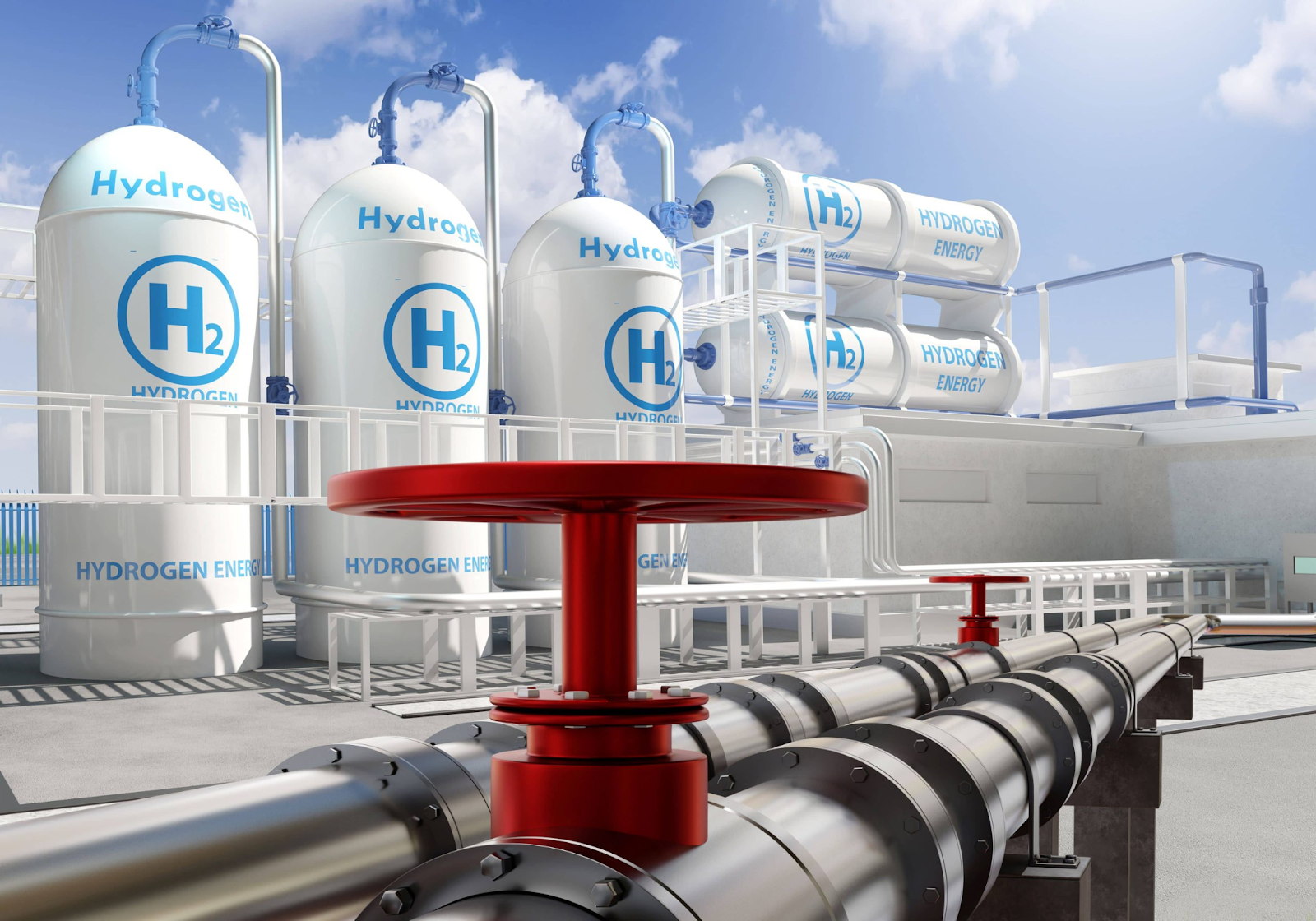
Hydrogen (H₂) is the most abundant chemical element in the universe, and most importantly, it’s a clean energy source. The simplest way to explain how green hydrogen is produced is to think of it as “splitting water.” The process is called electrolysis. Using electricity generated from solar panels or wind turbines, water molecules (H₂O) are split into hydrogen and oxygen. Think of electricity as the “knife” that cuts the water molecule in half. Once split, the hydrogen is collected, and the oxygen, a byproduct, can be safely released into the atmosphere as it’s harmless to the environment.
When burned, hydrogen releases only water vapor, without polluting the atmosphere with harmful emissions. This makes it an ideal candidate for combating climate change. However, the main challenge is that hydrogen needs to be produced, and this process can be either clean or “dirty.” When hydrogen is produced using renewable energy sources (sun, wind), it’s called green hydrogen. Unlike other types of hydrogen, its production doesn’t involve carbon dioxide emissions, making it a key element in the fight against climate change.
Future Prospects
Green hydrogen has immense potential and is already being used in various sectors.
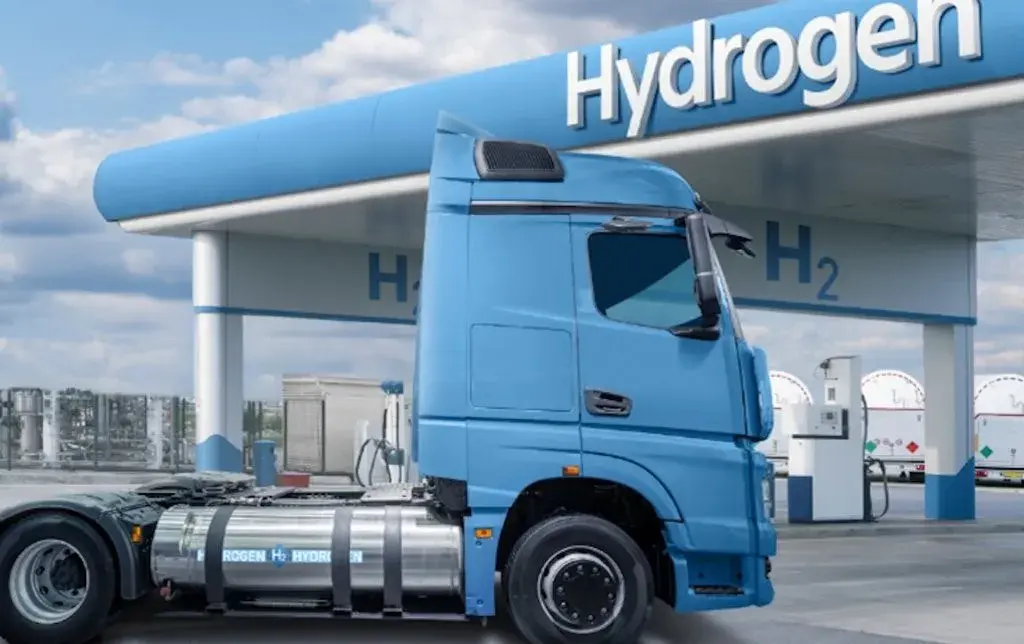
- Transportation. Hydrogen fuel cell buses, trucks, and even trains are becoming increasingly popular. They’re fueled by hydrogen, which is converted into electricity in the fuel cell, with the only emission being water vapor.
- Energy. Hydrogen can be stored and then used to generate electricity when the sun isn’t shining or the wind isn’t blowing. It can act as a flexible battery for large energy systems.
- Industry. H₂ has long been used in industrial processes (e.g., ammonia production), but transitioning to green hydrogen will make these processes cleaner.
Overall, green hydrogen is special because it’s not just a fuel; it’s a clean and flexible solution capable of transforming entire industries and helping humanity achieve climate goals. It’s the energy of the future that’s already becoming a reality.
Massive Investments and Large-Scale Projects
The U.S. government has allocated a staggering $1.2 billion to Houston for the creation of one of the country’s largest hydrogen production and transportation hubs. This project, known as HyVelocity Hub, brings together over 40 companies, universities, and government organizations. Together, they will work to transform Texas into a global leader in hydrogen energy.
The project’s main goals include.
- Green Hydrogen Production. Building powerful electrolysis facilities that will split water into hydrogen and oxygen using electricity from solar and wind power plants.
- Infrastructure Development. Expanding pipelines for H₂ transportation and constructing specialized storage facilities to ensure uninterrupted supply.
- Hydrogen Applications. Developing new technologies for hydrogen use in various sectors—from industry (e.g., steel or ammonia production) to transportation (buses, trucks, trains with fuel cells).
This investment is more than just a shift to clean energy. It’s a fundamental change in the city’s economic model. Houston, which became a magnet for oil and gas companies due to its infrastructure and skilled workforce, can now attract companies specializing in hydrogen. This creates new jobs, fosters scientific research, and opens doors for innovation.
Of course, it’s not all smooth sailing. Many challenges lie ahead. Issues such as the high cost of green hydrogen production, as well as safe storage and transportation, need to be addressed. However, given the immense investments and collaborative efforts, Houston has every chance to become a true center of the hydrogen revolution.
Prospects and challenges
| Advantages | Challenges |
| Powerful energy infrastructure (oil and gas companies, port, research centers) | High cost of “green” hydrogen production |
| Experienced engineers and scientists in the energy sector | Insufficient development of hydrogen infrastructure (filling stations, transportation) |
| Support from businesses and investment programs | Need for government regulation and financial incentives |
| Potential to create thousands of new jobs | Public skepticism about the safety and efficiency of hydrogen |
| U.S. leadership in global competition for clean energy | Complexity of integrating hydrogen technologies into industries that rely on fossil fuels |
Houston’s transition to the hydrogen era seems like a logical continuation of its energy history. At the same time, the challenges of high technology costs and the need for large-scale government investments remain significant. But even despite these, Houston has the chance to transform into a global center for hydrogen energy and set the tone for a new industrial revolution. If the city can realize its full potential, it will retain its title as the energy capital of the world, but in a wholly different, more environmentally friendly dimension.
