

Driverless cars, autonomous drones, and other robotic vehicles are no longer science fiction. They are on the verge of transforming urban infrastructure, and Houston, as one of the largest metropolitan areas in the U.S., is the ideal testing ground for these innovations. The adoption of such systems promises a revolution in transportation safety, efficiency, and accessibility. However, this transition also comes with numerous engineering challenges that need to be addressed. We’ll delve into the intricacies and potential pitfalls of this topic on houstoname.
First Steps Towards the Future
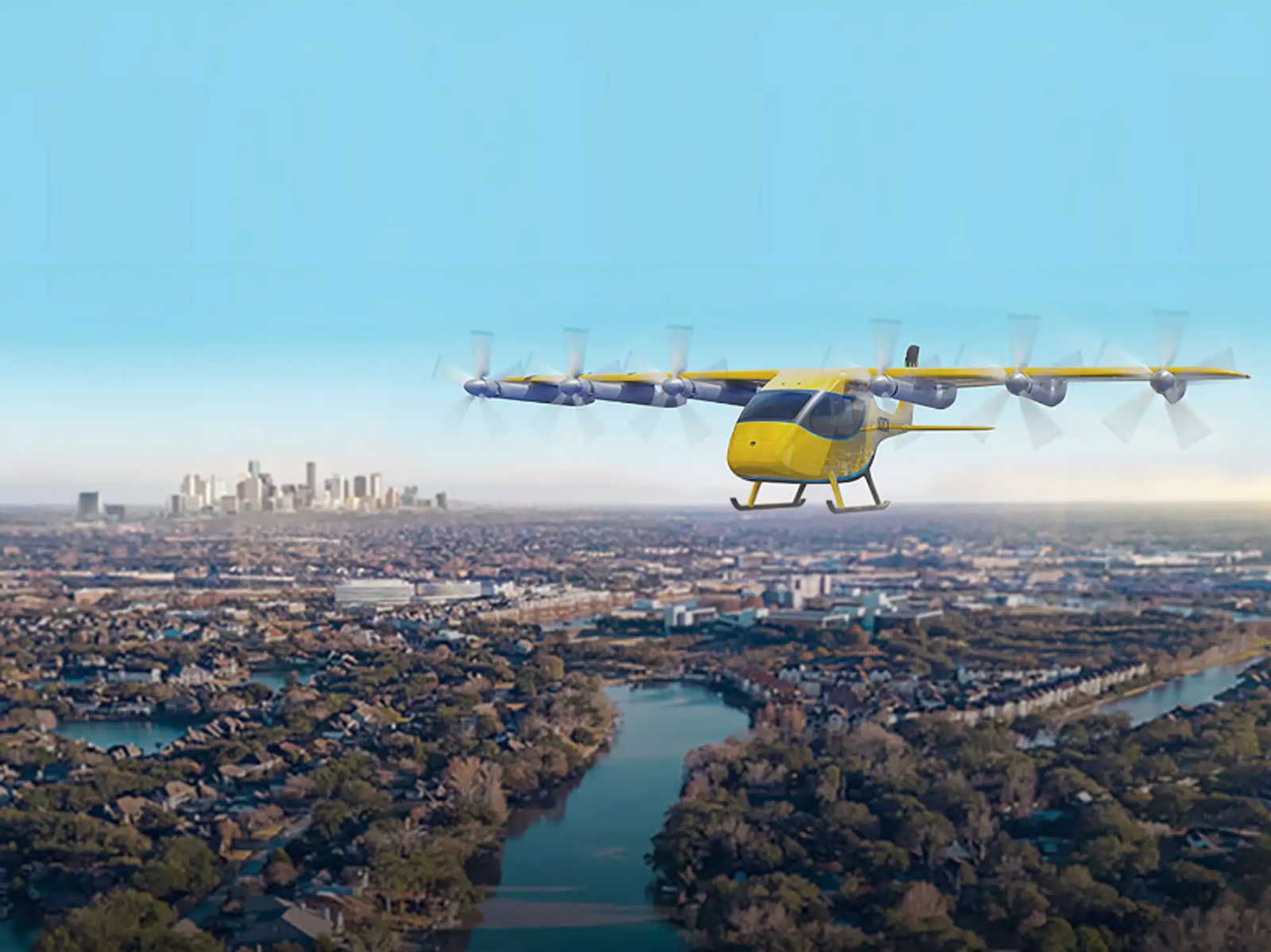
Imagine a future where, instead of the usual traffic jams and rushing drivers, the roads are filled with driverless cars, buses, and even drones delivering packages in record time. This isn’t a fantasy from the pages of Asimov or Heinlein. The process of integrating autonomous vehicles into the city’s infrastructure is already underway in Houston. This integration is more than just a technological upgrade; it’s a complete transformation that requires rethinking the road network, regulatory frameworks, and public attitudes toward mobility. While there’s still a lot to be done, the foundation has been laid, and Houston can already boast some impressive early wins.
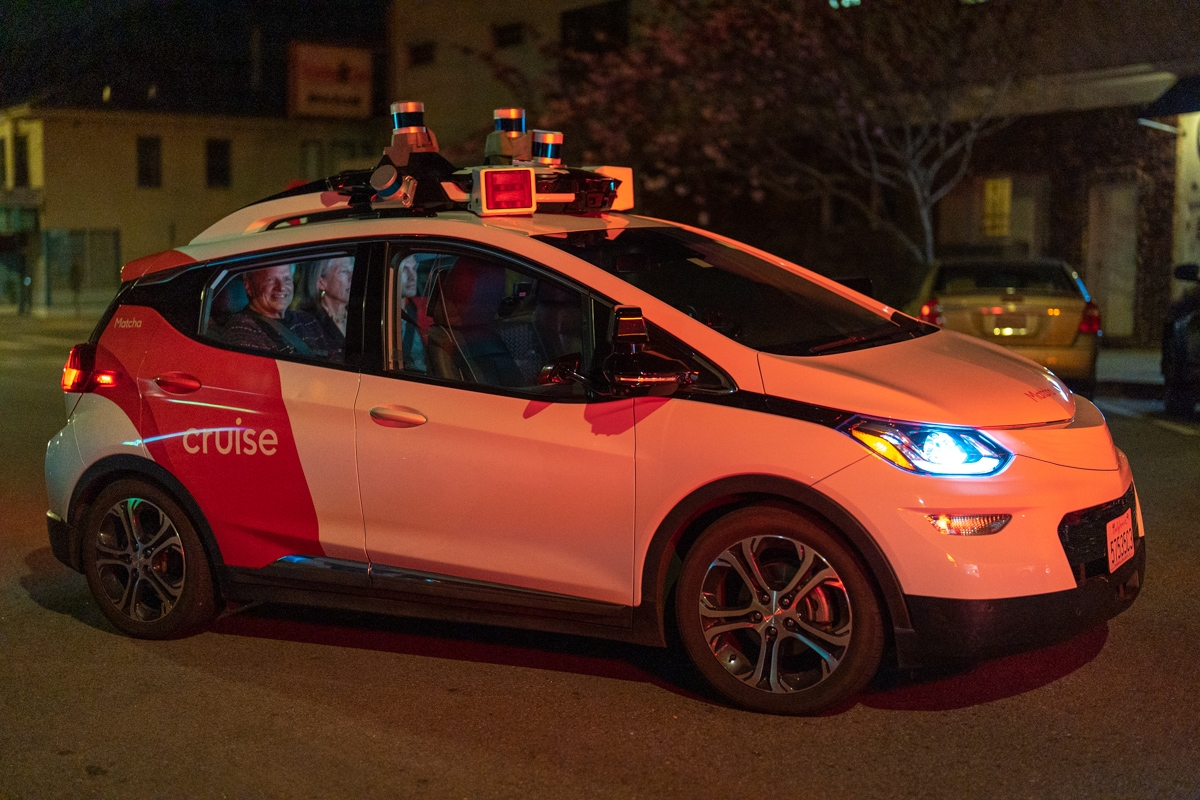
- Testing Driverless Taxis. In 2023, Cruise, a subsidiary of General Motors, received a permit for the commercial operation of driverless taxis in certain areas of Houston. Initially, the cars operated at night when traffic was lighter and were restricted to specific zones. This allowed the company to collect critical data and evaluate the systems’ performance in real-world conditions. In 2024, the coverage area was gradually expanded to include more bustling neighborhoods like downtown and the Galleria area. These vehicles are equipped with cameras, LiDAR, and radars, enabling them to navigate safely through the urban environment.
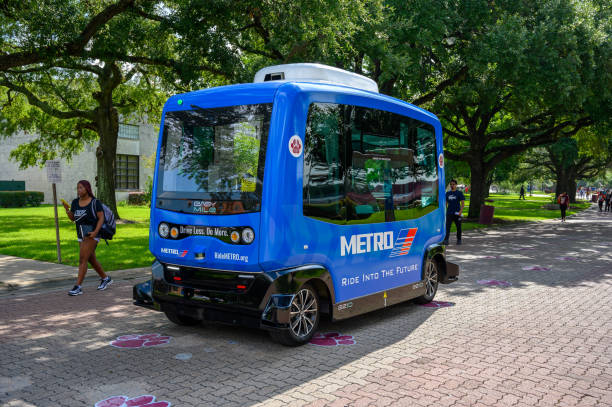
- Autonomous Buses. The University of Houston has become a testing ground for autonomous shuttles. They operate on campus, transporting students and faculty between buildings, parking lots, and dormitories. This reduces the strain on traditional public transit and serves as a clear example of how autonomous systems can integrate into closed ecosystems with predictable routes. These buses follow a predefined route and are monitored by a dispatcher, which ensures a high level of safety.
- Infrastructure for Driverless Trucks. Houston is a crucial port and logistics hub. Companies specializing in autonomous technologies, including Aurora and TuSimple, are testing driverless trucks on the highways connecting the port to logistics centers. These systems minimize human involvement in routine long-distance transportation, which lowers fuel costs and improves safety. While a human engineer-driver is still present in the cab for supervision, the data collected from these trips is critical for achieving full automation in the future.
Evolving Our Roads
A vital step toward the future is modernizing road infrastructure. Houston is already running pilot projects that equip roads with sensors to collect data on traffic, weather conditions, and pavement conditions. This information is transmitted in real-time to centralized systems that, in turn, communicate with autonomous vehicles. This data exchange optimizes traffic flow, prevents congestion, and helps avoid accidents.
Other important initiatives include:
- Installing smart traffic lights that automatically adjust signal timing based on traffic density.
- Creating dedicated lanes for autonomous shuttles that will run between key hubs like airports and business centers.
- Developing driverless delivery services, which will reduce the number of commercial vehicles on the roads.
Legal and Social Considerations
The integration of autonomous systems brings not only technological but also legal and social challenges. Houston, like other cities, must develop clear regulations for the operation of autonomous transportation. This includes addressing liability in the event of an accident, ensuring the cybersecurity of control systems, and protecting personal data. Autonomous vehicles are essentially computers on wheels connected to a network. They are a potential target for cyberattacks that could lead to system failure, hijacking, or data theft. This necessitates the creation of robust cybersecurity systems, which is one of the most complex tasks ahead.
Furthermore, public distrust needs to be overcome. People are often wary of driverless cars, viewing them as unreliable. To address this, informational campaigns and demonstration drives are being conducted to show how safe this technology is. The gradual introduction of driverless taxis and public transit will help build trust and foster acceptance of these innovations.
Economic and Environmental Impact
The transportation of the future promises significant economic and environmental benefits. According to research, autonomous vehicles consume less fuel because their movement is smoother and more optimized. This, in turn, leads to a reduction in harmful emissions.
| Feature | Traditional Transportation | Autonomous Transportation |
| Fuel Efficiency | Lower | Higher (due to optimized movement) |
| CO₂ Emissions | Higher | Lower |
| Traffic Congestion | High | Significantly lower |
| Parking Needs | High demand | Potential reduction |
| Safety | Depends on human factors | High (minimizes human error) |
Thus, the future of transportation engineering in Houston is not just about modernization but about a complete paradigm shift that promises to make the city safer, greener, and more efficient.
The Opportunities Offered by Autonomous Systems
- Increased Safety. Research from the National Highway Traffic Safety Administration (NHTSA) indicates that over 90% of all traffic accidents are caused by human error. Autonomous systems that use LiDAR, radar, cameras, and AI to analyze road conditions can significantly reduce accidents by eliminating factors like inattentiveness, fatigue, or impaired driving.
- Optimized Traffic Flow. Autonomous vehicles can communicate with each other and with road infrastructure to synchronize movement and prevent congestion. In a city like Houston, known for its traffic problems, this would dramatically cut down on travel times and reduce carbon emissions, improving air quality.
- Transportation Accessibility. Autonomous systems offer new opportunities for people with disabilities, senior citizens, and those who do not have a driver’s license. This promotes greater social inclusion and mobility for the population.
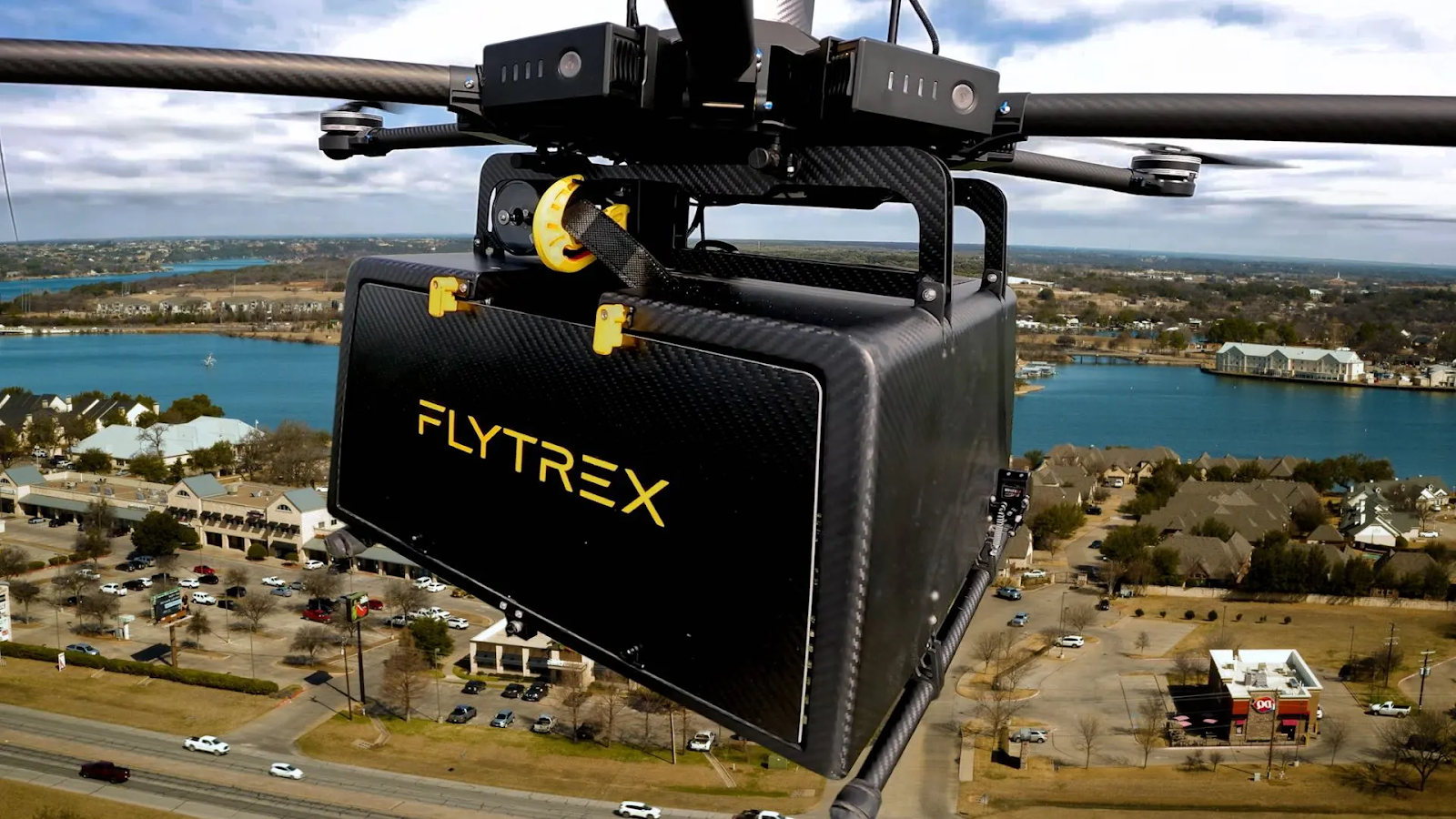
- New Logistics Solutions. Delivery drones and autonomous trucks can revolutionize logistics and delivery services, especially in a major transportation hub like Houston. Drones can quickly deliver medical supplies or small packages, while autonomous trucks can optimize long-haul intercity transport.
In Conclusion
The integration of autonomous systems into Houston’s transportation infrastructure is not just a technological upgrade but a complex engineering challenge that requires a systemic approach. The city has every chance of becoming a leader in this field thanks to its technological base. However, to do so, it must openly acknowledge and address challenges related to infrastructure adaptation, ensuring safety in extreme weather conditions, and protecting against cyber threats. The success of this transition will depend on the collaboration between engineers, government officials, businesses, and the public to create a safe, efficient, and accessible transportation future.
