

Houston was transformed into “Space City” with the construction of the Lyndon B. Johnson Space Center. This is home to NASA’s headquarters, the hub that controls all space missions and manages operations aboard the International Space Station (ISS). Countless space innovations were born in Houston, particularly the crucial development and testing of Life Support Systems (LSS) for space travel. Read on for the achievements and challenges of this vital process on houstoname.com.
The History of Space City’s Rise
The connection between Houston and space exploration began in the early 1960s, fueled by the Space Race between the U.S. and the USSR. The competition evolved into something far grander than simply who would conquer space first. Nevertheless, a decision by top leadership led to the construction of the Manned Spacecraft Center in Houston, an event that occurred on September 19, 1961. From that moment on, Houston earned its title as Space City.
The choice of location was not random. Several factors played a role: a favorable geographical position, proximity to major universities, developed infrastructure, and an accessible workforce. Since 1961, Houston has been the birthplace of numerous inventions that have facilitated the conquest of space and ensured the survival and well-being of astronauts.
The Ascent Begins
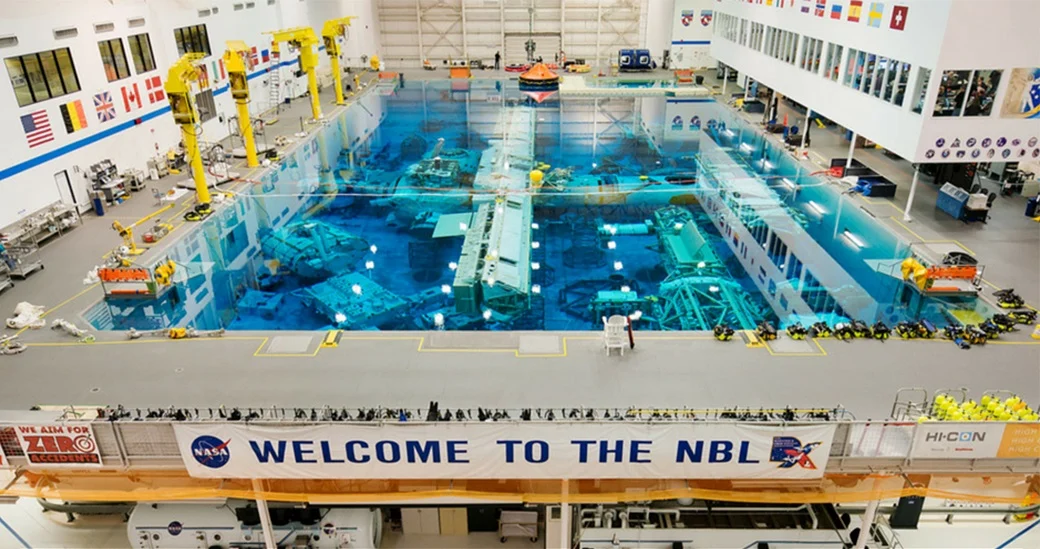
Space is an extremely hostile environment; it’s easier to lose one’s life there than to survive. Consequently, launching astronauts requires meticulous consideration of countless factors. While on Earth, no one thinks twice about the ability to breathe or the level of carbon dioxide, in space, these are literally questions of life and death. There are hundreds of such variables in orbit. How do astronauts sleep in zero gravity? How do they shower? What is done with waste? The answers to these questions must be found before the mission even begins. That’s why NASA develops, refines, and tests its Life Support Systems well in advance of any mission. Many of these critical developments originated in Houston, a process that has continued non-stop since the dawn of space exploration.
Throughout the history of the space industry, Houston has developed dozens, if not hundreds, of LSS components. The most critical include:
- Oxygen supply and air purification control.
- Carbon dioxide removal systems.
- Filters and catalysts for eliminating harmful contaminants.
- Water reclamation systems.
- Humidity and condensation control.
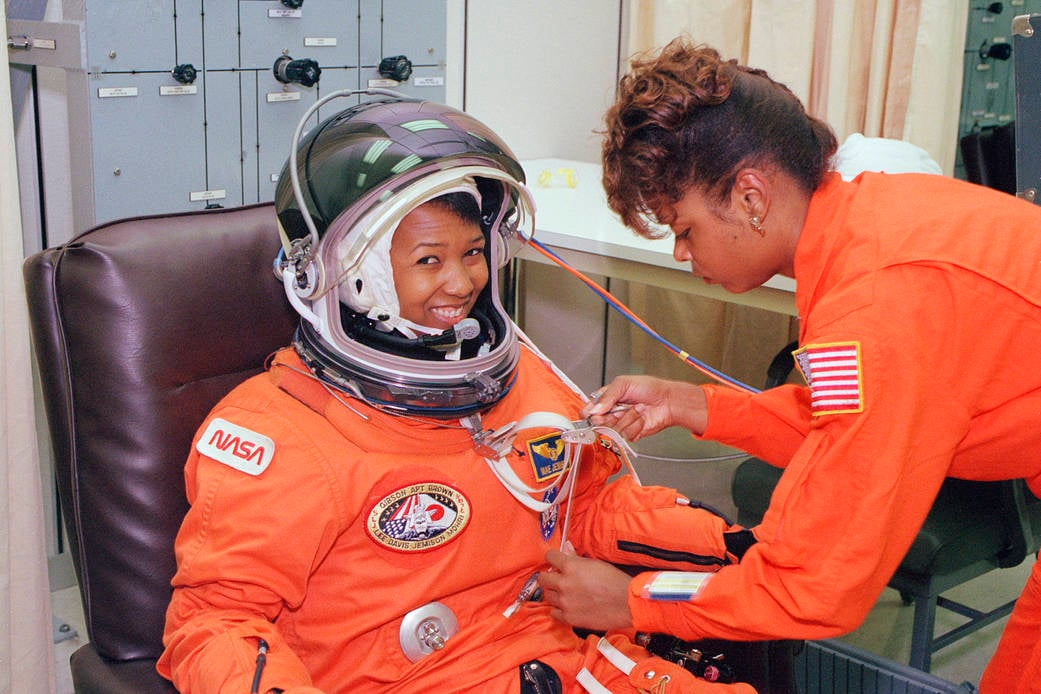
- Orbital spacesuits (Extravehicular Mobility Units).
- Filtration membranes for purifying and reusing water.
- Thermal control systems to maintain a constant temperature.
- Innovative methods for organic and inorganic waste disposal that help minimize environmental impact in space conditions.
This is by no means an exhaustive list. Houston’s scientists and inventors have conceived and implemented numerous other essential components for astronaut life support.
Forward-Looking Research
Scientists from various disciplines continue their work at the Houston Space Center to improve astronaut reliability and comfort in space. Among the innovative developments are non-traditional projects like the development of bioregenerative systems. These aim to use plants to purify air and water. This cutting-edge technology could, in the near future, replace heavy and complex mechanical systems. Furthermore, the plants would serve as an additional food source. It is much easier to deliver soil and seeds to the ISS than cumbersome purification systems.
Houston is also actively developing autonomous life support complexes. This is an ultra-complex ecosystem designed to operate without external resources. The project is intended for long-duration astronaut stays in deep space. It must also guarantee safety in the event of emergencies, such as when it might be impossible to deliver necessary supplies or retrieve astronauts due to unforeseen circumstances.
The Artemis Program
NASA has planned to return humans to the Moon and entrusted Houston scientists with developing the corresponding project: Artemis. The Artemis Program aims to land the first woman on the Moon in 2025. Eventually, the plan is to establish a permanent base on the Moon for further exploration. This involves several phases. The first phase will involve delivering and launching the Gateway station into orbit. Subsequently, a permanent station will be constructed directly on the lunar surface. This program is designed for a deeper exploration of the Moon and space. It also seeks to create a testing ground on the Moon where astronauts can prepare for future missions to Mars.
The Artemis Program is a critical step in space exploration. It involves the participation of other countries, which will make the program truly international. It will promote the development of new technologies and scientific discoveries while strengthening international cooperation in the field of astronautics.
In summary, it is fair to say that Houston’s role in the advancement of space programs is exceptionally high. The city has exerted enormous effort in developing the key astronaut Life Support Systems that make space exploration possible.