

Living an eco-friendly lifestyle and caring for the environment has become more than just a global trend; it’s now a necessity. This shift stems from the worsening state of the world’s ecosystems each year. We all understand that if we don’t take important actions, the world could face an environmental catastrophe within a few decades. More on houstoname.
Humanity has already started to increase its environmental awareness, and every country is demonstrating this in different ways. In America, environmental care began to take on more intensity at the start of the 21st century. With new “eco-trends” emerging, Americans quickly implement them into their everyday lives.
What is the environmental situation in Houston? How do locals care for their surroundings, and what steps are they taking?
The Environment in Houston
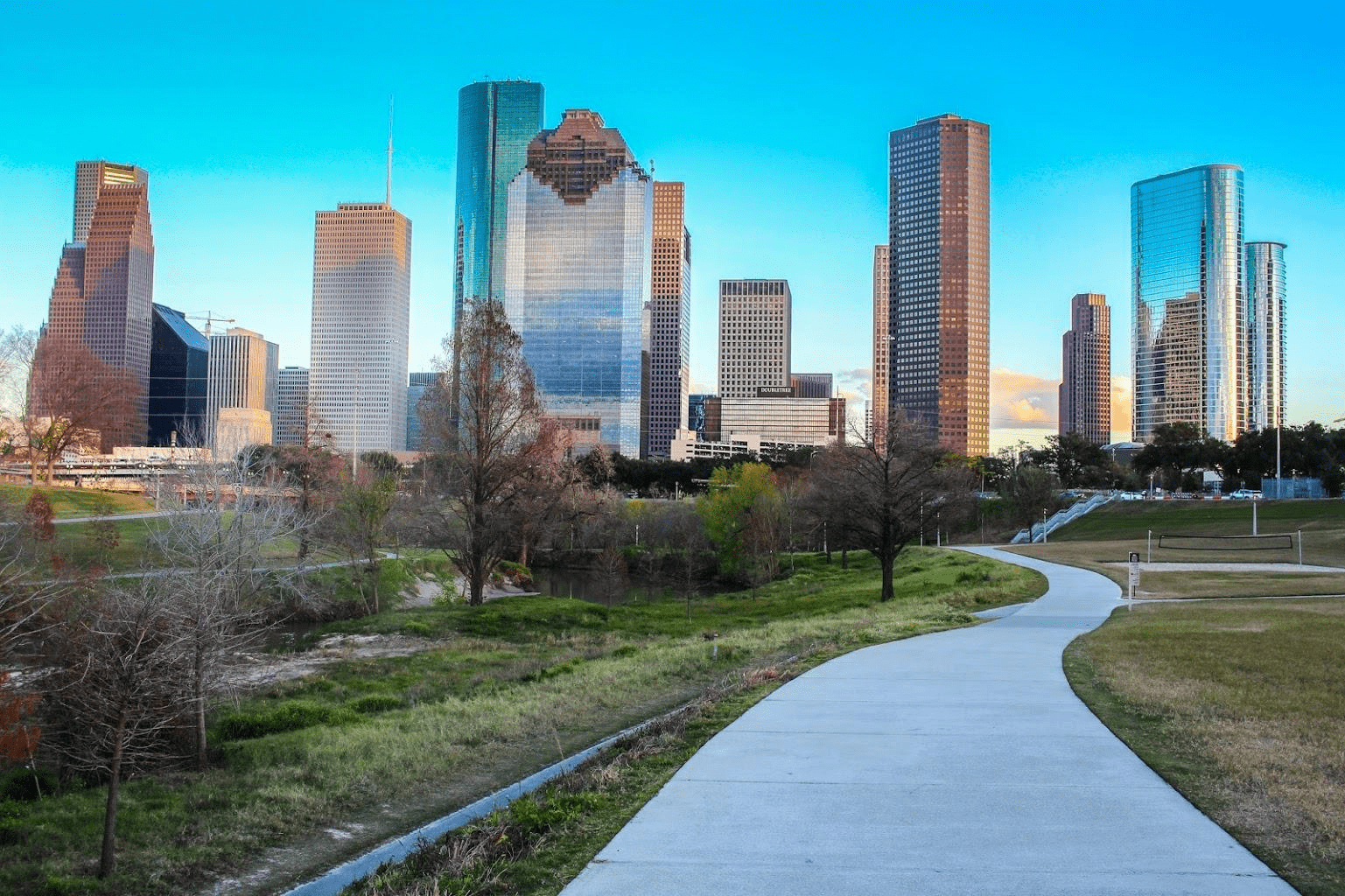
Houston is not among the cleanest or most eco-friendly cities in the U.S. While the environmental situation here could be improved, it isn’t critical or hazardous. In general, we can say that Houston’s environmental status is average.
However, the city faces two main issues: air pollution and poor water quality. Air pollution stems from exhaust emissions from both personal vehicles and public transportation, as cars remain the primary mode of transportation. In addition, Houston is known for its large number of chemical plants and factories, which contribute to harmful emissions, especially in warm seasons. During the summer, when it’s hot and often windless, these emissions settle over the city, resulting in increased respiratory and even cancer cases among residents.
As previously mentioned, Houston also has poor water quality. In 2010, it ranked 95th out of 100 large U.S. cities on this issue.
Combating Plastic

Plastic and polyethylene have a harmful effect on the environment. Due to their widespread use and lengthy decomposition times, they contribute significantly to pollution. This waste often ends up in bodies of water, leading to the death of marine life.
In the United States, people are gradually moving away from plastic and polyethylene. Although disposable cups were originally developed in the U.S. (to allow people to easily take drinks on the go), the modern world is increasingly seeking alternatives.
You may have noticed the red cups commonly seen at American parties, or perhaps people frequently ordering take-away drinks like coffee, tea, sodas, or milkshakes. Reducing the consumption of such disposable cups can greatly benefit the environment, as millions of these containers are used every day globally.
Whenever possible, try to order food or drinks in reusable glass containers. Alternatively, consider purchasing a reusable cup, which is widely available in Houston and often made from eco-friendly materials.
While it may seem that one reusable cup won’t make much difference, if everyone were to use one, the reduction in plastic waste would be significant, which would be a meaningful step toward environmental improvement.
Another important issue is the use of disposable bags. Often, people buy these bags just to carry purchases home and then throw them away, with the bags taking centuries to decompose. But there is a solution: reusable shopping bags, also known as “tote bags,” which originally appeared in the U.S., in Ohio, back in the 19th century.
Initially, these bags were intended exclusively for shopping. Made from sturdy fabric, they are roomy and durable, and more than sufficient for everyday shopping. Over time, these totes became popular as all-purpose bags. Today, they are used by teenagers for school, businesswomen for work meetings, and mothers for outings with their children.
In Houston, tote bags are everywhere—from local supermarkets and specialty stores to showrooms. They come in various styles, waterproof fabrics, with inner pockets or zippers, and with or without prints and logos. Not only are they environmentally friendly, but they also allow users to express their individuality through unique designs. Plus, they’re far more durable and stylish than plain, environmentally harmful plastic bags.
Transportation Choices

Given the issues of air pollution and exhaust emissions, more Houstonians are turning to eco-friendly transportation. In a big city like Houston, cars are convenient and often essential, saving time on long commutes.
However, technology continues to evolve, and each year new transport options emerge. Bicycles, scooters, hoverboards, rollerblades, and skateboards are all popular ways to travel while helping to protect the environment.
Houston offers numerous parks with bike paths, dedicated lanes, and wide open spaces, making it easy to travel sustainably. For example, Buffalo Bayou Park was designed with cyclists in mind, with specific areas allocated for biking. You can either bring your own bike or rent one for a set period.
Eco-Friendly Stores
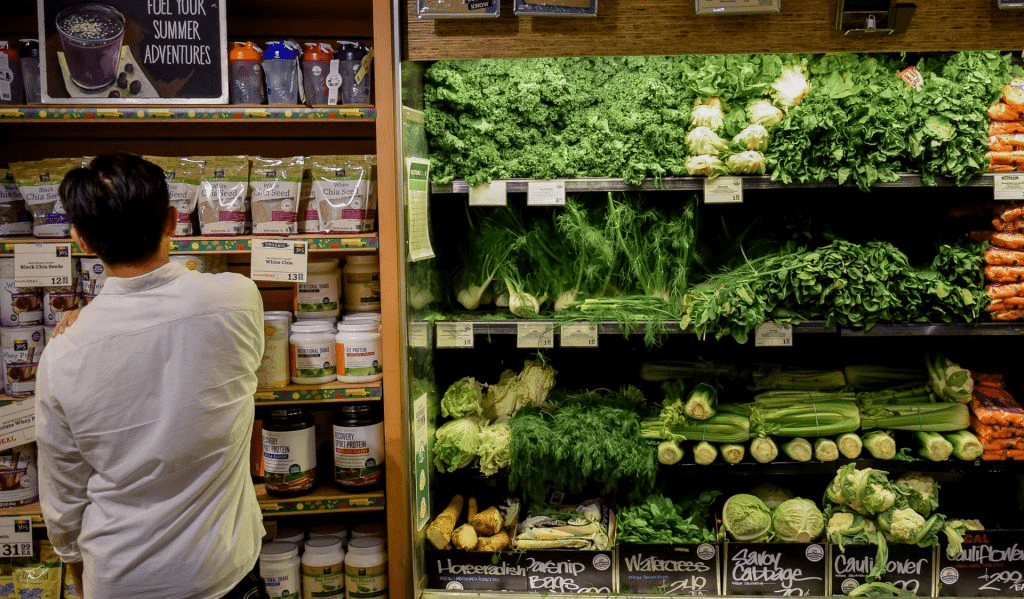
Houstonians are increasingly interested in consuming organic, farm-fresh, and environmentally friendly products. After all, it’s essential for everyone to get vitamins and nutrients from natural foods. We all know that the contents of most modern packaged foods leave much to be desired, so eco-stores and farmers’ markets are gaining popularity.
In Houston’s eco-stores, you’ll find fresh, natural products, including vegan, lactose-free, gluten-free items, as well as healthy, sugar-free sweets. These stores also carry eco-friendly cosmetics, household items, reusable cups, tote bags, personal care products (such as bamboo toothbrushes and cotton swabs), and cruelty-free beauty products.
Farmers’ markets in Houston can also be considered eco-friendly, as they offer fresh, high-quality produce. Much of the fruit and vegetables here are grown on local farms, either in the Houston area or elsewhere in Texas. Texas itself has the highest number of farms in the U.S.
At these markets, you can also buy milk, eggs, meat, natural honey, fresh juices, prepared foods (meat or vegetarian), and homemade baked goods without added chemicals or preservatives. The markets operate only a few days a week, so they are always bustling with activity.