On April 16-17, 1947, an accident happened in Texas City, caused by a fire and explosion of the cargo ship SS Grandcamp. Between 400 and 600 people died and 4,000 were injured. It is the deadliest such accident in US history and one of the biggest non-nuclear explosions in the world. Read more on houstoname.
Details of the incident
The American ship SS Grandcamp was assigned to help rebuild France after World War II. It carried on deck ammonium nitrate (fertilizer), ammunition for small arms, equipment and bales of sisal rope. The fertilizer was prepared for export to Europe.
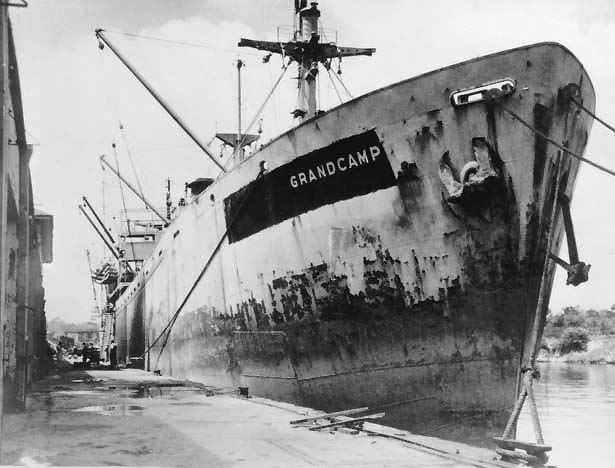
Before arriving in Texas City, the ship made several stops. Thus, in Belgium, 16 crates of small arms were loaded onto the ship. After crossing the Atlantic, it docked in Cuba and then went on to Houston, where several cargoes were exchanged for common items such as peanuts. After that, the ship docked in Texas City.
On April 16, the vessel was preparing to reload a shipment of ammonium nitrate at the Port of Texas City, near Galveston Bay. At nearly 8:00 AM, crew members noticed smoke in the cargo hold, which already housed 2,300 tons of chemicals.
In order not to damage the cargo, the crew refused to use water to extinguish the fire and were looking for other methods. They filled the hold with steam to put out the fire but it did not work. The substance that caused the fire was an oxidizer, so it neutralized the fire-extinguishing properties of steam. Moreover, the steam could have contributed to the intensification of the fire. After 9:00 AM, the temperature inside the cargo compartment rose and led to a powerful explosion that was heard in a radius of 240 km. It caused a 4.6 m tsunami and a shock wave.
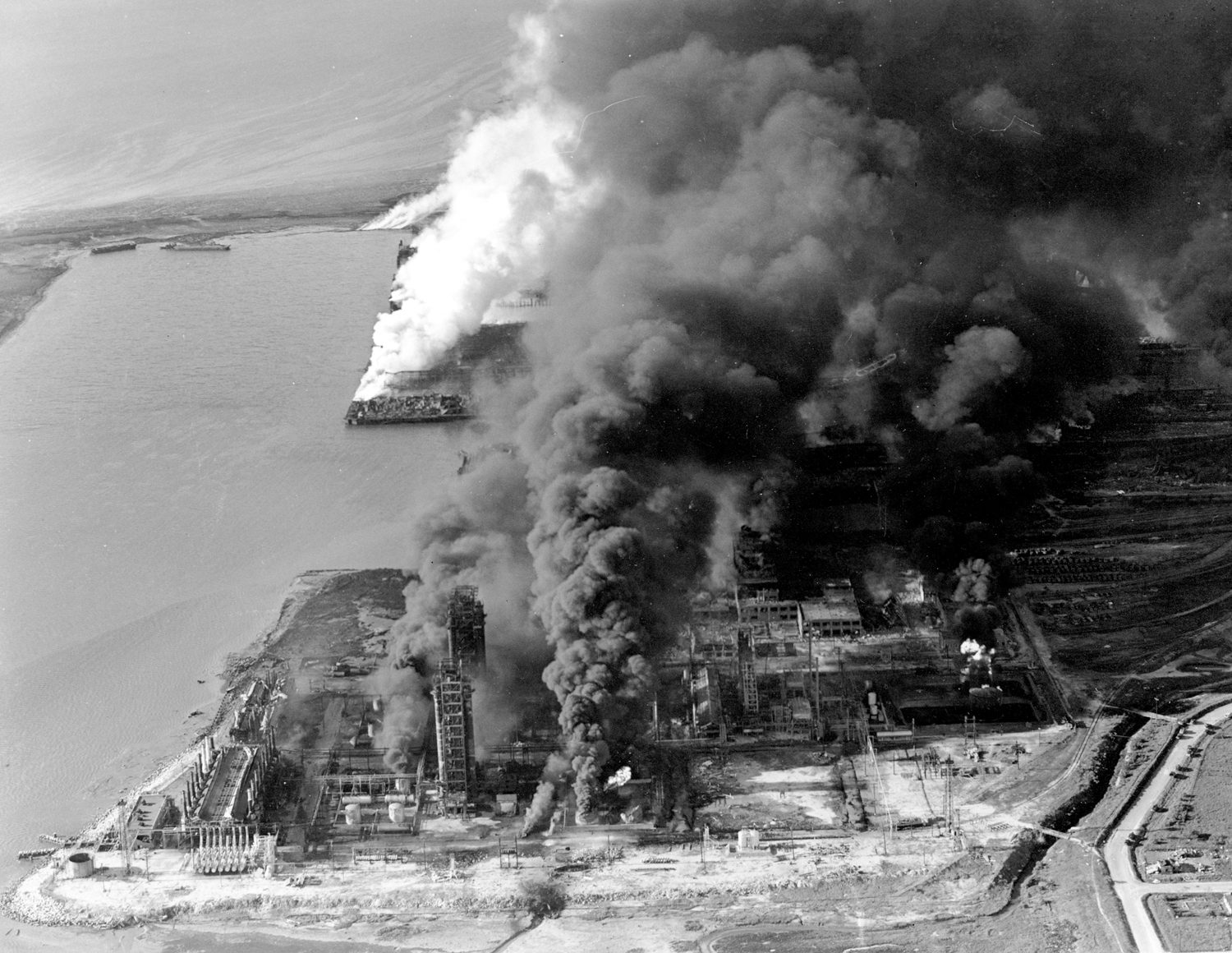
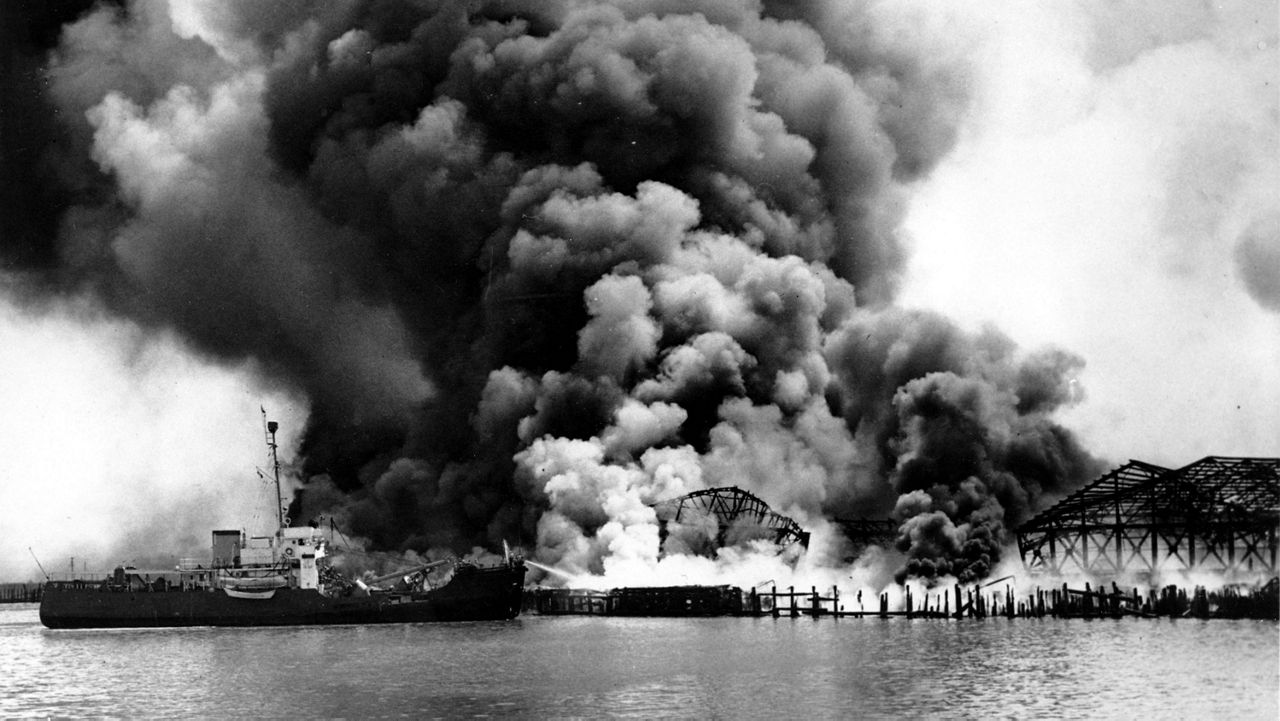
The fire damaged the dock as well as the nearby Monsanto Chemical Company plant. A mushroom-like cloud rose to a height of 600 meters and instantly destroyed two planes flying over it. An artillery shell caught fire and landed in industrial areas, causing fires or other significant damage. The ship SS High Flyer, which was carrying a huge amount of sulfur, caught fire and exploded. Tankers with crude oil also burned for several days. The wave of fire razed many buildings to the ground. Firefighters were among the dead, which only worsened the situation. There was almost no one to put out fires.
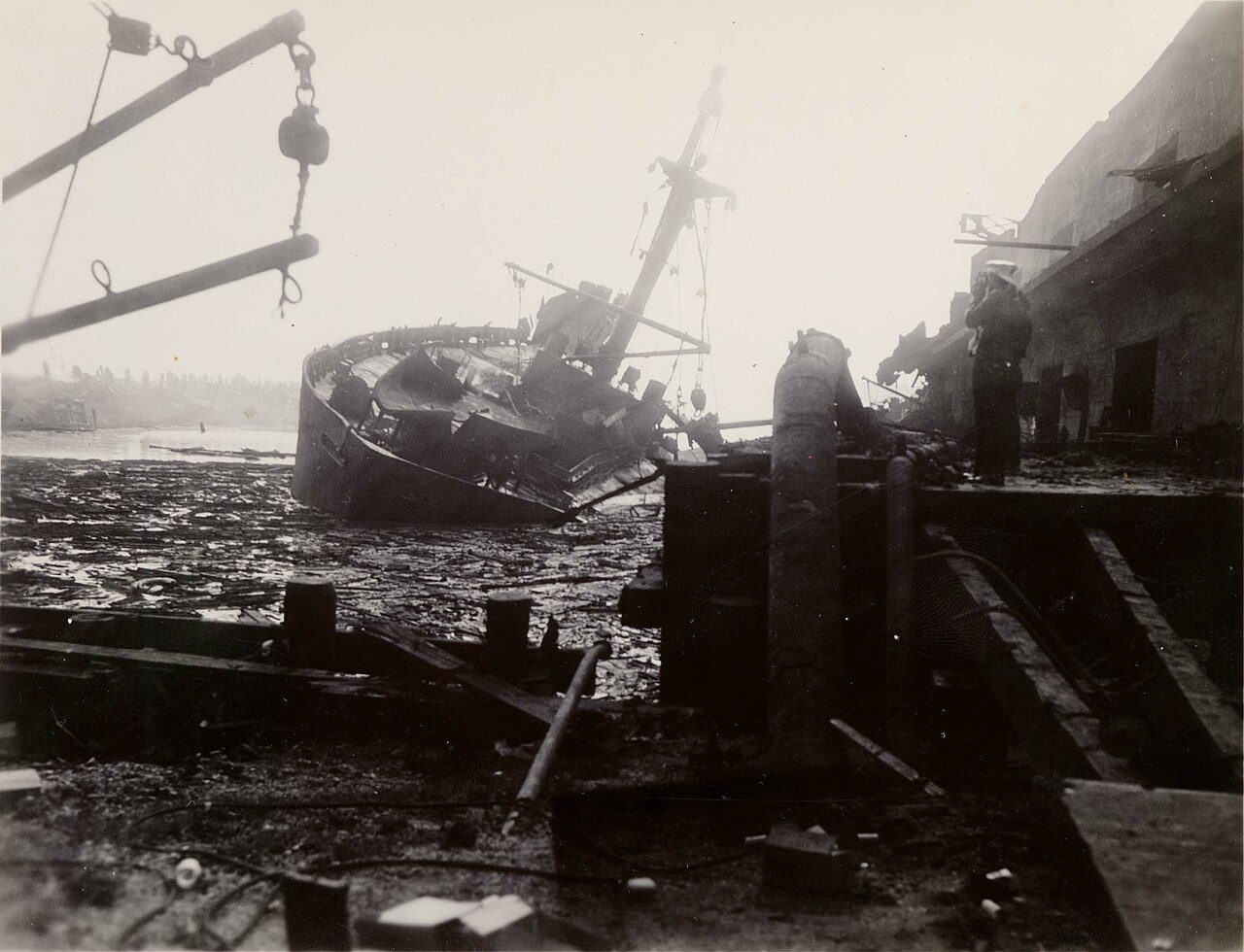
Hundreds of local residents immediately began rescue efforts using available resources and 4,000 Red Cross and other volunteers arrived in the city. During the following two months, local, state and federal officials identified the victims by physical appearance, clothing, place of work and special signs. In some cases, the FBI matched the fingerprints of the dead to fingerprints in the registry.
The cause of the explosion
The cause of the explosion on board was never established. Maybe it happened because of a cigarette thrown away the day before. The ship’s cargo was probably smoldering all night until the crew members noticed the smoke in the morning. According to another version, the cause of the accident was human error.
The chemical that caused the ship to explode, namely ammonium nitrate, was not produced in Texas. This mixture was manufactured in factories in Iowa and Nebraska, then bagged, mixed with rosin (a brittle glassy substance) to prevent caking and shipped by rail to Texas City. High temperatures on the way increased the reactivity of the substance, which caused the fire.
During World War II, this substance was used to produce trinitrotoluene. This yellow solid chemical is used as a reagent in chemistry and is known as a powerful explosive with convenient properties. After the war, it was diluted and used as a fertilizer for crops. That was the reason for its transportation by the ship.
The product is not flammable in its pure form. However, it must be stored in a cool environment. The substance becomes dangerous when combined with an explosive agent, such as a primer (a type of fuse for single-shot weapons) or volatile substances, such as sulfur, sugar, zinc and copper.
The scale of the accident
Witnesses of the disaster compared it to the bombing of Bari in 1943, one of the most successful operations of German aviation during the Second World War. Then, in just 20 minutes, the Air Force of the Third Reich sank 17 cargo ships and damaged another 6. In addition, its consequences were compared to the destruction in Nagasaki related to the nuclear bomb.
Thus, 405 dead were identified and 63 unidentified persons were buried at the memorial cemetery near Moses Lake. Another 113 people were reported missing, including firefighters, sailors, undocumented workers and their families and tourists aboard the SS Grandcamp. More than 800 people became orphans or widows. The bodies of the victims filled the morgue and were also placed in the sports hall of the local school for identification by relatives.
In addition, 1,784 people were hospitalized. Approximately 2,000 citizens lost their homes. The accident damaged the seaport, destroyed or completely burned many enterprises, more than 1,100 vehicles and 362 freight cars.
Reactions and consequences
Different funds were created to help the city and victims. Thus, the Texas City Relief Fund gathered over $1 million. In addition, large enterprises that lost their facilities revealed their wish to rebuild the city and continue their activities. Some of them paid the workers of the destroyed facilities money for the rebuilding of the premises. In total, the process required nearly $100 million.
The accident prompted the lawsuit against the US government on behalf of 8,485 individuals and attracted national media attention. Many of the lawsuits seeking damages were consolidated into Elizabeth Dalehite, et al. v. US. In April 1950, a district court found the US government liable for negligent practices in the manufacturing, packaging and labeling of ammonium nitrate, as well as improper transportation, storage, loading of the product, firefighting, etc. The district court’s decision was later overturned by the U.S. Court of Appeals and the Supreme Court.
The accident led to new regulations in the chemical industry, in particular, to stricter requirements for work with ammonium nitrate, which requires low temperatures and special containers. Its storage near other reactive materials is prohibited as well as its transportation over long distances. In addition, the tragedy caused a more proactive approach to disaster planning in the US and contributed to the creation of interstate mutual aid systems.
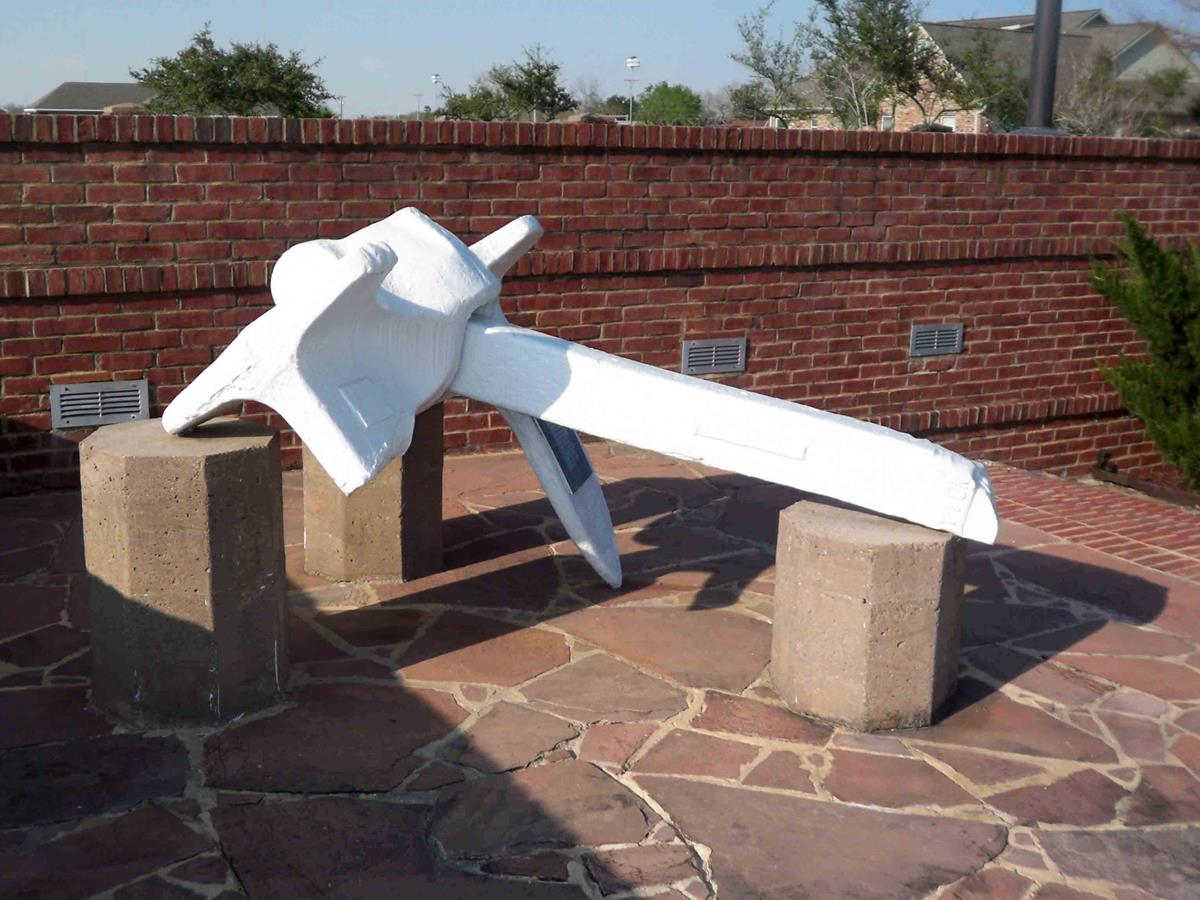
After the tragedy, plaques commemorating all the victims were created in the Texas City Memorial Park. A broken 2-ton anchor from the ship can be found in the center of the park. The park also has a marble angel sculpture in honor of the firefighters who died in the disaster and a small cemetery where 63 unidentified victims are buried.