

The aerospace capital of the US is confidently mastering a new domain: highway logistics. The integration of autonomous freight transport in Texas has officially moved past the laboratory phase and reached commercial maturity, driven by the transfer hub concept.
These autonomous logistics hubs act as a high-tech bridge between interstate highways and urban infrastructure. They link long-haul runs of Level 4 autonomous trucks with local “last-mile” delivery, where human drivers or light electric vehicles take over control.
Shifting complex maneuvering outside of dense urban areas fundamentally transforms logistics economics. Houston, historically equipped with powerful port and rail infrastructure, is now transforming into the primary testing ground for unmanned freight corridors across all of North America. Read more details about this logistics project on houstoname.com.
Houston as a Testing Ground for Autonomous Logistics
The deployment of autonomous freight transport in Texas has achieved commercial maturity thanks to the concept of transfer hubs. For Houston—one of the largest US transportation hubs featuring a major seaport and an extensive interstate network (specifically I-10 and I-45)—this technology is a natural extension of its technological leadership.
- Mainline Stage. Heavy trucks driven by an autopilot system cover hundreds of miles along interstate highways predictably and safely, free from driver fatigue.
- Local Stage. Upon approaching the metropolis, the cargo is transferred at a transfer hub, after which a human driver handles the urban segment of the route with its complex interchanges and pedestrian crossings.
This approach has allowed Houston to turn Texas highways into the first commercial corridors for unmanned freight transport in North America.
The combination of artificial intelligence, aerospace positioning technologies, and heavy freight flow solidifies the city’s status as a strategic center where the new standards of 21st-century global logistics are forged.
The application of artificial intelligence algorithms and next-generation networks makes the cargo handling process fully seamless and predictable. This lays the foundation for future mainline transport corridors, where autonomous transport operates with maximum economic efficiency.
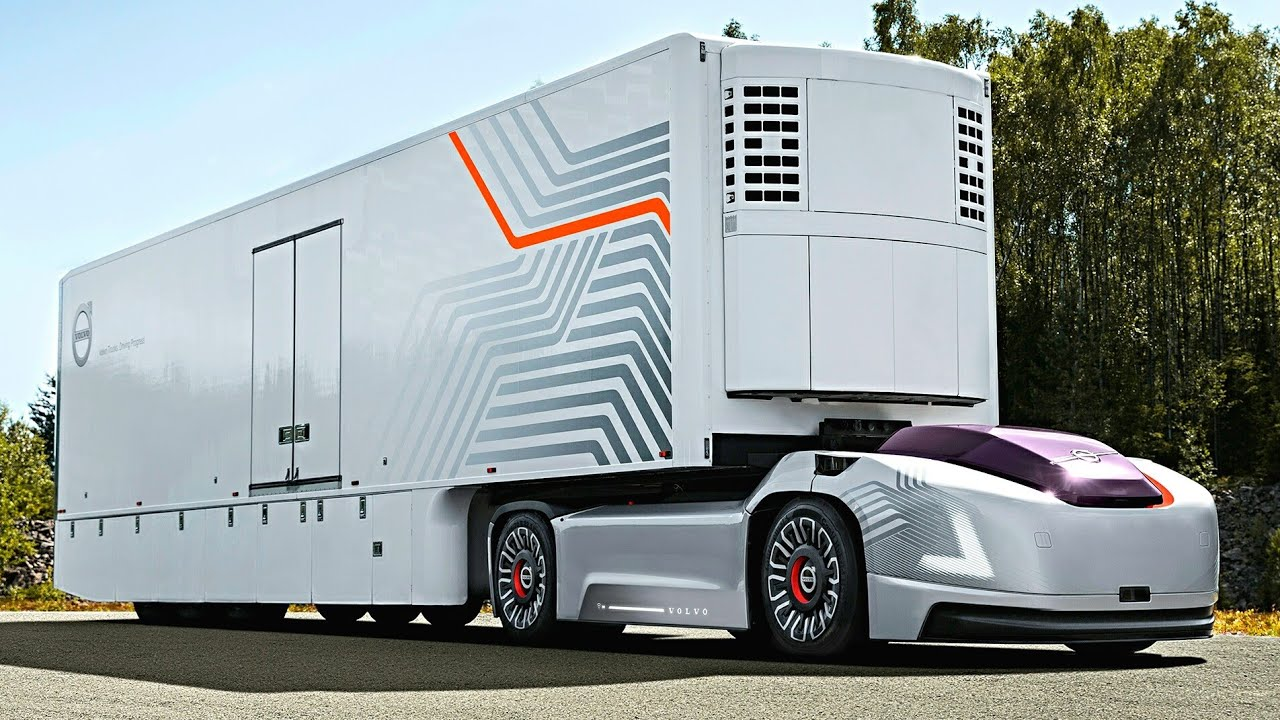
Regional Mainline Corridors: Houston as the Main Hub of Autonomous Arteries
The geography of autonomous freight transport has taken shape around key industrial and logistics arteries characterized by high freight density, with Houston acting as the strategic center and primary starting point.
The practical implementation of this technology spans three core tiers, with Houston’s infrastructure participating in every single one.
- The American “Texas Triangle”. Here, the testing-ground status has permanently evolved into commercial operations. Strategic corridors I-35 (Dallas – Houston – San Antonio) and I-10 (stretching over 1,000 miles through Fort Worth to Phoenix) are serviced by autonomous trucks from Aurora, Kodiak Robotics, and Gatik in direct partnership with Uber Freight and FedEx.
- Integration with Houston’s Port and Industrial Complex. Port Houston, one of the largest US seaports, has become a primary site for autonomous hubs connecting container terminals with overland rail and road junctions. Mirroring European projects in Rotterdam or Hamburg, the Houston port is automating container extraction directly from the docks.
- Hybrid “Green” Corridors of Texas. Drawing inspiration from European pioneers like Einride and DAF, Houston logistics hubs along the I-10 corridor are actively rolling out infrastructure for autonomous electric semi-trucks, integrating automated battery-swapping systems and high-speed charging.
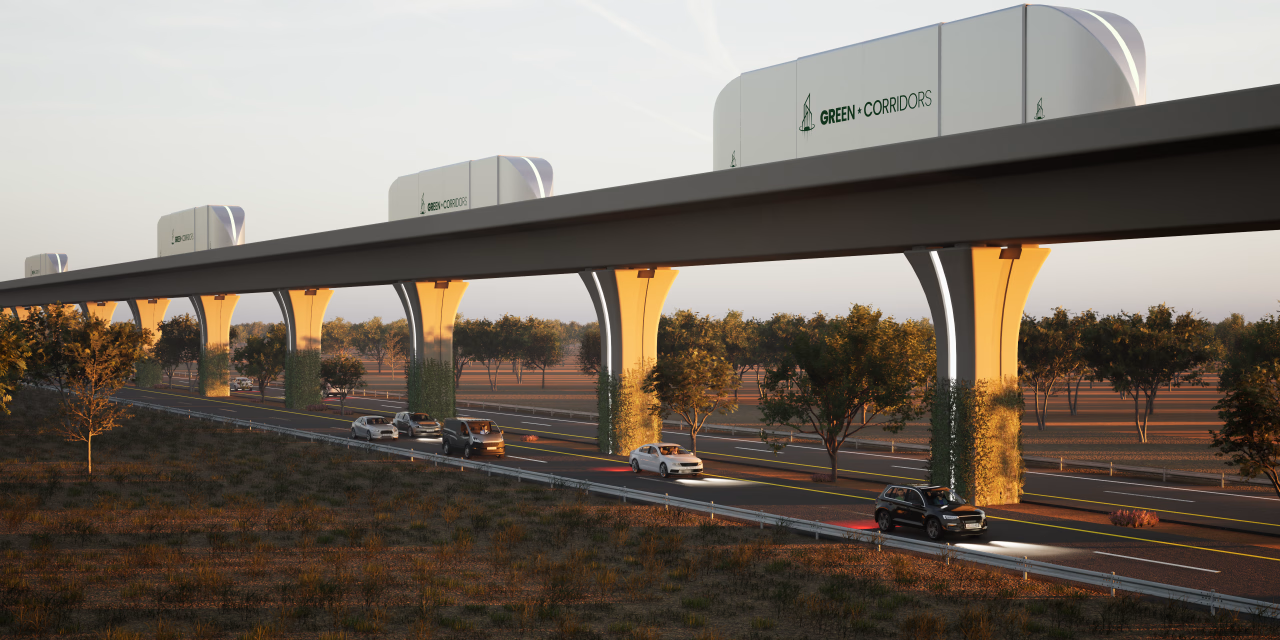
Thanks to its unique geographical position, Houston has merged overland mainline routes with maritime trade lanes. This has turned the city into a crucial North American hub where autonomous transport functions not as an isolated experiment, but as a scalable network.
Replicating this experience across regional corridors proves that Houston is setting the standard for how self-driving trucks, multimodal hubs, and port infrastructure should function as a single digital ecosystem.
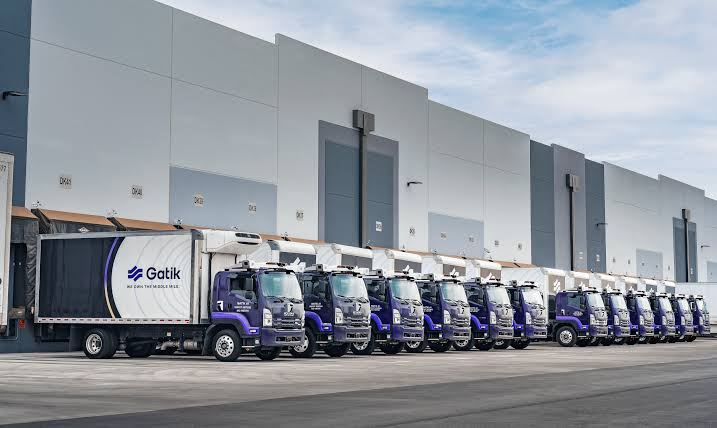
Comparative Analysis of Logistics Models
| Parameter | Traditional Logistics (Human Driver) | Hybrid Hub Model (Level 4 + Driver) | Full Intra-City Autonomy |
| Operating Schedule | Restricted by regulations (up to 11 hrs/day) | 24/7 Mainline (stops only for fuel/service) | Dependent on traffic and delivery windows |
| Delivery Speed (900+ miles) | ~30–36 hours (with mandatory rest stops) | ~15–18 hours (non-stop transit) | ~24–30 hours |
| Fuel / Energy Costs | Standard (varies by driving style) | 10–15% lower (optimized AI eco-driving) | Average |
| Mainline Safety | Fatigue and human factor risks | Up to 65% reduction in accidents | Complex maneuvering environments |
| Regulatory Complexity | Standard | Moderate (permitted in many regions) | High (requires complex permits) |
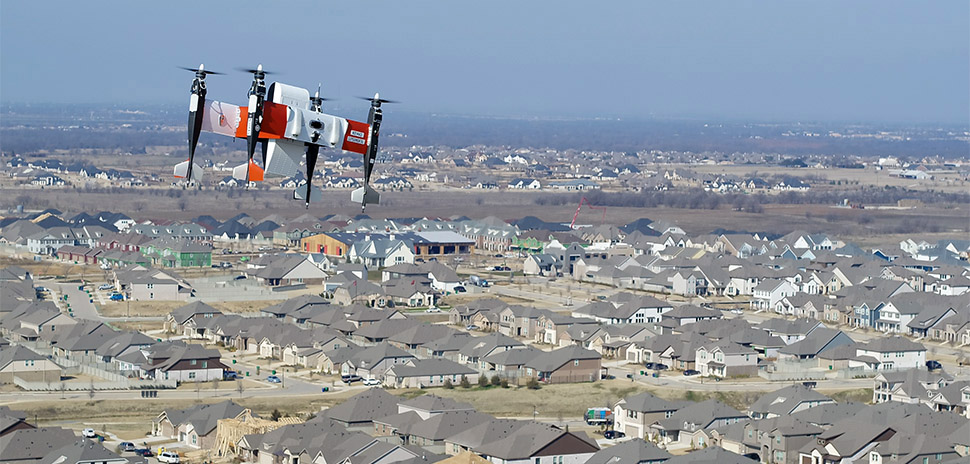
Economic and Operational Impact: How Houston is Reshaping Freight Math
The transition to a hub-based autonomous freight model in Texas solves critical pain points of modern regional and national logistics, positioning Houston as a benchmark for operational efficiency.
- Overcoming the severe driver shortage. Through this system, long-haul truckers transition away from exhausting, multi-day long-distance journeys toward local work close to home (handling deliveries from a transfer hub to the final urban warehouse). This significantly boosts quality of life for professionals and makes the profession attractive to a new generation.
- Maximum asset utilization. An autonomous semi-truck managed by artificial intelligence requires no human sleep or overnight stops. Aside from quick scheduled maintenance and refuel stops at Texas hubs, the vehicle can log over 600–900 miles per day, compared to the standard 300–400 miles managed by a human bound by hours-of-service regulations.
- Reduction of CO₂ emissions. The combination of smooth, algorithmically optimized autonomous driving on the I-10 highway and the use of light electric vehicles for the “last mile” slashes the overall carbon footprint of mainline freight operations by 18–22%.
The large-scale deployment of this technology in Texas creates a sustainable precedent where economic efficiency no longer conflicts with environmental standards or workers’ social needs. Houston proves in practice that highway automation does not push humans out of the industry; instead, it humanizes their labor, leaving the exhausting miles of interstate highways to algorithms.
As a result, the region gains a fundamentally new caliber of trade infrastructure. Faster product delivery directly boosts local business profitability, lowers the cost of goods for end consumers, and permanently cements the city’s status as the primary technological and logistical engine of the American Sun Belt.
