

Houston has always been a city of big ideas and even bigger scale. Its oil and gas fields, soaring skyscrapers, busy ports, space program, and industrial giants have long made it a symbol of energy and progress. But today, in the 21st century, Houston is starting a new chapter. It’s increasingly becoming a living laboratory for innovation in construction and industrial materials.
In a city where streets stretch to the horizon and the economy pulses with the rhythm of technology, groundbreaking ideas are taking shape. From concrete with a minimal carbon footprint to mass timber in office buildings and state-of-the-art labs where AI helps create the next generation of materials. We’ll delve deeper into these innovations on houstoname.
Key Hubs of Materials Science Breakthroughs
Houston’s scientific community is one of the most powerful in the United States. The city’s universities are no longer just centers for research; they’ve become engines driving industry forward. When it comes to developing cutting-edge materials, they’re leading the charge.
- The Texas Center for Superconductivity (TcSUH) at the University of Houston is the world’s largest center for superconducting research. Scientists here are working on materials that could radically reduce energy loss and lay the foundation for new medical technologies, sensors, and power grids.
- The Center for Advanced Materials (CAM) specializes in graphene, nanostructures, and thin films. Experts say these materials have the potential to make electronics more durable, solar panels more efficient, and industrial processes more sustainable.
- At Rice University, the Rice Advanced Materials Institute (RAMI) is taking things even further. They’re using artificial intelligence to predict the properties of new materials before they’re even created in the lab. This dramatically shortens the time from “idea to production.”
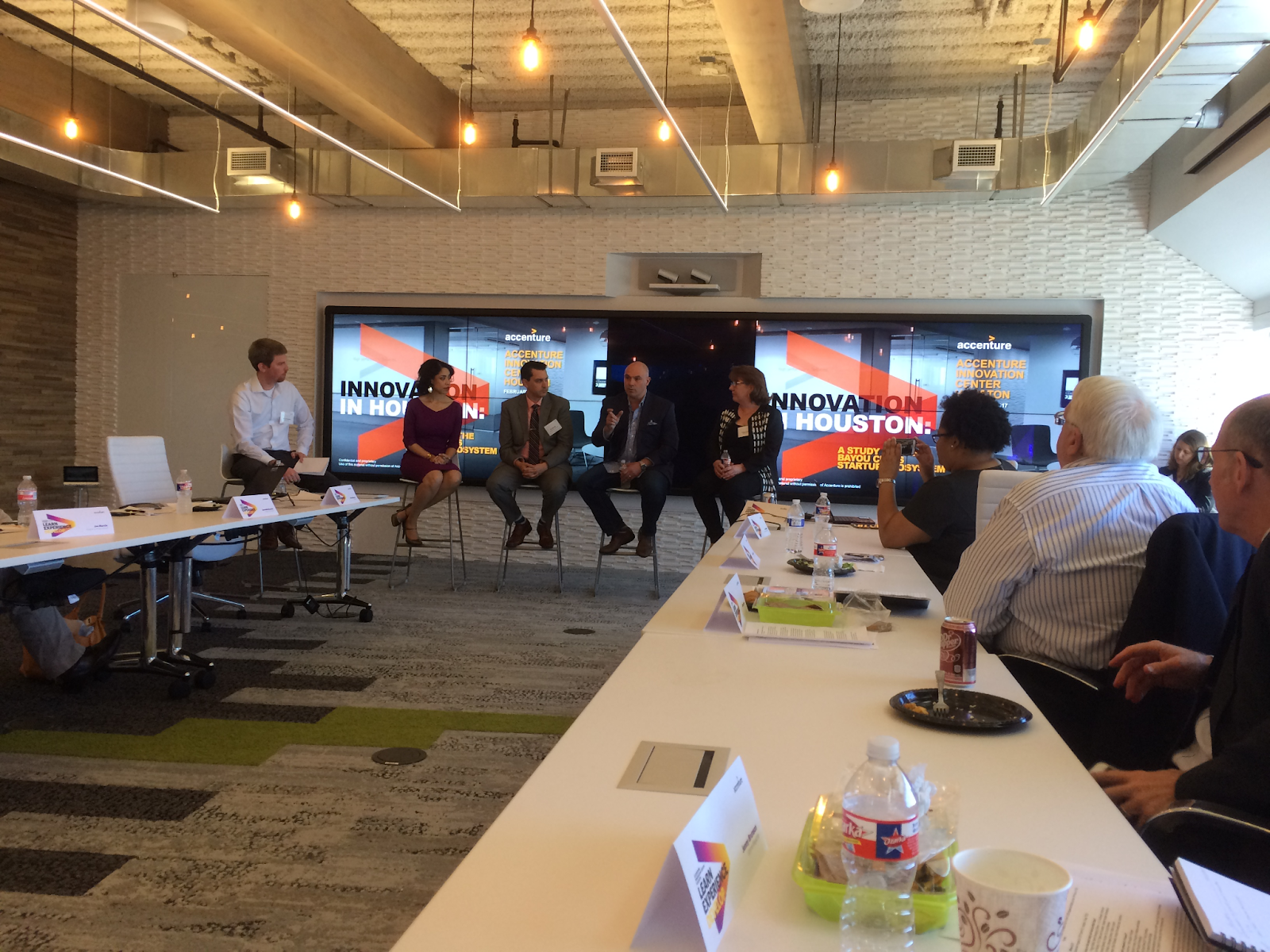
Houston, once the emblem of the oil era, is now emerging as the “capital of future materials.” Below, we’ll look at how these new developments are being put into practice for the city.
Smart Buildings and Sustainable Infrastructure
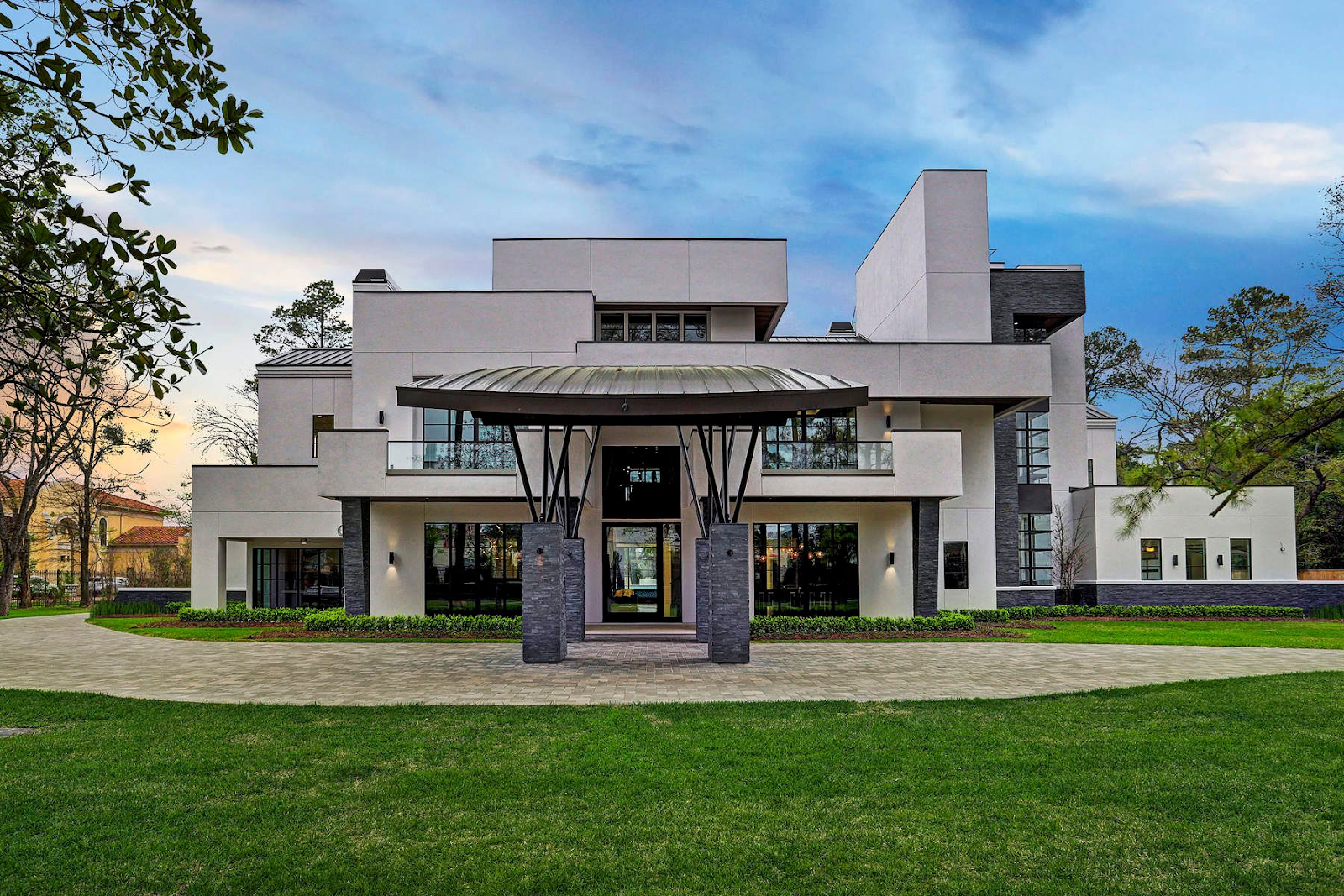
In a city where heat and hurricanes are a part of daily life, it’s crucial for buildings to be strong and energy-efficient. That’s why innovative composites and ceramic coatings that provide enhanced thermal insulation are being developed specifically for the Houston region. For example, photochromic glass automatically changes its tint based on sunlight, a technology that significantly reduces air conditioning costs.
Houston engineers are also experimenting with new types of self-healing concrete that contain bacteria that produce limestone to fill cracks. This greatly extends the lifespan of roads and foundations, minimizing the need for expensive post-storm repairs. The use of polymer composites for reinforcement is also being successfully implemented to prevent the corrosion that is so common in a humid climate. In addition, lightweight and high-strength materials like carbon fiber are being used in the construction of bridges and high-rise buildings throughout Houston.
3D Printing and New Housing
With a rapidly growing population, housing has always been a critical issue in Houston. Now, the city has become a hub for new construction experiments.
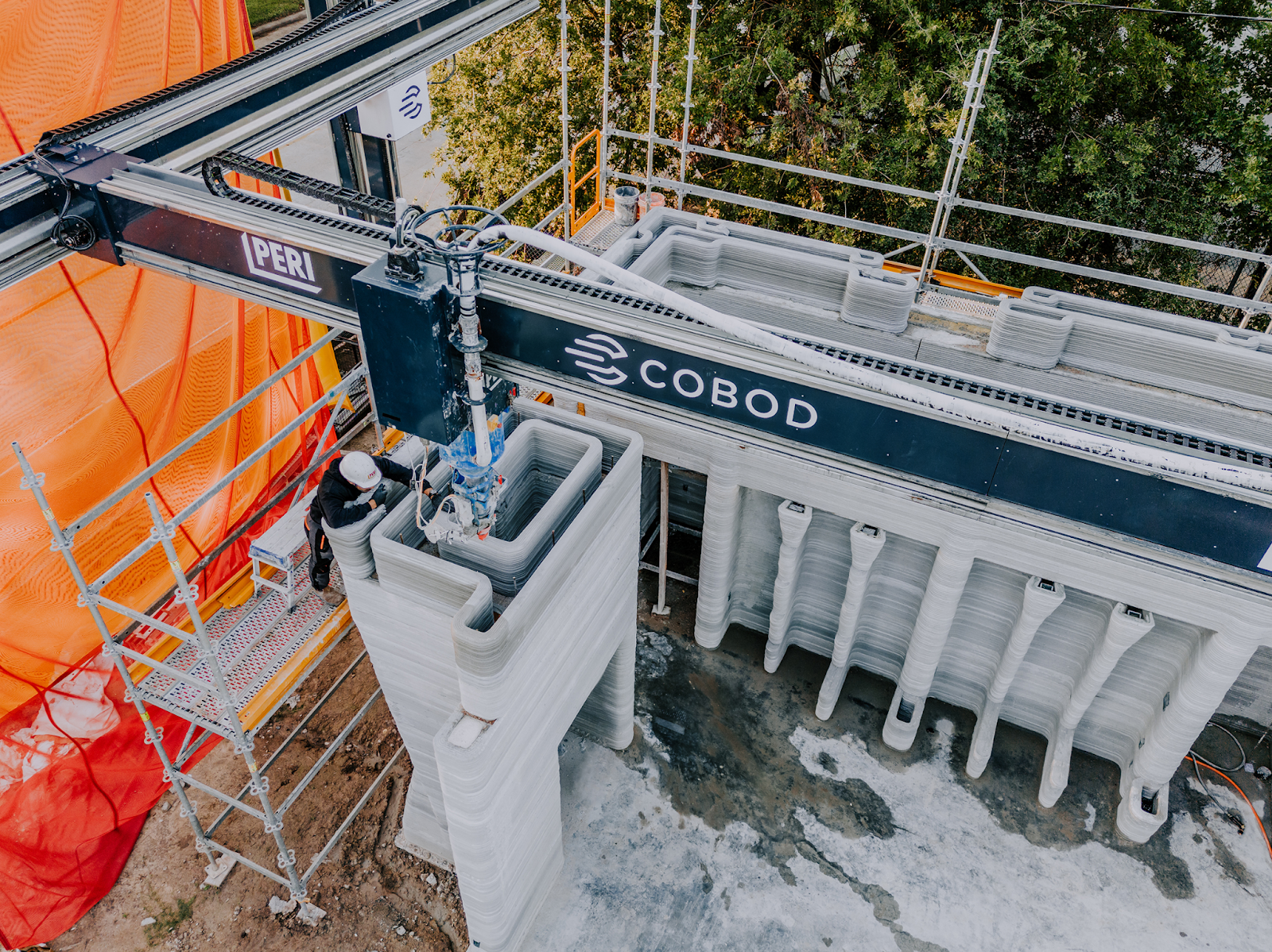
Hive 3D, a company operating in Texas, has already unveiled a series of homes printed on a 3D printer using a material called PozzoCEM Vite. Its key advantage is an extremely low carbon footprint. According to the developers, CO₂ emissions are reduced by 92% compared to traditional cement.
These buildings don’t look futuristic; they resemble typical cottages. But the process of creating them is a true revolution: it takes only a few days from printing the walls to a finished roof. Plus, construction costs are significantly lower.
For Texas, with its unique climate and hurricane risks, durability is also key. Hive 3D claims their homes can withstand challenging weather conditions without a problem.
A New Office Trend
It might seem like using wood is a step backward, but modern mass timber technology proves the opposite.
In Galveston, a Houston suburb, the first office building made of mass timber has been constructed. This isn’t a “rustic cabin” but a multi-story commercial building that meets international sustainability standards.
Why it’s important:
- It’s cheaper and faster to build than with concrete.
- The environmental impact is impressive, with a CO₂ reduction of 30–70%.
- LEED certification opens doors to premium tenants looking for “green” office spaces.
In the U.S., demand for these types of buildings is only growing, and Houston is among the pioneers.
Space Center and Medical District
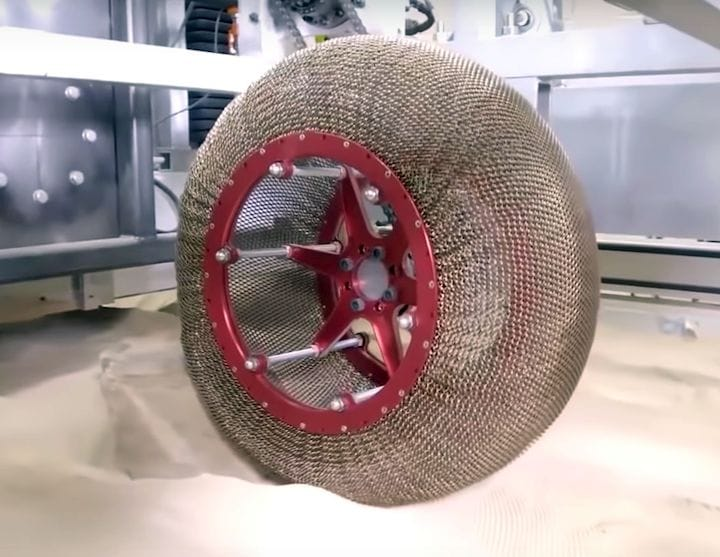
Houston isn’t just about residential buildings; it’s also home to major industrial facilities. The NASA Space Center is a key driver of innovations that affect local industry. Materials developed for the aerospace industry are now finding applications on Earth.
For example, shape-memory aluminum alloys used to deploy satellite antennas are now being used to create building structures that can restore their shape after deformation caused by wind or seismic activity.
The Texas Medical Center, the largest in the world, is also adopting advanced technologies. New research labs and clinics are being built with antimicrobial coatings containing copper and silver nanoparticles. This creates a sterile environment, minimizing the risk of infections.
In Summary
Houston today is a city that’s among the first to test the technologies of the future in construction and industry. 3D-printed homes, wooden office buildings, and nanomaterials created with artificial intelligence—all of this is already a reality that Houston is shaping.
The city’s example shows that even places with a deep industrial history can change if science, business, and the community work toward the same goal.
