

The modern world is evolving at an incredible pace. Everything is changing, from fashion trends to geopolitics. Houston is now experiencing profound shifts. This city, which for decades has been synonymous with traditional fossil fuels, is transforming into a hub of innovation in renewable energy. At the core of this energy transition is engineering expertise, playing a pivotal role in developing and implementing revolutionary solutions. Houston is becoming a leading industry center where specialists are crafting solar power plants, energy storage systems, and hydrogen technologies. This transformation demonstrates how engineering insights and experience from traditional energy are becoming the driving force behind creating a sustainable future for the city. You can find more details about these changes on houstoname.com.
From Oil Rig to Solar Farm
Houston’s engineers, many with extensive backgrounds in the oil and gas industry, are now applying their knowledge to build resilient energy systems. Their work spans a wide range of areas, including the design of vast solar power plants, the development of innovations in the sector, energy storage technologies, and much more. Among the current priority challenges that Houston’s experts are tackling are the following key areas:
- Photovoltaic Systems. Developing efficient solar panels capable of withstanding challenging climate conditions, particularly high humidity and heat. This is a critical task amid a changing climate. Engineers are optimizing tilt angles, materials, and sun-tracking systems.
- Wind Energy. Designing wind turbines, especially for offshore projects in the Gulf of Mexico, demands deep knowledge in mechanical engineering and materials science.
- Geothermal Energy. While not the most common direction, Houston is exploring opportunities to utilize geothermal resources, applying insights gained from deep well drilling.
- Bioenergy. Engineering solutions for converting waste into biofuels are also actively being researched.
The table below highlights areas where Houston has made notable strides.
| Engineering Discipline | Example Role in the Transition | Implemented Solutions |
| Electrical Engineering | Grid design and integration | “Smart” grids, distribution systems |
| Mechanical Engineering | Turbine and machinery development | Optimization of wind turbines, pumps |
| Chemical Engineering | Material and process development | New battery materials, biofuels |
| Civil Engineering | Infrastructure construction | Foundations for solar and wind farms |

Facts That Speak for Themselves
Houston’s engineering community has already delivered striking results, turning the concept of energy transition into tangible projects. These accomplishments are not just theoretical ideas; they are concrete steps that are reshaping the city’s energy landscape.
Shifting to Renewable Energy
One of the most significant projects involves municipal operations. Back in 2020, the City of Houston signed an agreement ensuring that 100% of the energy required for all municipal facilities—from traffic lights to airports—is sourced from renewables. This achievement was made possible by careful engineering calculations and the selection of large-scale solar power plants that met the city’s needs, allowing it to reach its goal five years ahead of schedule as outlined in the “Houston Climate Action Plan.” This move not only confirms the city’s commitment to environmental standards but also generates substantial savings, underscoring the economic efficiency of these engineering solutions.
Advancements in Energy Storage
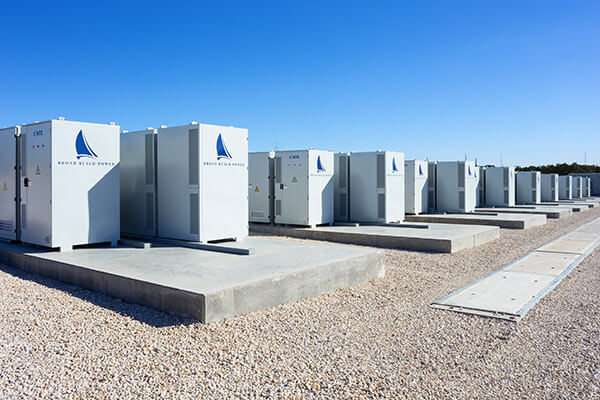
Broad Reach Power, with a significant engineering hub in Houston, leads the way in developing and deploying large-scale battery storage facilities across Texas. Their engineers specialize in designing and optimizing these systems, which allow the storage of surplus solar and wind energy for use during periods of high-demand or low production. Their projects, such as the Tranquility Energy Storage system near Houston, showcase the city’s advanced capabilities in this critical sector. Another prime example is the project by Plus Power, which began construction in 2025 on a major 200 MW battery complex. This engineering feat is designed to store excess energy generated by solar and wind farms. Through such solutions, Houston’s engineers are tackling the challenge of intermittent green energy.
Ambitious Goals in Combating the Greenhouse Effect
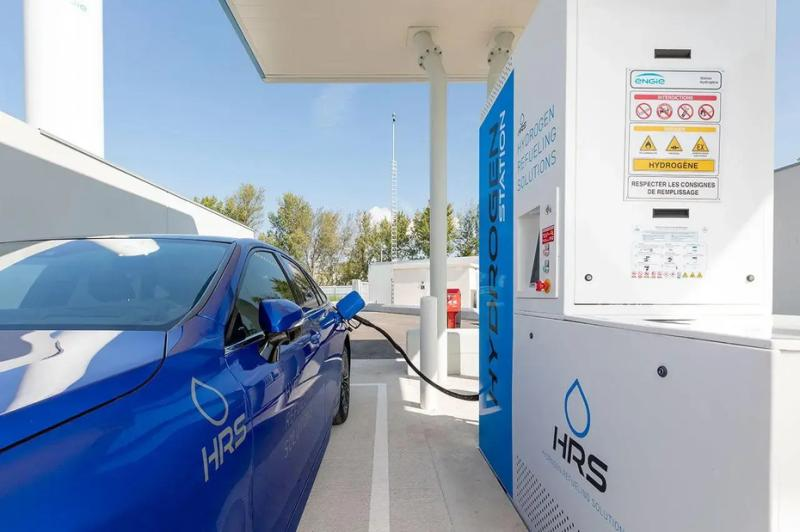
The contribution to hydrogen energy development also deserves attention. While some projects are still in the discussion phase, engineers are already working on their implementation. For instance, ExxonMobil announced its intention to build one of the world’s largest low-carbon hydrogen production facilities in Baytown, near Houston, capable of producing up to 1 billion cubic feet of hydrogen per day. This is a complex engineering project that involves capturing and storing over 98% of carbon dioxide emissions. Such initiatives demonstrate how engineers are leveraging their expertise from the oil and gas industry to develop revolutionary technologies with the potential to significantly reduce the industrial carbon footprint.
One of Texas’s Largest Solar Farms
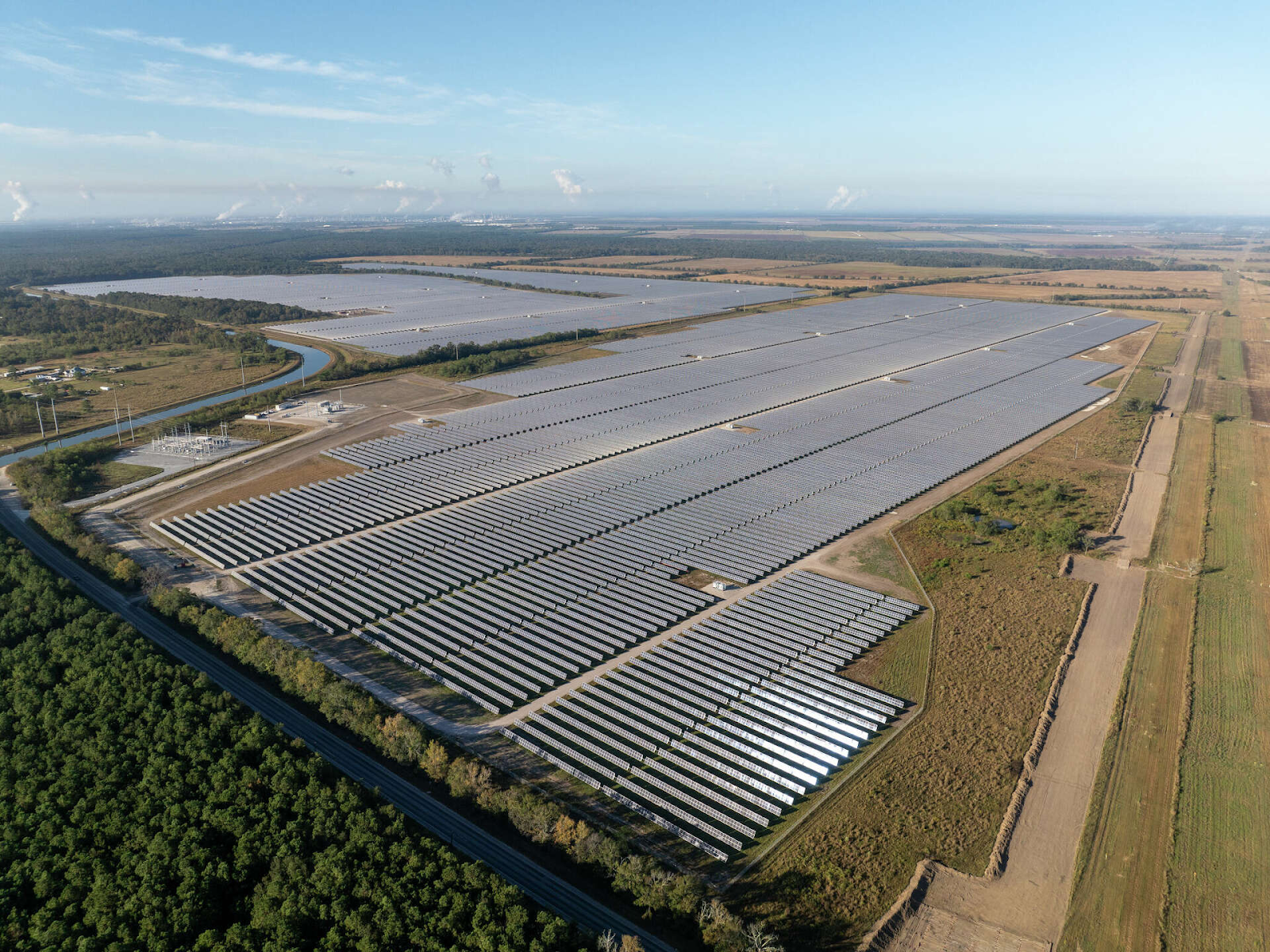
Another striking example is the Houston Solar Farm, developed and constructed with the participation of local engineering firms. This massive project, located in southeastern Harris County, is one of the largest of its kind in Texas. Engineers were responsible for its entire lifecycle: from meticulous site analysis, including geological surveys and solar radiation assessment, to designing the optimal panel configuration to maximize energy production. They also integrated sophisticated sun-tracking systems that allow the panels to rotate with the sun’s movement throughout the day, significantly boosting efficiency.
The Path to a Sustainable Future
The transition to “green” energy is a complex process. Houston holds a unique advantage: a vast pool of skilled engineers and scientists with extensive experience in the energy sector. However, numerous challenges remain, including the need to adapt infrastructure and attract substantial investment. Through the collaborative efforts of government, businesses, and scientific communities, Houston can become not only the capital of traditional energy but also a global leader in sustainable energy solutions. Engineering continues to be the key factor determining the success of this ambitious endeavor.
The changing energy landscape in Houston is opening new career horizons for engineers. Specialists who previously worked in the oil and gas industry are now reskilling, gaining expertise in renewable energy fields. Instead of designing drilling rigs, they are developing control systems for solar farms or optimizing grids for wind energy integration. This creates new jobs, attracts investment, and contributes to the diversification of the city’s economy. Houston’s transformation illustrates how the engineering community can adapt to global changes and become their primary driver, shaping the future of the city and the energy industry as a whole.
