

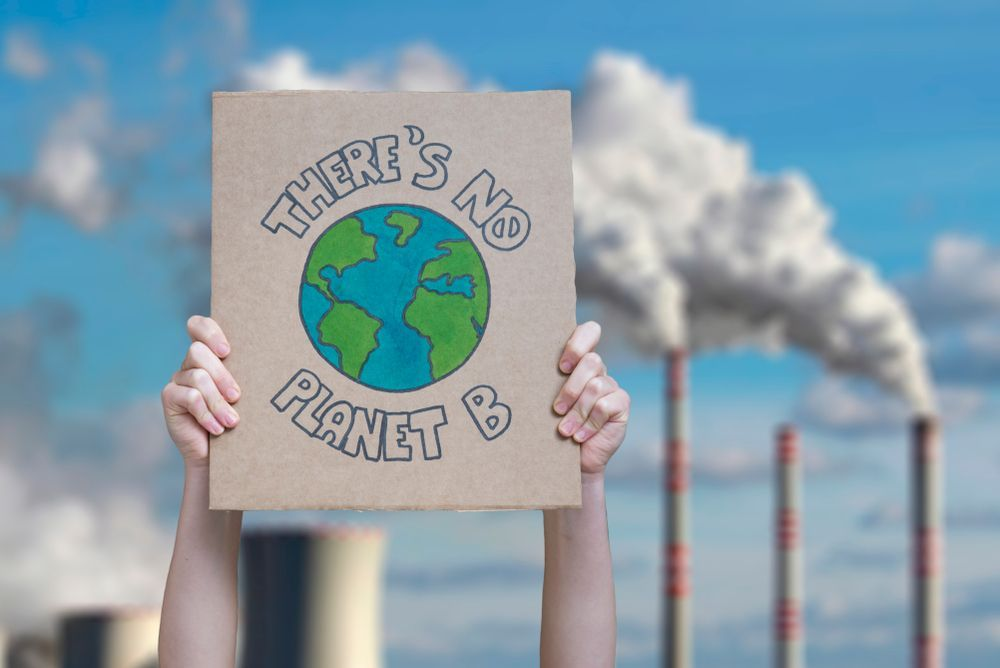
Houston, a sprawling metropolis on the Gulf Coast, has long been susceptible to the impacts of climate change, especially extreme weather events like hurricanes and floods. However, recently, the city has shown increasing resolve in tackling these challenges. Houston’s approach to climate change is multifaceted, encompassing a range of strategies, innovative programs, and a realistic understanding of current difficulties. We’ll delve into the main directions on houstoname.
Strategic Planning and Vision
Houston, like any major city, faces the relentless challenges of climate change. But instead of passively waiting for the next disaster, the city has made a bold commitment. Its climate actions are now defined not just by emergency response but by forward-thinking plans – Resilient Houston and the Houston Climate Action Plan (CAP). These documents, developed in collaboration with the wider public, are far more than just a list of recommendations. They are a true strategic roadmap, paving the way toward ambitious goals for reducing greenhouse gas emissions.
At the heart of these plans are vital sectors:
- energy,
- transportation,
- waste management,
- water resources.
Houston’s city officials and residents have deeply realized that the city’s future depends not only on its ability to withstand storms but also on how quickly and effectively it can adapt to the new climatic reality. This vision includes not only technical solutions but also a commitment to environmental justice, because no community should be left to face the consequences of climate change alone. These plans are not just a document; they are a declaration of Houston’s intent to be a leader in building a sustainable and just future.

Key Directions of Transformation
Houston is actively working to implement a series of initiatives aimed at creating a more resilient and environmentally friendly future.
- Transition to Renewable Energy. As a traditional energy capital, Houston is paradoxically becoming a leader in the adoption of renewable energy sources. The city has set ambitious goals to fully power its municipal operations with renewable energy, and it encourages the broader community to participate through incentives and partnerships. This includes significant investments in solar and wind energy projects.
- Sustainable Transportation. Recognizing that transportation is one of the primary sources of emissions, Houston is investing in expanding public transit options, promoting cycling and walking, and encouraging the use of electric vehicles. Programs include building new bike lanes, implementing electric buses, and developing charging infrastructure.
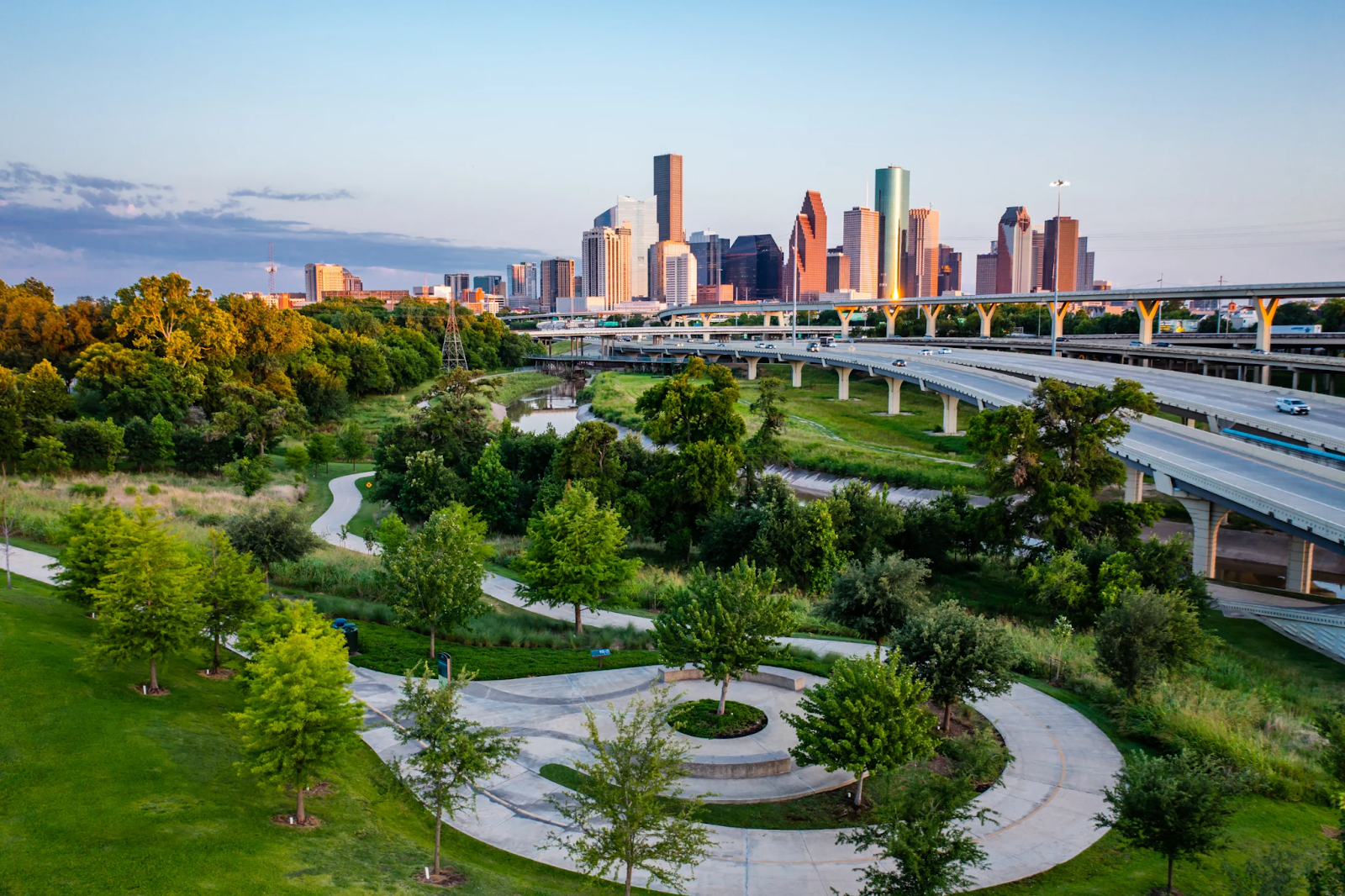
- Strengthening Flood Resilience and Green Infrastructure. After the devastating impact of Hurricane Harvey, Houston significantly changed its approach to flood control. The focus shifted from traditional “gray” infrastructure (concrete channels and dams) to nature-based solutions, or “green infrastructure.” This involves acquiring and preserving floodplains and wetlands, implementing bioswales, rain gardens, and permeable surfaces, as well as updating building codes that require higher elevation of building foundations in flood-prone areas.
- Waste Reduction and Circular Economy. The city actively promotes recycling and waste diversion programs and explores opportunities for developing a more circular economy to reduce landfill waste and associated emissions.
- Community Engagement and Environmental Justice. Recognizing that climate change disproportionately affects vulnerable communities, Houston prioritizes equitable solutions and ensures that climate resilience programs benefit all residents. This involves active community engagement and addressing historical injustices in development.
- Improved Data and Monitoring. Significant investments have been made in enhanced flood plain mapping and real-time water level monitoring systems to improve early warning capabilities and inform future development decisions.
Challenges on the Path to Resilience
Despite its impressive proactive steps, Houston faces a number of serious difficulties in its fight against climate threats. Large-scale infrastructural transformations, modernization of drainage systems, creation of nature-based infrastructure, and adaptation of urban spaces to new climate realities—all of this requires not just significant but colossal investments. We’re talking not about tens, but about billions of dollars. Securing stable and long-term funding from the federal government, the state, city authorities, and the private sector is a challenge that demands coordinated action and forward thinking. Often, money is allocated only after disasters, but a resilient system requires regular, “proactive” investments.
At the same time, it’s crucial that political will doesn’t wane with news headlines. Decisions must extend beyond mayoral terms and legislative cycles. Without consistency and a strategic vision, even the best plans risk remaining just on paper.
Beyond financial barriers, many challenges lie within the metropolis’s structure itself. Effective climate change mitigation requires coordination among dozens of municipalities, counties, agencies, and private owners within greater Houston. Given varying jurisdictions, levels of preparedness, access to resources, and institutional interests, forming a unified, region-wide approach proves to be an extremely difficult task.
Another obstacle is Texas’s unique legal framework. Strong private property protections enshrined in state law don’t always facilitate the implementation of infrastructure solutions. Land acquisition for constructing water retention structures or widening bayous is often complicated by owners’ unwillingness to sell parcels, and the city’s power of eminent domain is significantly limited. These legal and social barriers slow down or even prevent the realization of critically important projects.
A Look to the Future
Unfortunately, the accelerating pace of global climate change may outpace the city’s ability to adapt and build resilient infrastructure. This creates a constant race against time, where each new extreme weather event serves as a painful reminder of the urgent need for action and adaptation. However, Houston’s journey in combating climate change is a vibrant testament to its ability to learn from bitter experience and transform.
Once, Houston approached nature with concrete and pipes, like a sword. Today, having been scorched by floods and hurricanes, it’s beginning to seek common ground with it. Storms and hurricanes didn’t just destroy streets; they shattered the illusion that the city could exist by ignoring water, wind, and land.
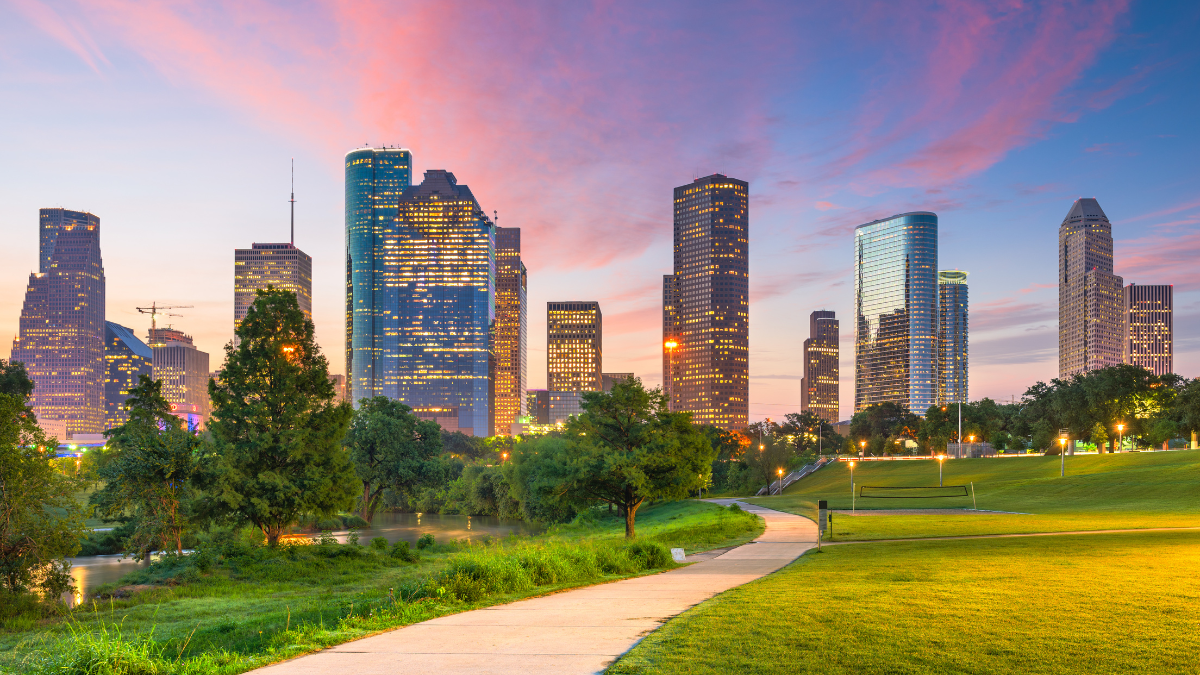
In response, Houston changed its mindset. From “pump it out and forget” to “preserve and adapt.” Bayous are being deepened, prairies restored, and new buildings are already rising higher. Of course, the road is thorny. But the most important thing has already happened: the very tone of the conversation has shifted. In the halls of power, words like “natural balance,” “resilience,” and “environmental justice” are heard more and more often.
Houston hasn’t reached the finish line yet, but it has moved from its starting point. And now, its experience is not just an example, but a warning and a guide for other cities. Either you learn to live with nature, or nature will force you to learn its way, through flood, storm, or loss.
