Hot mineral waters were used even by Native Americans. The southern regions of Texas hide many hot springs. Although there are not as many of them here as in other US states, at least five places are of interest. All of them have healing properties due to the high concentration of minerals in the thermal water. Bathing in them soothes sore muscles, induces healthy sleep and helps relieve symptoms of certain diseases, such as arthritis. Discover a review of the most famous hot springs in Texas on houstoname.
Chinati Hot Springs
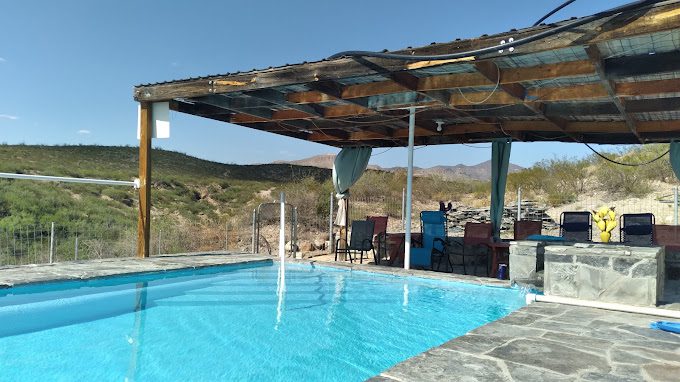
This resort with volcanic hot springs is located in the Chihuahuan Desert, near the town of Presidio. In 1896, the springs and surrounding area were purchased by Annie and Bill Kingston. In 1937, they built a bathhouse and 7 lodges here. Thus, Chinati Hot Springs (also called Ruidosa Hot Springs or Kingston Hot Springs) became a popular tourist attraction.
In 1990, they were bought by the sculptor Donald Judd. He closed the place from public access and allowed only his friends to stay there. After 7 years, photographer Richard Fenker became the new owner of the resort. He returned it to its former status of public access. Fenker created a non-profit corporation for the property and hosted medicinal plant workshops, desert photography sessions and more.
In 2005, Jeff Fort III purchased the place and continued to expand the area and commercialize the resort. Since then, only those who have paid the rent for the accommodation can use the springs.
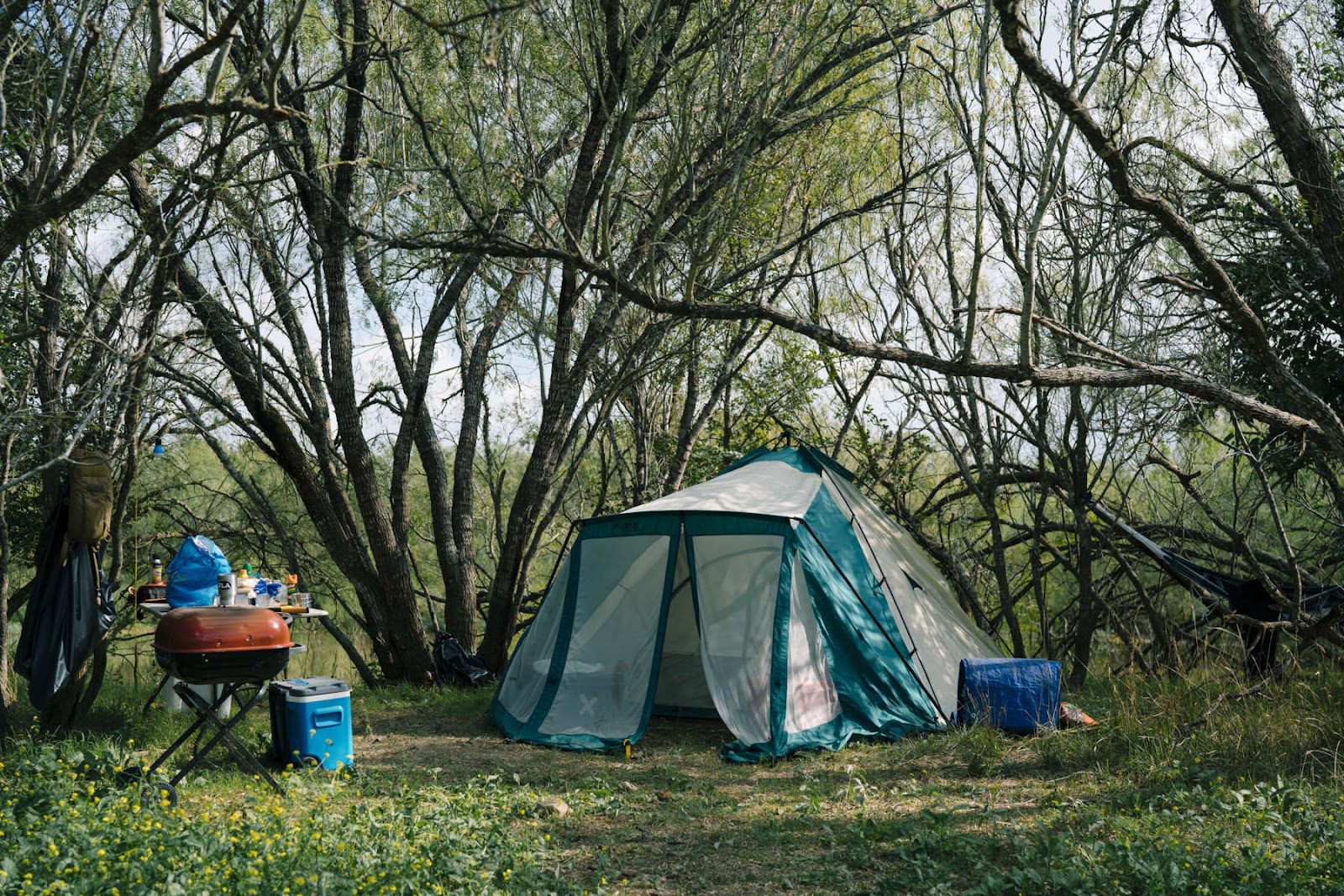
Chinati Hot Springs offers an outdoor pool, a public bath and private baths and showers. One can choose one of the 8 pet-friendly country cottages for accommodation. Each guest has access to a shared kitchen with an outdoor grill. One can also benefit from drinking mineral water here.
Getting to the remote oasis is not easy. One has to drive about 30 km on a dirt road. Still, the effort is worth it! Chinati Hot Springs combines spartan comfort (here you can encounter scorpions and need to hide from the scorching heat) with amenities that will make the stay unforgettable.
Each room has a coffee maker, mini-fridge, air conditioner and heating. It’s necessary to bring food and drinks, as the nearest store is an hour’s drive from the resort. Do not come by electric car because the local power lines cannot withstand additional charging!
Boquillas Hot Springs
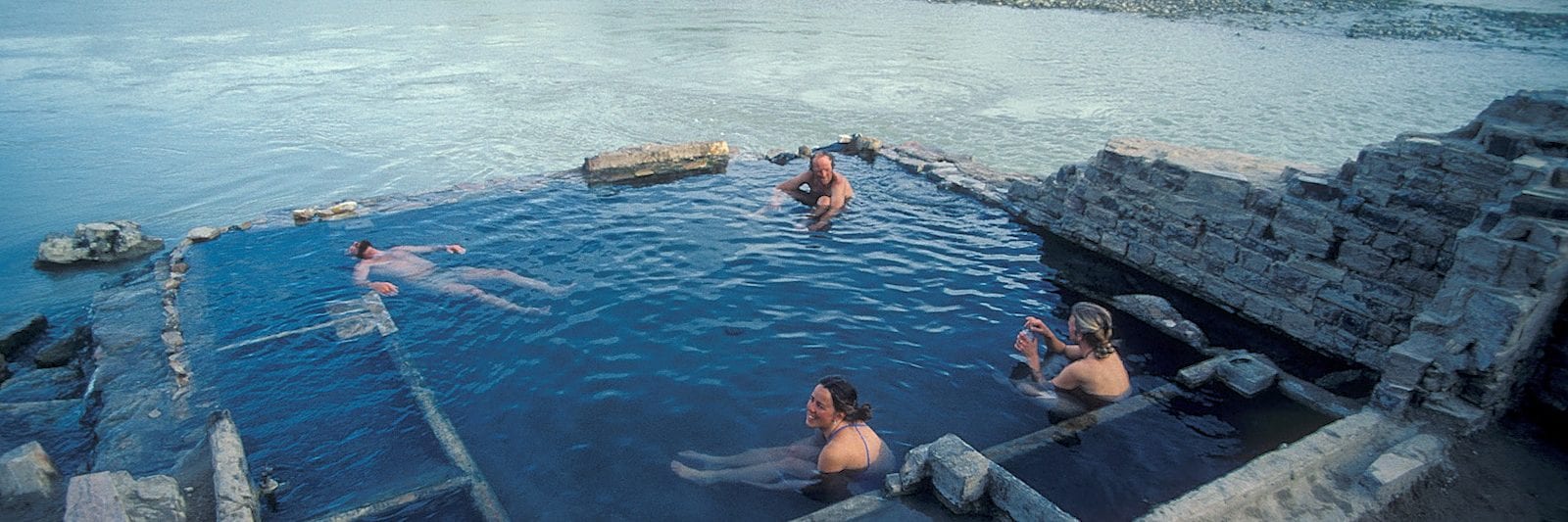
They are also known as Big Bend or Langford Hot Springs. They can be found on the Rio Grande River in Big Bend National Park, near the Mexican border. This is a large cement bath that remains of the historic place.
A native of Mississippi, J.O. Langford suffered from malaria since childhood. He searched for a cure and heard about healing hot springs on the Rio Grande. Together with his wife Bessie and their 18-month-old daughter, he set out in 1909 for the site. There he found Cleofas Natividad with his wife and 10 children. The families began to cooperate. Langford underwent a 21-day treatment here. He drank mineral water and bathed in the spring waters.
The place became a tourist attraction even before the establishment of the national park. A small stone bath was dug out of the local stone for bathing. Later, the Langfords built a house, a stone bathhouse and brushwood bathing sheds here. The Langfords left in 1912 because the area became dangerous due to the appearance of bandits. However, they returned in 1927 and rebuilt the bathhouse with a canvas roof. In addition, a store and a motel were built here.
The spring water contains sodium, potassium, calcium, magnesium, sulfates and chlorides, as well as small concentrations of arsenic, lithium, rubidium, strontium, thallium, uranium and tungsten. Getting to the place is easy. One needs to park at the trailhead in the park and walk about 1 km. Walking with dogs on a leash is allowed.
Barton Springs Pool
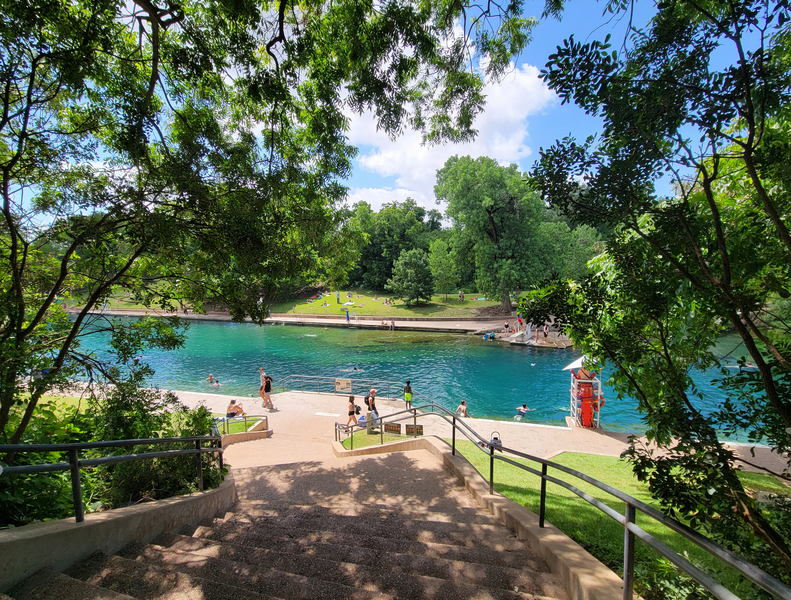
This is an outdoor pool that is completely filled with water from nearby springs. It is located in the city of Austin, in Zilker Park. It is a popular place to cool off in the summer. The area is protected due to the presence of the endangered salamander. There are bathrooms, changing rooms and picnic areas near the pool.
Long before this pool was built, the springs were a sacred place for rituals of the Tonkawa tribe. In 1837, William Barton named 3 separate springs after his three daughters: Parthenia, Eliza and Zenobia. He and subsequent owners of the area recognized its value for tourists and actively promoted it in every possible way. The last private owner of the property was Andrew Jackson Zilker. He transferred it to Austin in 1918. In the 1920s, the city created a larger swimming area by damming the springs and building sidewalks.
It is forbidden to bring refrigerators here, as well as food, drinks that cannot be closed (except water), glass containers, alcohol, loudspeakers, bicycles and pets (except service animals). The pool is closed during flash flood warnings because it can flood, making swimming unsafe. Dirt and debris after the flood are removed from it for several days.
Krause Springs
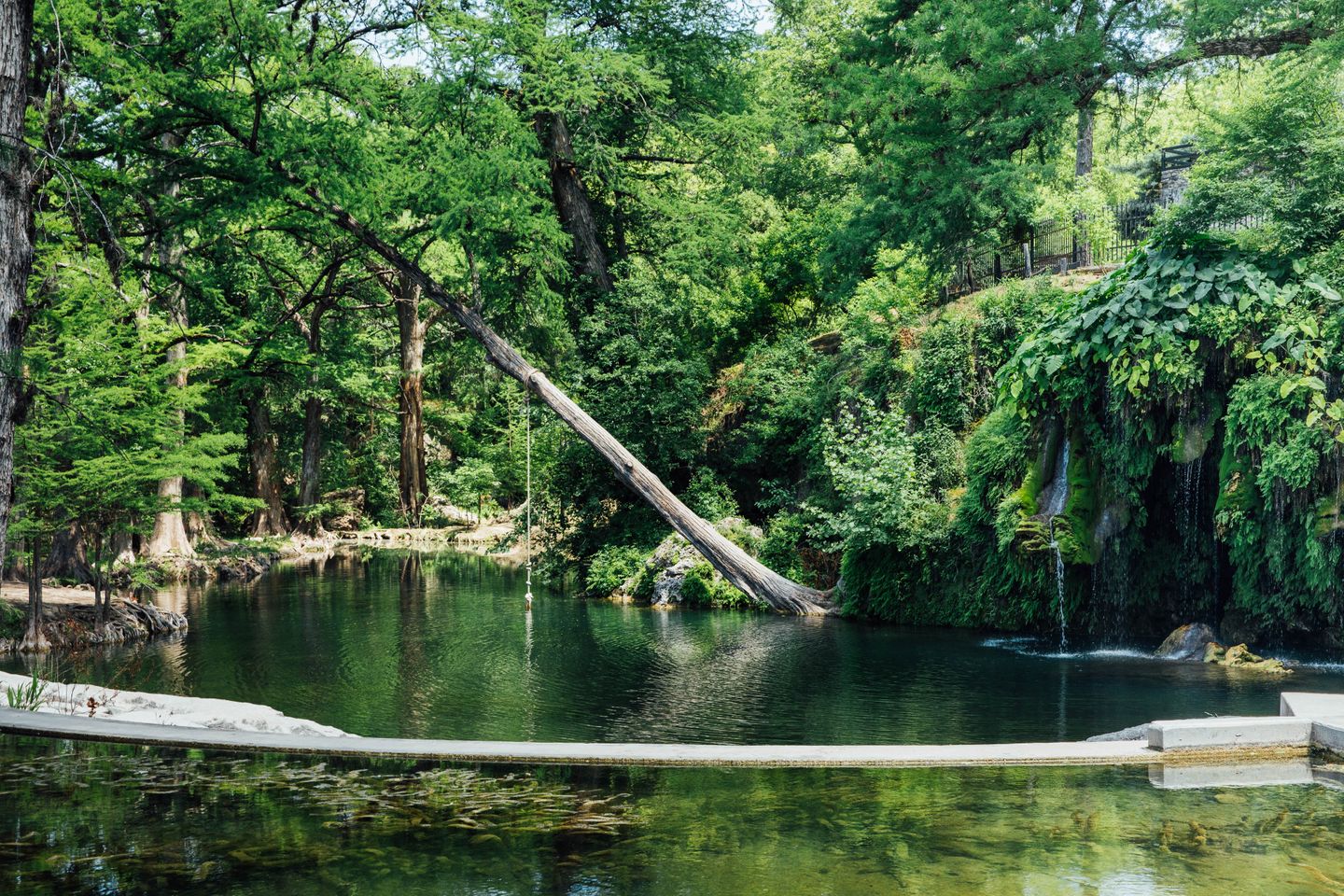
This is a private park with campsites, 32 natural springs, swimming holes, trails, waterfalls, etc. It is located in the picturesque mountain community of Spicewood, nearly 45 minutes from Austin. The area belongs to the Krause family.
Visitors have access to a large cement thermal pool and lagoon with hot springs and waterfalls. One can enjoy the waters and explore nature near the springs, such as the butterfly gardens. There are 24 RV spaces with water supply and electricity, bathrooms and showers on the territory. By the way, it is not necessary to wear clothes while bathing.
Capote Springs
This site can be found in Presidio County, near Candelaria. This is a unique part of the Chihuahuan Desert. After swimming in them, you can take a short walk to one of the largest local waterfalls, Capote Falls (53 m).
The waterfall is located on the territory of private property. Therefore, there is no chance to get close to it. The water falls through two ledges, which are covered with a clear layer of travertine from the mineral-rich waters of the stream. The name of the waterfall is translated from Spanish as cloak because of the travertine formation that hangs above it.
The place is remote from civilization and there are not too many options for staying overnight. There are several campsites nearby and the nearest RV sites are about an hour’s drive away. If you want to learn more, visit the Marfa and Presidio County Museum.
Very rare plants such as Aquilegia vulgaris and the endangered multi-stemmed spider flower have been found only here. The animal world is represented by the canyon tree frog, the unisexual teiidae (lizard family) and the bat Eumops perotis.
The rocks near the springs served as protection for the prehistoric inhabitants, whose pictographs and mortar holes could still be seen in 1990.