

Houston, the energy heart of America, is a sprawling city closely surrounded by industrial giants. This unique geography and industrial legacy have created a true battleground for the environment. From the smog that clouds the horizon to the threat of flooding that becomes more real each year, the challenges are significant. And right here, in the heart of Texas, a powerful story of citizen engagement is unfolding. As the saying goes, “God helps those who help themselves.” Ordinary residents, united by a common goal, are stepping up to demand change and fight for a cleaner, healthier future. You can read more about how this process is unfolding in Houston at houstoname.
Echoes of the Past
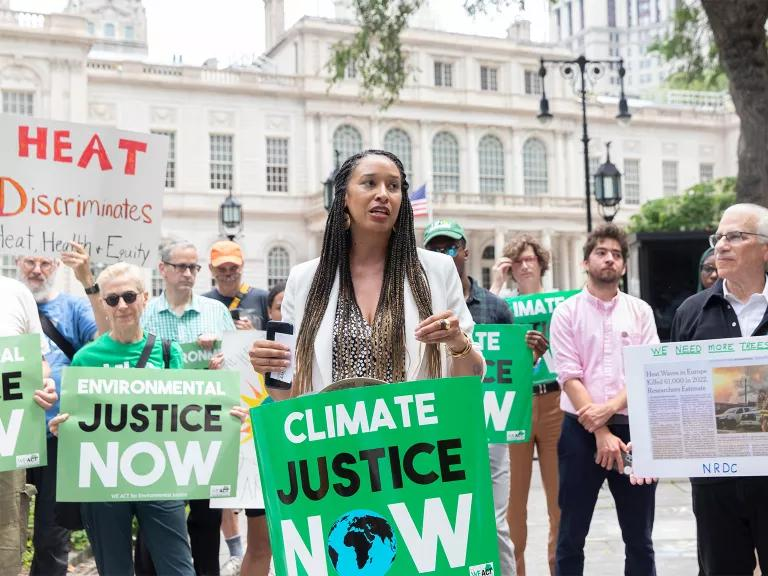
Houston’s environmental issues didn’t appear overnight. Decades of a postwar industrial boom, accompanied by a lack of comprehensive zoning, led to the expansion of petrochemical plants and other facilities. Urban areas, particularly those known as “fenceline communities,” often inhabited by lower-income minority groups, have consistently suffered from high concentrations of air and water pollutants.
It was from these communities that the organized struggle began. Initially, these were scattered protests against specific landfills or factories, but over time, they evolved into powerful, well-organized movements. These initiatives learned to use scientific data and legal mechanisms and build broad coalitions to counter industrial pressure.
The Invisible Threats
A lot of problems have accumulated since the last century.
- Air Pollution. The proximity to the country’s largest petrochemical complex along the Houston Ship Channel has made air quality a persistent struggle for the city. Emissions of toxic substances, from volatile organic compounds to benzene, cause increased rates of cancer, asthma, and other respiratory illnesses in nearby communities. Activists relentlessly monitor the air quality, seeking to strengthen regulations on industrial emissions.
- Water Pollution. Galveston Bay and the numerous bayous that crisscross Houston suffer from discharges from industrial facilities, agricultural runoff, and urban sewage. This poses a direct threat to marine life, fisheries, and recreational activities.
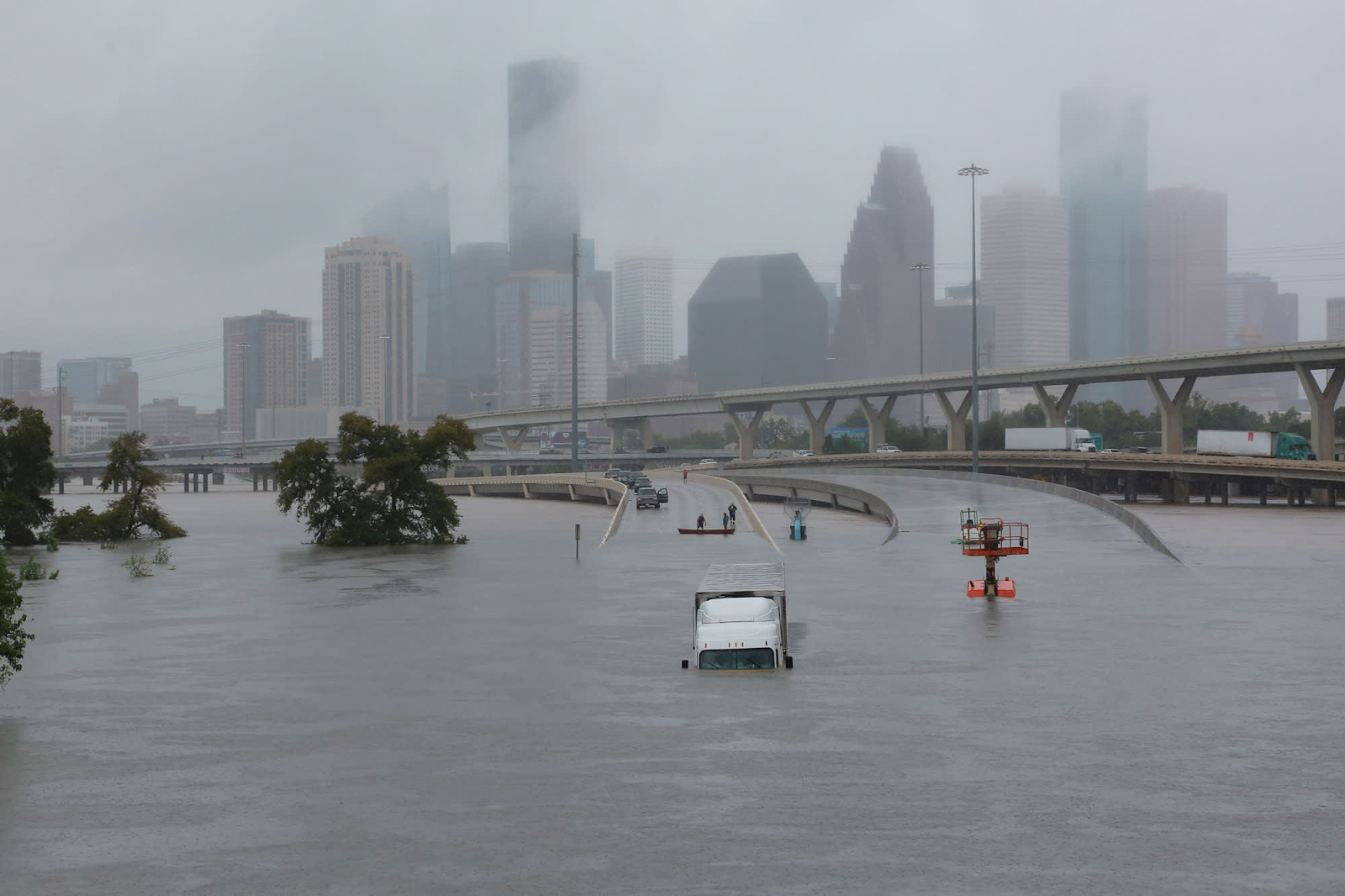
- Water Extremes and Climate Change. Houston is one of the most flood-vulnerable large cities in the U.S. The problem is exacerbated by intensive development, which absorbs natural “sponges” – the prairies and wetlands. Climate change, manifesting as more intense rainstorms and hurricanes, only aggravates the situation. Residents are insisting on smarter urban planning and investments in “green” infrastructure.
- Environmental Justice. This is a fundamental principle of environmental activism in Houston. Historically, the most polluted areas are home to low-income populations and minorities who have less political influence and fewer resources for protection. Activists are working to ensure these communities have a voice and access to a clean, safe environment.
The Voice of the Community
A wide range of environmental groups operate in Houston, each applying its own methods and striving toward specific goals. Their joint effort forms a multi-layered front in the fight for an ecological future.
| Organization/Initiative Name | Primary Focus | Typical Strategies and Tactics |
| Texas Environmental Justice Advocacy Services (t.e.j.a.s.) | Defending the rights of communities affected by pollution (environmental justice), primarily low-income and minority groups. | Legal support, organizing protests, advocacy at the state and federal levels, monitoring violations. |
| Sierra Club (Houston Chapter) | A wide range of issues: clean air and water, wildlife preservation, fighting climate change. | Lobbying for legislative changes, educational programs, engaging volunteers in conservation projects, public campaigns. |
| Galveston Bay Foundation | Preserving and restoring the Galveston Bay ecosystem. | Programs for restoring oyster reefs and marshes, monitoring water quality, environmental education, scientific research. |
| Coastal Prairie Conservancy | Permanent protection and restoration of coastal prairies. | Land acquisition, conservation easements, financial support for private landowners, habitat preservation for birds and pollinators. |
| Houston Environmental Justice Collective | Coordination and amplification of grassroots voices working on environmental justice. | Joint actions, resource sharing, raising awareness, lobbying for policy at the local level. |
| Public Citizen (Texas Office) | Consumer protection, promoting environmental responsibility in energy policy and industrial regulation. | Advocacy, policy analysis, public education, lawsuits against corporations and the government. |
| Texas Campaign for the Environment | Waste reduction, promoting recycling, fighting industrial pollution at the state level. | Community campaigns, advocacy for legislative changes (e.g., zero-waste policies), organizing activists. |
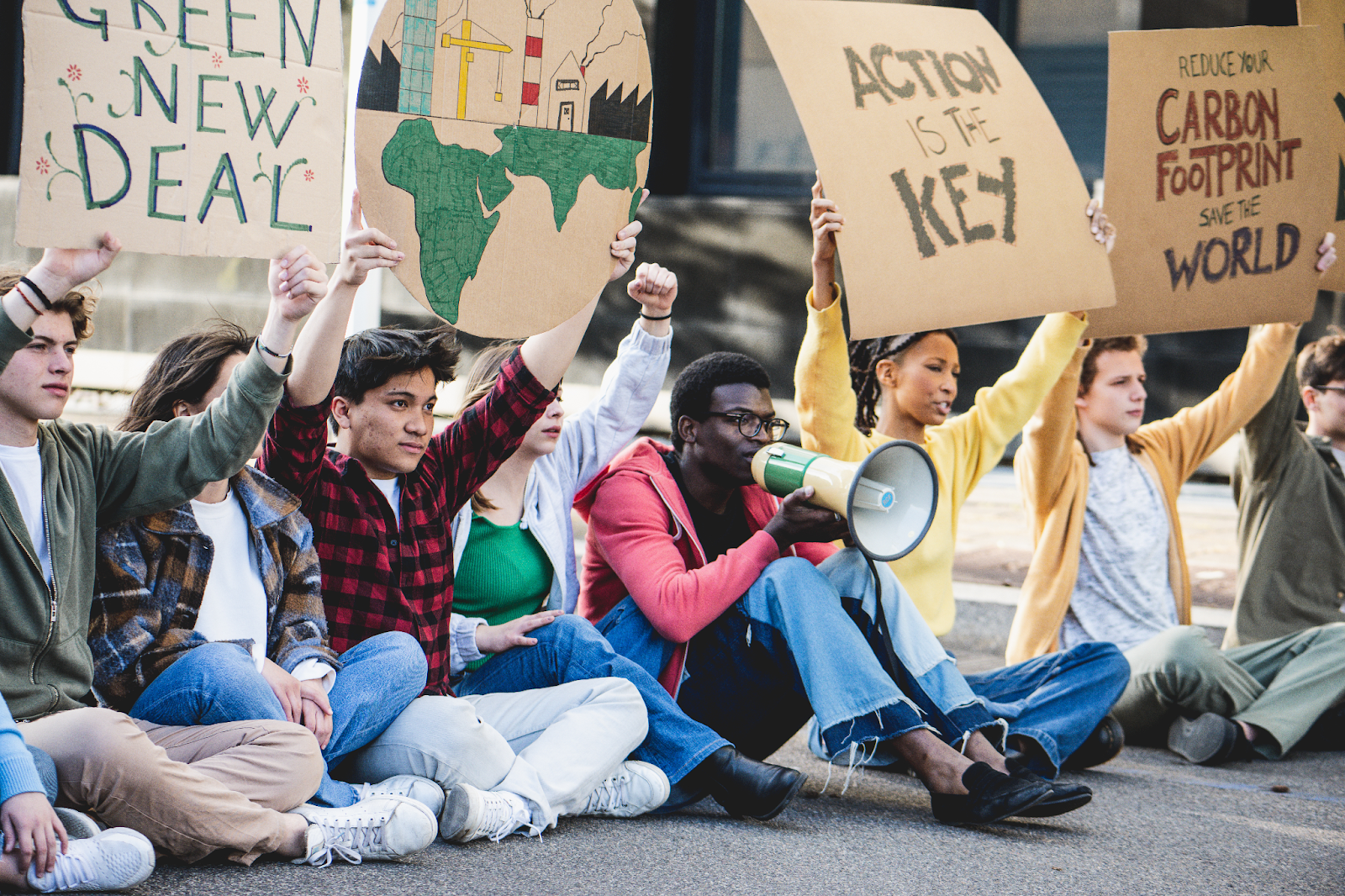
In addition to the activities of these groups, Houston residents actively use tactics like community monitoring involving citizens in collecting data on pollution, public demonstrations, and direct action.
Challenges and Victories
The fight for a clean environment in Houston is a complex, long-term process with its share of difficulties and successes.
Serious obstacles face activists. The powerful industrial lobby has significant influence in Texas, which complicates the strengthening of environmental legislation. Lack of resources means grassroots groups often operate on very limited funding. The general pro-business stance of the state of Texas does not always support environmental initiatives. Furthermore, burnout from the struggle is a real challenge for activists. Solving environmental problems that have accumulated for decades requires significant time and effort. We also can’t forget about “greenwashing” — when companies only mimic environmental responsibility without implementing real changes.
However, despite these obstacles, citizens’ efforts are not in vain. Activists have achieved several significant victories:
- The closure or relocation of some particularly hazardous polluting facilities. For example, residents of Fort Bend County, along with local officials, successfully campaigned to suspend a permit application for a concrete crusher by Julpit, Inc., in 2024.
- Strengthening government control and monitoring of air and water quality.
- Increased public awareness regarding environmental risks.
- Investments in “green” infrastructure, particularly in parks and water detention areas to combat flooding.
- Successful lawsuits that resulted in significant fines for polluters and compensation for those affected.
- Influence on local politics, as activists support candidates who prioritize environmental issues.

Houston’s Ecological Future
The fight for Houston’s clean future continues. Priorities include further adaptation to climate change, pressure on industry to reduce emissions and transition to clean energy sources, and the restoration of natural ecosystems. The principle of environmental justice remains paramount—ensuring every community’s right to a clean environment.
It is thanks to the tireless efforts of citizen activists that Houston, despite its industrial nature, is gradually transforming into a more environmentally conscious city. This proves that even in the very heart of the oil and gas industry, the voice of the people can change the course of history and pave the way for a sustainable future.
