

exas’s coastal ecosystems, especially those surrounding the metropolis of Houston, are extremely vital and biologically diverse. They play a critical role not only for local flora and fauna but also for environmental protection and the region’s economy. These unique natural complexes, including coastal prairies, wetlands, salt marshes, bays, and estuaries, are essential for maintaining ecological balance. More details are available on houstoname.
Key Ecosystems and Their Characteristics
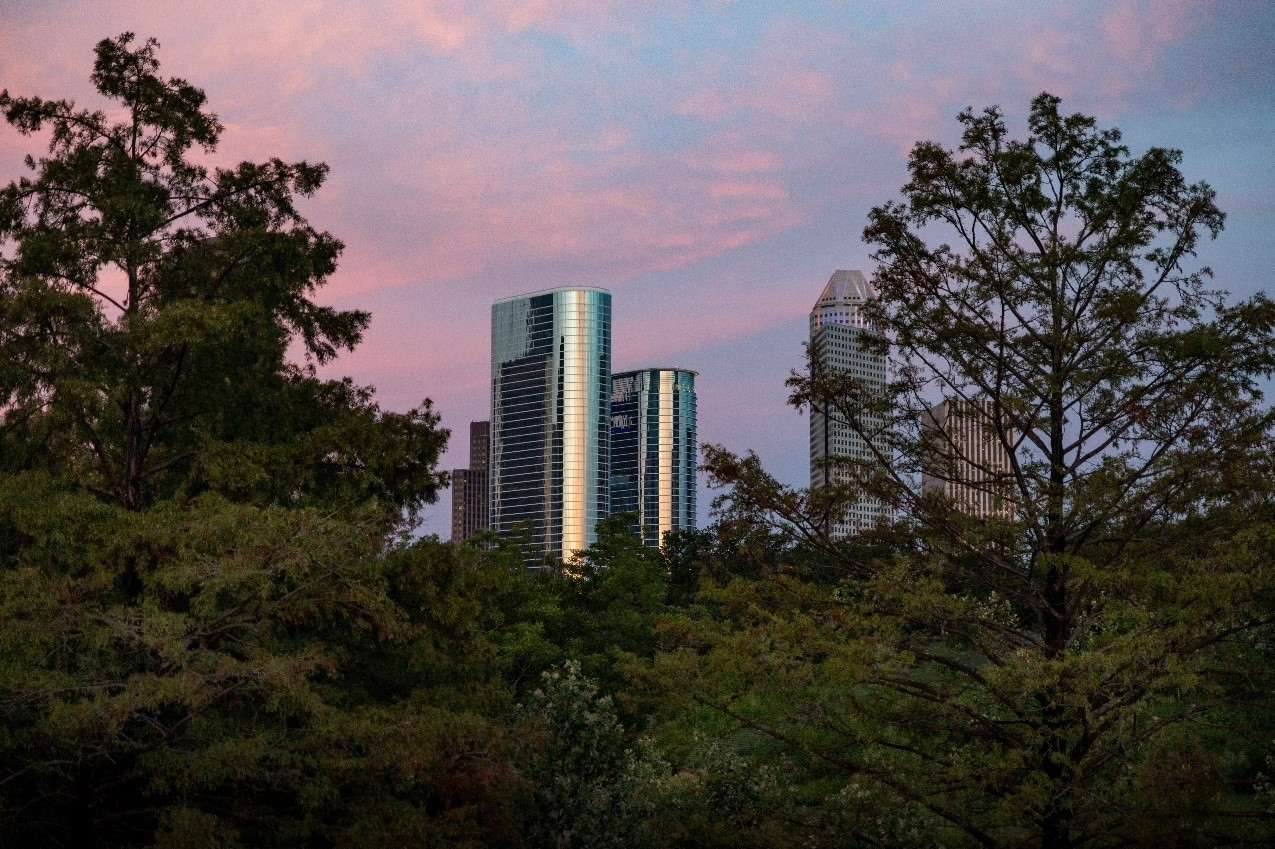
The Greater Houston region and its adjacent counties are located in one of the most ecologically diverse large urban areas in the U.S. Ten ecoregions coexist here: seven terrestrial and three aquatic. The most important coastal ecosystems include:
- Coastal Prairies. These are among the most endangered habitats, rich in native grasses and wildflowers such as big bluestem, little bluestem, switchgrass, and Indiangrass. They are a hub of high levels of plant biodiversity.
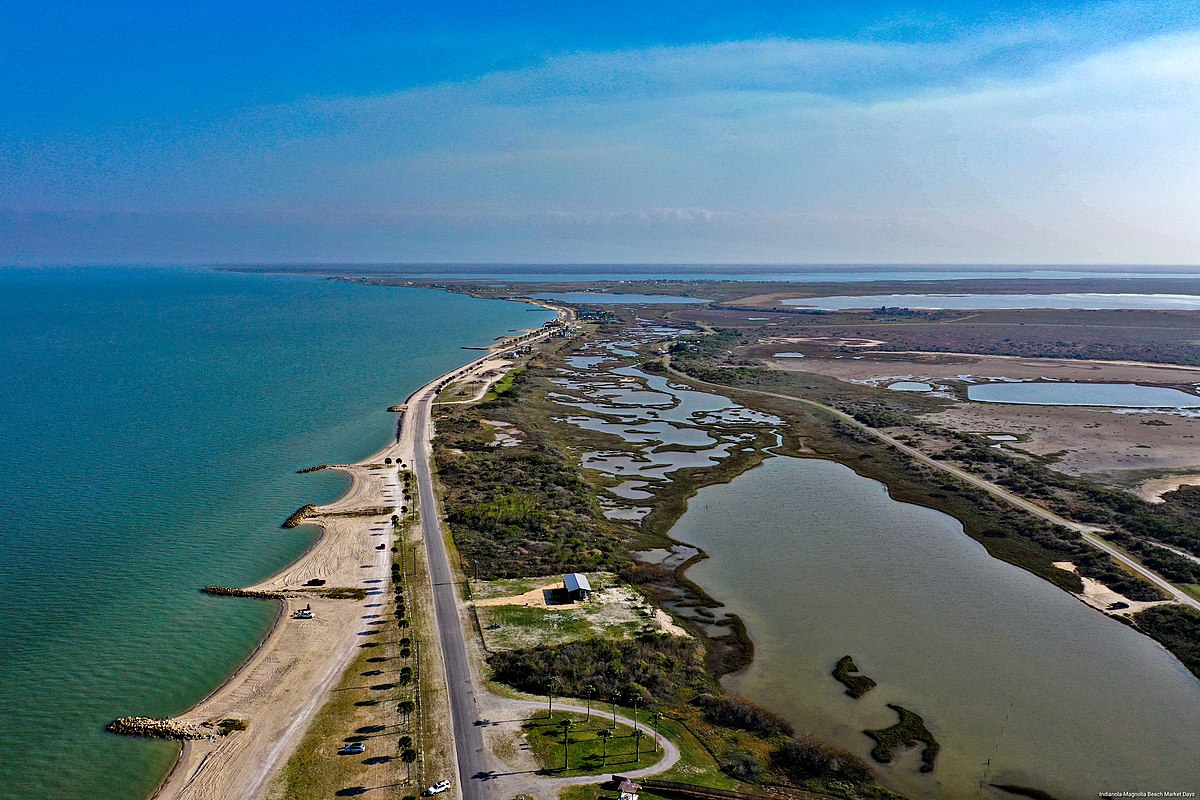
- Wetlands and Salt Marshes. These areas act as natural sponges, protecting against erosion, filtering water, and providing vital habitats for wildlife. Coastal marshes and intertidal environments are primary breeding grounds for many bird species and serve as feeding grounds and stopovers for millions of migratory birds.
- Bays and Estuaries. These are places where river waters meet and mix with ocean waters, forming unique estuaries. They are key nurseries for over 95% of fish species and invertebrates that have recreational and commercial value, such as shrimp, blue crabs, red drum, spotted seatrout, and more.
- Gulf of Mexico Coast. Stretching for 367 miles, it is characterized by sandy beaches on the outer coast and salt marshes and oyster reefs in the inner bays.
Biodiversity and Ecological Significance
These ecosystems are home to an extraordinarily diverse array of plant and animal life. Besides the aforementioned fish and grass species, numerous amphibians, reptiles, mammals, and invertebrates reside here. Oyster reefs are important spawning grounds and feeding areas. They also contribute to water filtration.
The ecosystems provide a range of ecosystem services that are integral to the region’s well-being:
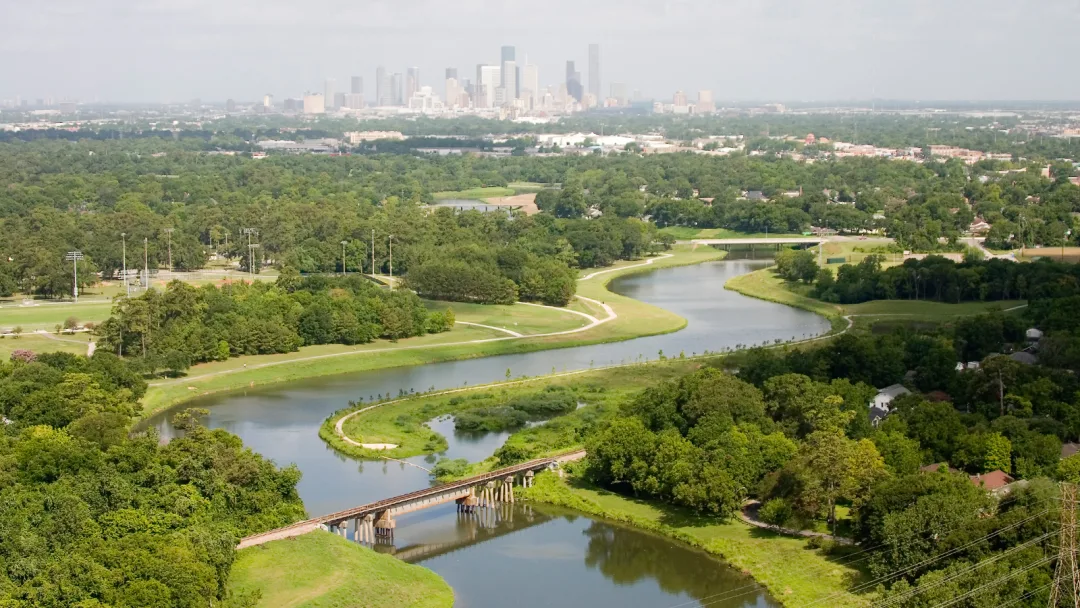
- Flood protection: wetlands and prairies absorb excess water during heavy rainfall and storms, reducing the risk of flooding in urban areas;
- Water filtration: they naturally purify wastewater and pollutants before they enter the bay and ocean;
- Coastal protection: marshes and mangrove forests act as natural barriers, protecting the coastline from erosion and storm surges;
- Fisheries support: bays and estuaries are key nurseries for commercially important fish and shellfish species.
Persistent Challenges: Threats to Houston’s Coastal Treasures
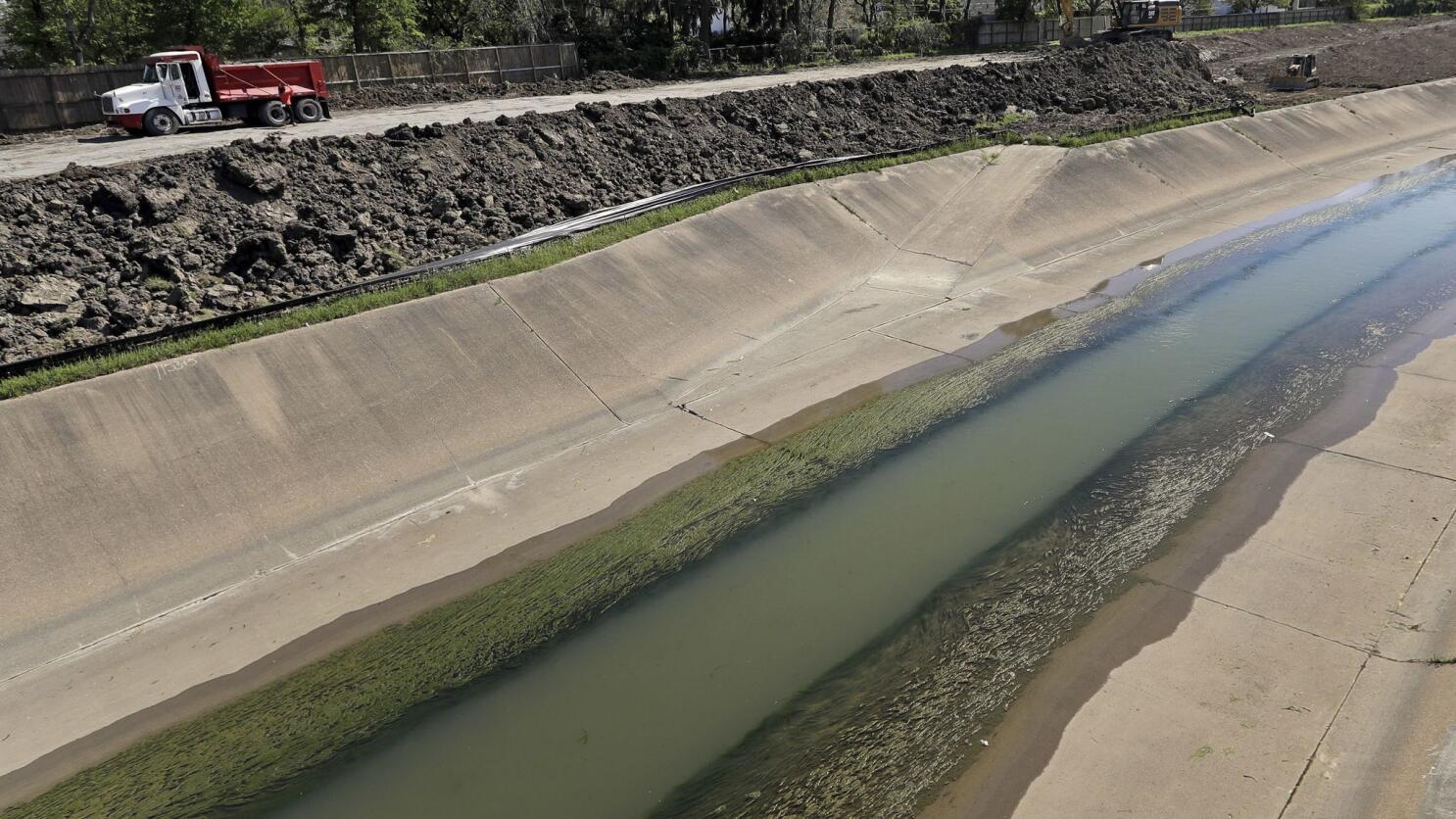
Despite their incredible ecological value and vital functions, Texas’s coastal ecosystems, stretching alongside Houston, are under constant pressure, facing serious threats. The most prominent issue is relentless urbanization. Houston’s rapid, uncontrolled growth leads to the unyielding conversion of unique natural landscapes into entirely built-up areas. A mere 3% of the original coastal prairie expanse remains in its pristine state, a stark testament to the scale of loss.
An additional blow to local flora and fauna comes from the invasion of non-native species. These exotic plants and animals, entering fragile ecosystems, displace native species, disrupting the delicate natural balance and reducing biodiversity. Equally destructive is pollution, stemming from various sources: industrial emissions, agricultural runoff, and urban contaminants negatively impact water and soil quality, poisoning vital habitats.
A particular threat to coastal prairies is the suppression of natural fires. While fires are often perceived negatively, for many native plant and animal species in the prairies, they are an essential element of the life cycle, promoting renewal and survival. However, due to human activity, these fires are often suppressed, which disrupts natural processes. Finally, climate change exacerbates all these problems: rising sea levels, increased intensity of destructive hurricanes, and unstable temperature regimes threaten the integrity of these fragile ecosystems, casting doubt on their continued existence. Even overgrazing by livestock creates issues. Some grass species, historically adapted to bison grazing, cannot withstand the pressure from cattle and are replaced by alien, less beneficial plants.
Houstonians Guarding Nature
Recognizing the scale of these threats, numerous organizations and initiatives in and around Houston are joining forces to protect and restore these invaluable natural resources. Their work is multifaceted and demonstrates a shared commitment to preserving unique ecosystems.
| Organization/Initiative Name | Primary Mission and Activities |
| Houston Wilderness | This powerful alliance, bringing together businesses, conservation organizations, and government entities, actively works to protect and promote ten unique ecoregions in the Greater Houston area, Galveston Bay, and the Texas coast. They develop large-scale environmental policy initiatives, such as the Houston-Galveston Bay Regional Conservation Plan, which is an ambitious step towards systemic conservation. |
| University of Houston Coastal Center | This research center actively manages and restores coastal prairies and wetlands, applying advanced methods, including controlled burns, mowing, and herbicide treatments, to ensure a return to a natural state. |
| Coastal Prairie Conservancy | Formerly known as Katy Prairie Conservancy, this organization is dedicated to the permanent protection of land. It uses tools such as conservation easements and even provides financial support to private landowners to incentivize them to preserve their territories. Their activities focus on preserving critically important habitats for birds and pollinators. |
| National Wildlife Refuges | In close proximity to Greater Houston, there are five such refuges (e.g., Anahuac, Brazoria, and San Bernard National Wildlife Refuges). These federal sites play a key role in wildlife management and ensuring vital habitats for numerous species. |
| Oyster Reef and Salt Marsh Restoration Programs | These are targeted initiatives aimed at restoring key coastal ecosystems. These environments not only serve as vital “nurseries” for diverse marine species but also play a critical role in protecting coastlines from erosion and storm surges, creating a natural barrier. |
The preservation of biodiversity in Texas’s coastal ecosystems near Houston is an ongoing, complex, and multifaceted process. It requires the consolidated efforts of government, the scientific community, non-governmental conservation organizations, and, most importantly, the active participation of local residents. Only through collaborative actions can a sustainable future be ensured for this unique and invaluable natural heritage.
