

Houston, one of the largest cities in the United States, truly serves as the beating heart of America’s oil, gas, and petrochemical industries. Its economy thrives, with massive plants lining the Houston Ship Channel, and millions of people living and working within its vibrant bounds. However, beneath this bustling activity lies a serious, often overlooked, problem: air pollution. Breathing clean air in such an industrial hub is an ongoing challenge, demanding not only strict regulations but also active efforts from all stakeholders. To understand what Houston faces, it’s essential to examine the main culprits behind its atmospheric burden. Let’s delve deeper into this issue on houstoname.
Industrial Smog and Road Traffic
A lion’s share of Houston’s air pollution comes directly from industry. Imagine the sprawling complexes of oil refineries and petrochemical plants stretching along the Houston Ship Channel. These industrial giants are constant sources of various harmful substances. We’re talking about volatile organic compounds (VOCs), which easily evaporate and react in the atmosphere, as well as nitrogen oxides (NOx) and sulfur dioxide (SO2). These compounds not only irritate respiratory pathways but also contribute to the infamous ground-level ozone (smog), especially during hot, sunny weather. Moreover, industry releases hazardous air pollutants (HAPs), some of which can pose serious health risks, including carcinogenic effects.
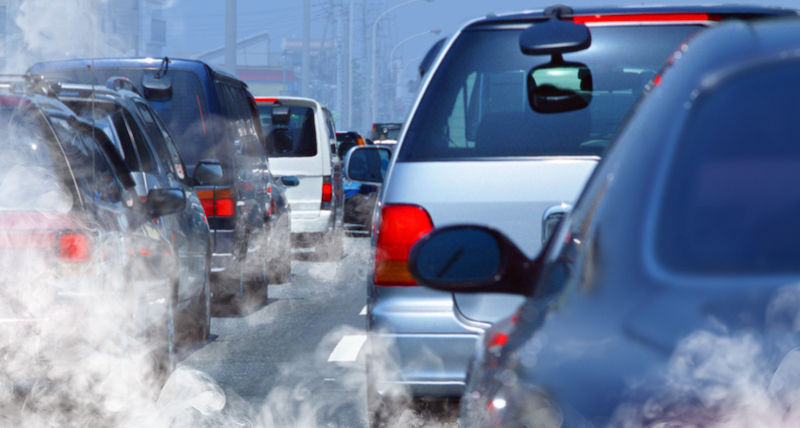
Transportation contributes significantly as well. In a city with millions of residents, where cars are the primary mode of travel, emissions from countless cars, trucks, and buses daily dump carbon monoxide, the same NOx and VOCs, and fine particulate matter into the atmosphere. These particles are so tiny they can easily penetrate the lungs, causing health damage.
Additional factors include other industrial facilities, power plants (even natural gas power plants emit NOx), and Houston’s specific climate: warm, humid air and weak winds create ideal conditions for pollutants to accumulate and ozone to form.
Comprehensive Control
The fight for clean air in Houston is a complex, multi-faceted endeavor that requires coordinated actions at various levels.
- Federal Level. It all starts with the Clean Air Act, enacted by the U.S. Environmental Protection Agency (EPA). This law establishes National Ambient Air Quality Standards (NAAQS) for key pollutants like smog, particulate matter, and sulfur dioxide. States, including Texas, are mandated to develop their own plans (State Implementation Plans, or SIPs) to achieve these standards.
- State Level. The Texas Commission on Environmental Quality (TCEQ) plays the primary role in regulating air pollution in Texas. This agency issues emissions permits to industrial facilities, setting strict limits on the amount of pollutants they can release. TCEQ also manages an extensive air quality monitoring network that collects real-time data, helping to generate the Air Quality Index (AQI) to inform the public. The commission actively investigates any unplanned emissions or industrial accidents.
- Local Efforts and the Port of Houston. City and county authorities, along with the Port of Houston, are actively working to reduce vehicle emissions. This includes exhaust inspections, promoting the use of cleaner fuels, and gradually transitioning to low-emission or electric vehicles. For example, the Port of Houston invests in cleaner diesel, hybrid, or electric cranes and other heavy equipment.
- Investments in Clean Technologies. Industrial giants and the Port of Houston are investing significantly in upgrading equipment, implementing innovative air purification technologies, and utilizing alternative, less harmful fuels.
- Digital Monitoring. Advanced systems are being used to forecast air quality and precisely identify pollution sources, allowing for quicker responses to potential threats.
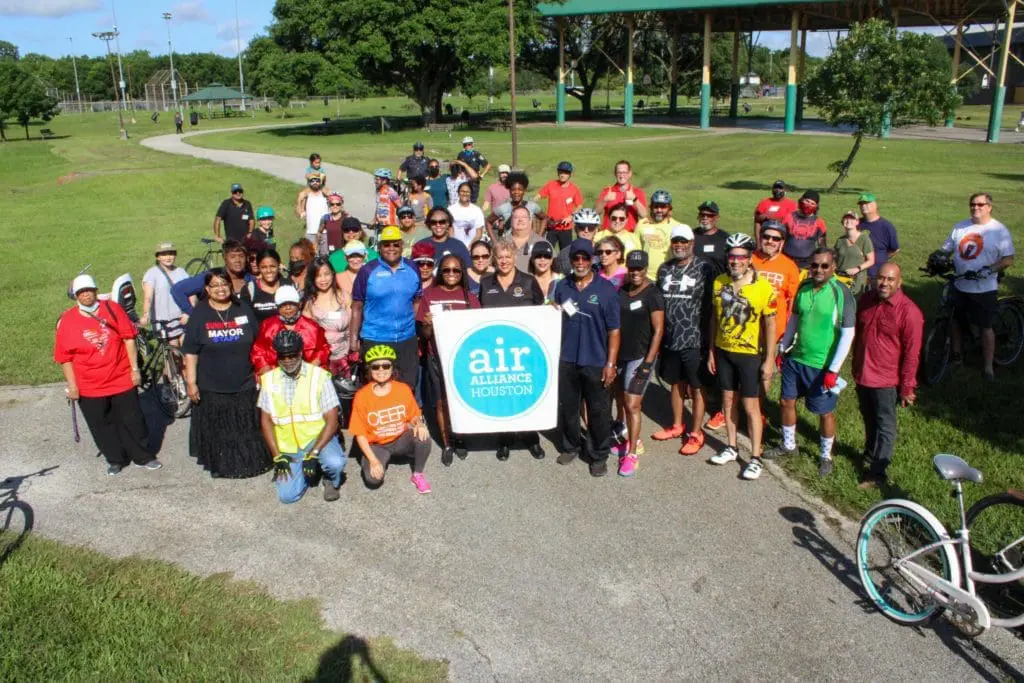
- The Public’s Role. A distinct and incredibly vital role in this struggle belongs to non-governmental organizations and activists. Groups like Air Alliance Houston and One Breath Partnership conduct their research, raise public awareness, lobby for legislative changes, and collaborate with authorities and industry. Active citizen participation, their reports of violations, and presence at public hearings are powerful levers for change.
Continuous Work Towards a Clean Future
The fight for clean air in Houston is, without exaggeration, an ongoing and continuous process. Given the city’s robust industrial capacity and climatic characteristics, completely avoiding pollution is challenging. However, thanks to a clear regulatory framework, the active work of regulatory agencies, industry investments in clean technologies, and most importantly, the engaged public, Houston is making significant strides in improving its ambient air quality. This is a comprehensive effort requiring continuous monitoring, innovation, and a high level of responsibility from all participants. Ensuring a clear sky overhead is a task that unites residents, businesses, and authorities in a shared pursuit of a healthy future.
